Classified Information and Mishandling: What It Is, Why It Matters
TL;DR
- Classified information is government data that requires restricted access to protect national security.
- It includes levels such as Confidential, Secret, and Top Secret based on potential damage from disclosure.
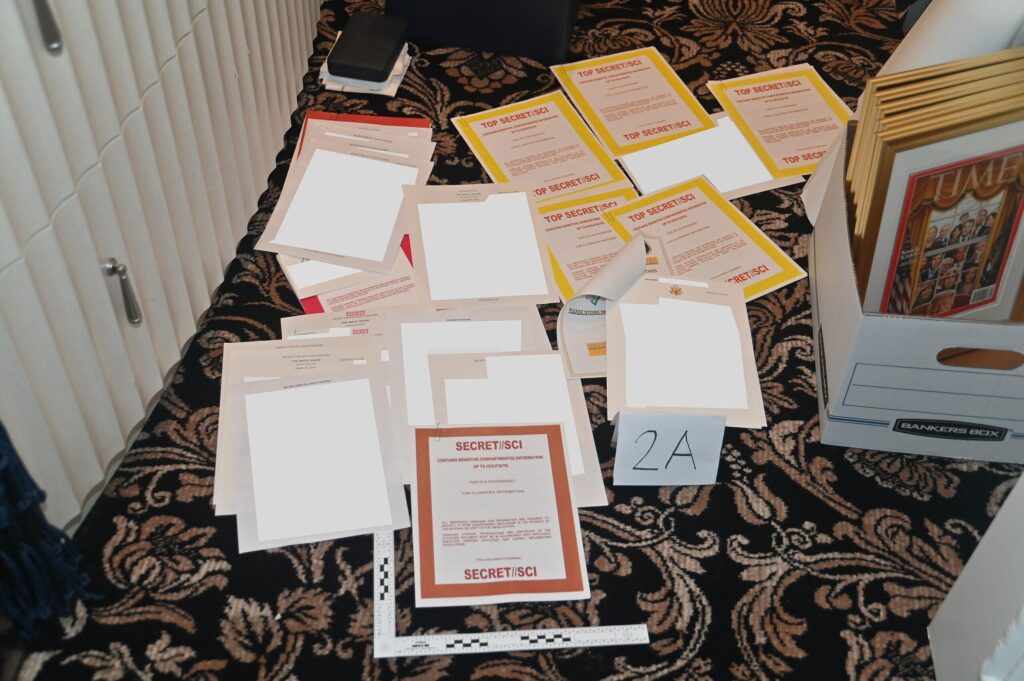
- Mishandling classified information can result in prosecution under laws like the Espionage Act.
- There have been numerous high-profile cases involving unauthorized retention or disclosure.
- The classification system is crucial but faces criticism for overreach and lack of transparency.
What it is
Classified information refers to government-owned or controlled information related to national defense or foreign relations that requires protection from unauthorized disclosure. Classification is applied through a system that includes levels such as Confidential, Secret, and Top Secret, each reflecting the potential damage to national security if the information were exposed.
Why it matters
- National Security: Prevents adversaries from gaining access to sensitive defense and intelligence data.
- Public Trust: Ensures the government handles sensitive information responsibly.
- Legal Implications: Mishandling can lead to criminal charges, fines, or imprisonment.
- Accountability: Maintains checks and balances in handling sensitive government data.
How it works / Key concepts
- Executive Authority: Classification is governed by Executive Orders such as EO 13526.
- Original and Derivative Classification: Agencies can classify information originally or based on existing classified sources.
- Handling Rules: Classified documents must be marked, stored, and transmitted according to strict rules.
- Access Control: Individuals must have a security clearance and a need to know.
- Declassification: Documents may be automatically declassified after 25 years unless exempted.
Examples / Use cases
- Reality Winner: Leaked an NSA report on Russian election interference.
- Harold T. Martin III: Retained terabytes of data from the NSA over years.
- Hillary Clinton: Used a private email server that transmitted information that, at the time of its transmission, included classified content.
Limitations and risks
- Over-classification: Excessive secrecy may hinder transparency and efficiency.
- Inconsistent Enforcement: Different standards for prosecution reduce credibility.
- Whistleblower Risks: Public interest disclosures may conflict with legal boundaries.
FAQ
- Q1: Does “classified” always mean Top Secret?
A: No, classification includes Confidential, Secret, and Top Secret, depending on the level of potential damage. - Q2: Can you be prosecuted for an accident?
A: Prosecution typically requires willful mishandling or gross negligence. - Q3: Who classifies information?
A: Only authorized government officials with original classification authority. - Q4: What happens if someone mishandles classified info?
A: Consequences range from administrative action to criminal prosecution. - Q5: Can classified info ever be released?
A: Yes, through declassification after review or specific authorization.
Sources
- Congressional Research Service, 2023
- History.com, “How Are US Government Documents Classified?“
- Wikipedia, “Classified information in the United States.”
- Brennan Center for Justice, “Classified Information: What You Need to Know“
Learn more with a deep dive into Classified Information and Mishandling Cases.