About The Minuteman
Storylines Beneath the Headlines
Democracy is defended by ordinary people who are ready. Readiness starts with understanding.
The Minuteman consists of three forms of content:
Long-form, narrative, explanatory journalism. (Most of my articles, free for everyone for the first couple months post-publication)
The Loop – a power-risk briefing for professionals who want to understand the trends behind corporate/governmental power before it costs them. (For paid subscribers, exclusively on Substack, we get into the details on how trends will impact your wallet, community, work, and rights)
Podcast episodes where I compile my research, perspective, and open-ended questions about a topic I’ve covered in a previous article to search for a deeper understanding of the issue. (For paid subscribers, exclusive to Substack)
This is not the news.
Power moves in steps, behind the trends and headlines, in the dark. I take my time to research and develop a coherent narrative that any one can understand, no prior knowledge needed.
You shouldn’t need an advanced degree to understand how the world works. You already have a job, you don’t have time to spend hundreds of hours researching. That’s my job. I’ll give it to you in a digestible format that helps you learn while you read so you can take what you’ve learned and, if you want, explain it to the next person.
People do not need another person yelling “this is bad.” They need someone who can say: here is how it works.
The Promise
After you read, you should understand the story well enough to explain it to someone else. Not as a hot take. Not as a partisan script. As a chain of cause and effect.
What changed. Who changed it. Why it matters. What risk is hiding underneath.
Subscribe to understand the storyline behind the headline.
On AI.
I do not use AI to write. I have serious concerns about what happens to the brain when we remove the barriers of discomfort necessitated by the act of critical thinking and writing. Therefore I will never use AI to write.
I have used to use AI to create cover photos for my articles, you can see many examples of this in my previous work. I have since learned that no matter how seemingly benign the task we outsource to AI, the technology is built on a system that harms millions before we get the chance to ask a chatbot a question. I’ve learned that there is no ethical use of Atrificial Intelligence and therefore will no longer use AI for any task including generating cover photos.
I am learning in real time with everyone else about how this technology impacts our lives. The one thing I promise you, the one thing that will never change, is that what you read on here are my own original ideas. This means inevitably I’ll make mistakes because I’m a human being. I promise you no matter how fast AI changes when you come to The Minuteman you can be sure that what you’re reading, the ideas, all came from a human being.
Why “The Minuteman?”
The original Minutemen weren’t soldiers. They were farmers, blacksmiths, printers, neighbors. People with day jobs who agreed to be ready in minutes when democracy needed them. They weren’t waiting for permission. They weren’t waiting for credentials. They were waiting for the moment.
That’s the lineage I want.
Defending democracy today doesn’t look like a musket on a hook by the door. It looks like seeing through a lie meant to manipulate you. Recognizing the hidden structure underneath an overwhelming claim. Understanding why the people in charge benefit when the rest of us fight each other.
The fight is not with our neighbors. That has always been the trick. The headlines move fast, the narratives faster, and most of it is engineered to keep us emotional, confused, and pointed at the wrong people. The Minuteman exists to slow that down. To give readers information they can actually use, with steps they can actually take, and the patience and empathy to walk other people through it too.
Civic-literate, not credentialed. Ready, not expert.
The name sounds conservative.
The right has spent decades trying to claim the Revolutionary period as theirs. Border militias took the name. So did a missile. The founders get quoted to defend the exact concentrations of power they revolted against.
I don’t accept the trade. The Revolution wasn’t about preserving a moment. It was about the right to keep getting better. The whole point of the American experiment was that the people who started it expected us to outgrow them. Reclaiming the Minuteman is reclaiming that expectation. Ordinary people. Ready in minutes. Informed enough to act. Patient enough to bring others with them.
That’s the publication. That’s the name.
“The Loop” is for people who need the deeper story before the cost arrives.
“The Loop,” available to paid subscribers, is written for professionals who need to see the costs coming before they find their way into the budget.
If you work in communications, public affairs, journalism, advocacy, policy, business, media, technology, law, education, finance, or leadership, you already know the problem.
A company says it is innovating. A regulator says it is modernizing. A politician says it is protecting you. A platform says it is improving the experience. A market says the price is natural. A headline says the story is simple.
Then the consequences arrive.
Your job is affected. Your industry shifts. Your clients ask harder questions. Your audience gets more skeptical. Your bills rise. Your rights narrow. Your work becomes dependent on systems nobody fully explained before they became unavoidable.
The Loop is built for the reader who does not want to be surprised by that moment.
Subscribe to understand the risk behind the headline.
I am a journalist and storyteller.
My name is Chris Connors Jr. I came to this work through journalism, theater, and local news.
I have a master’s degree from Syracuse University’s Newhouse School of Public Communications. I founded Morristown Minute, a hyperlocal newsroom that grew into a daily operation reaching tens of thousands of local readers. I am also the #1 Best-Selling Playwright at Off The Wall Plays. My work has been performed across all 50 United States and in more than a dozen countries.
The throughline is simple: find the story people are living inside but cannot quite name, then make it visible.
I am not claiming to be the world’s leading expert in economics, constitutional law, foreign policy, artificial intelligence, or corporate governance. That would be a very efficient way to become unbearable.
What I do is pick a subject that matters, read deeply, follow the evidence, trace the incentives, and write the story in a way a serious reader can actually use.
When I know something, I show my work.
When I do not know something, I say so.
When the evidence complicates my first assumption, I follow the evidence.
That should not be a rare standard. It feels like one anyway.
What this is not.
The Minuteman is not breaking news.
It is not a hot-take machine.
It is not partisan comfort food.
It is not an AI summary of articles someone else already wrote.
And it is not written to make you feel smarter for agreeing with it.
The goal is to help you understand the hidden structure beneath the public story, especially when that structure involves power, money, technology, corporate behavior, political narrative, or institutional risk.
Sometimes the piece starts with a bill. Sometimes with a court case. Sometimes with a missed call, an AI tool, a cloud server, a fruit company, a weapon system, a social media myth, or a number on a chart.
The object changes.
The question stays the same.
What system put this here?
Why subscribe?
Most Minuteman articles are free for the first couple months after publication because the work is meant to be useful.
Paid subscribers support independent journalism that puts explanation over engagement. They also get access to the full archive, the power-risk briefing called The Loop, and the paid podcast, where I extend the same work through deeper conversation and analysis.
If the work helps you see the system behind the headline before it becomes your problem, subscribe.
Subscribe to understand the risk behind the headline.
Where to start
If you are new, start with the pieces that show the shape of the work.
Start with the AI essays if you want to understand how ownership, labor, authorship, and power are being rewritten by tools most workplaces adopted before they understood the rules.
Start with the surveillance and data pieces if you want to understand how private information becomes public enforcement.
Start with the economy pieces if you want to understand why growth can look healthy while ordinary life feels more expensive.
Start with the war and foreign policy pieces if you want to understand how public narratives, weapons, morale, and institutional incentives reshape the meaning of victory.
Start anywhere the headline already bothered you.
The Minuteman will pull the thread backward.
The Death of Authorship — A monkey took a selfie that sparked a copyright fight over who counts as an author. Now AI is raising the same question at a much larger scale: if a machine creates something, who owns it, and who profits from the gap?
How a Surveillance State Gets Built: Palantir, ICE, and Your Private Data — Starts in the life of a person who doesn’t know she’s being watched, then traces the technology and policy that made it possible. You walk away understanding how data collection becomes enforcement.
Why The Economy Feels Broken: It’s Over-Financialized — Over-financialization is the quiet shift that turned the basics of life into tradable “assets,” rewarding extraction over creation and leaving the real economy thinner, pricier, and more fragile. This piece explains how we got here, who benefits, who pays, and what it would take to rebuild an economy that makes things again instead of just making fees.
Who Decides How AI Goes to War — Starts with two AI companies making opposite decisions about the Pentagon in the same week, then traces the real question nobody was asking: who actually has the authority to decide how AI goes to war? You walk away realizing the answer is no one you elected.
Why We Fight. The Middle East Conflict, Explained — Takes a seemingly overwhelming, centuries in the making geopolitical conflict and distills the confusion down to one question: who stays in power because of this? You walk away with a deeper understanding of the conflict, myths about violence spurred by religious fervor squashed, and a nuanced perspective of U.S. military intervention in the region.
How to Win A War – Two nations declared victory in the same war on the same day. The bombs kept falling. The prices kept climbing. And the rest of us are still paying for a win that nobody can find. Something about the way we fight wars broke after 1945, and we never learned the new rules.
The Death of the Price Tag

The Trash Problem
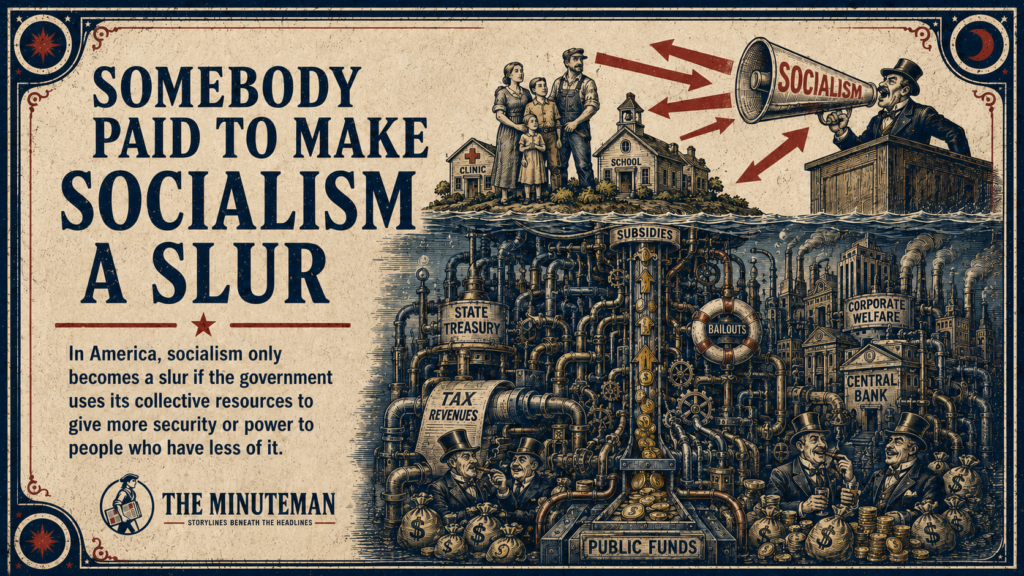
Somebody Paid to Make Socialism a Slur
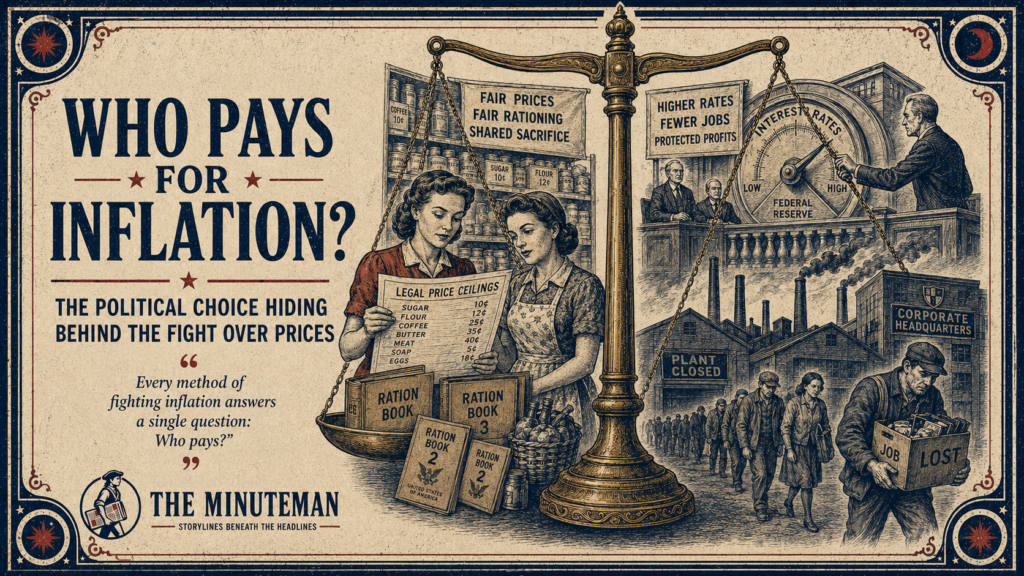
Who Pays to Stop Inflation?
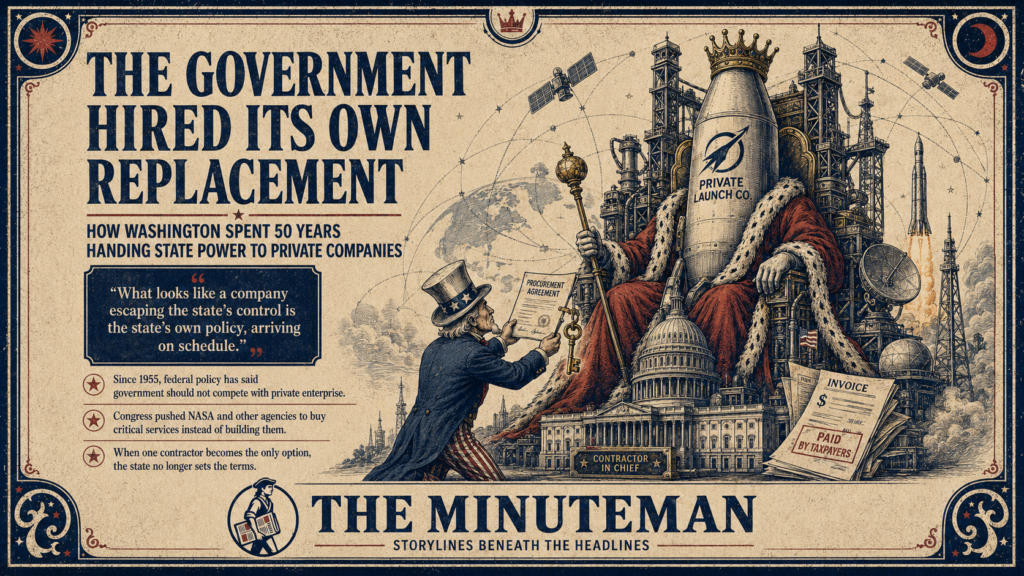
The Government Hired Its Own Replacement
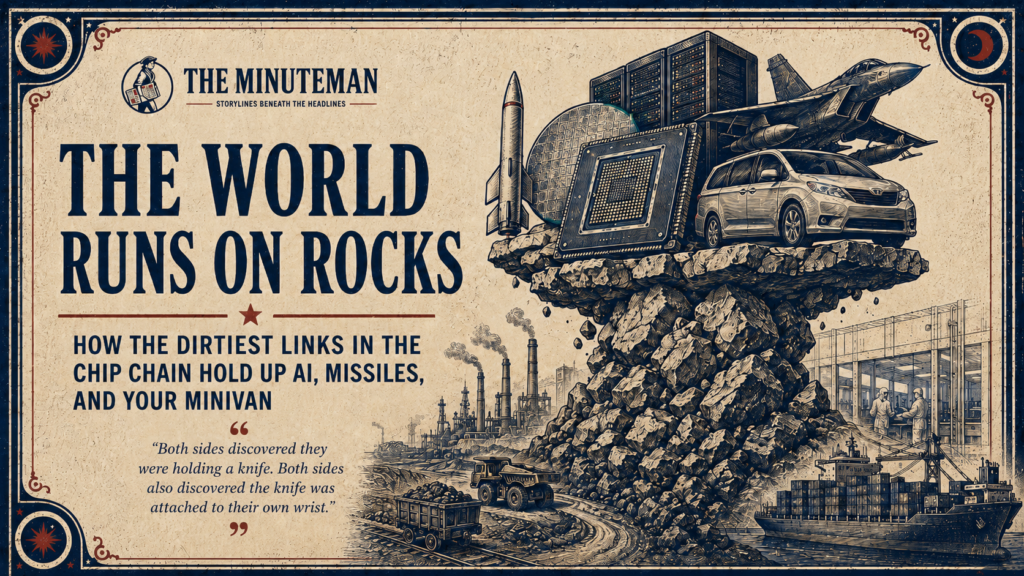
The Whole World Runs on Rocks Nobody Wanted to Mine
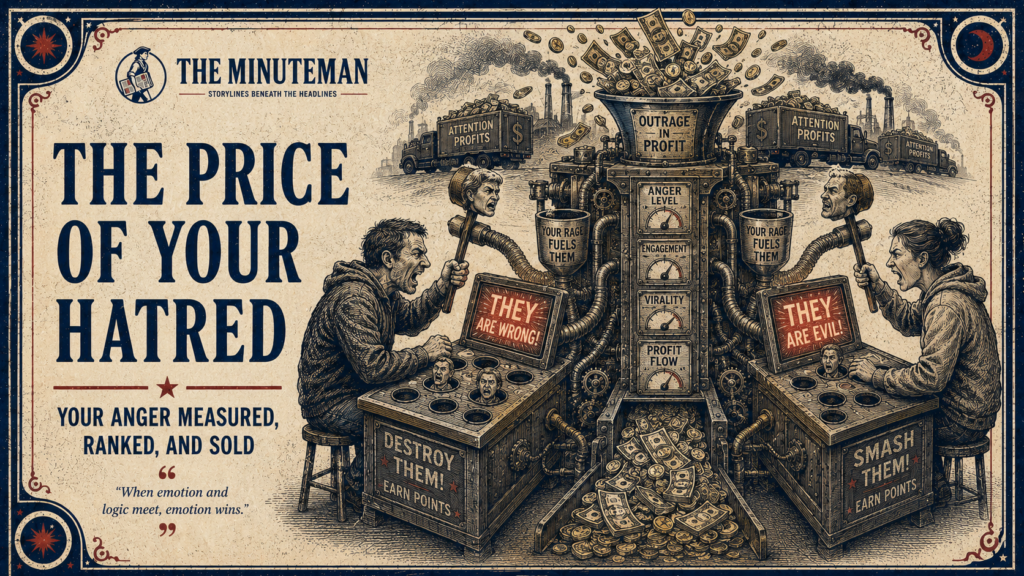
The Price of Your Hatred
The Stock You Never Bought
The Wrong Thief
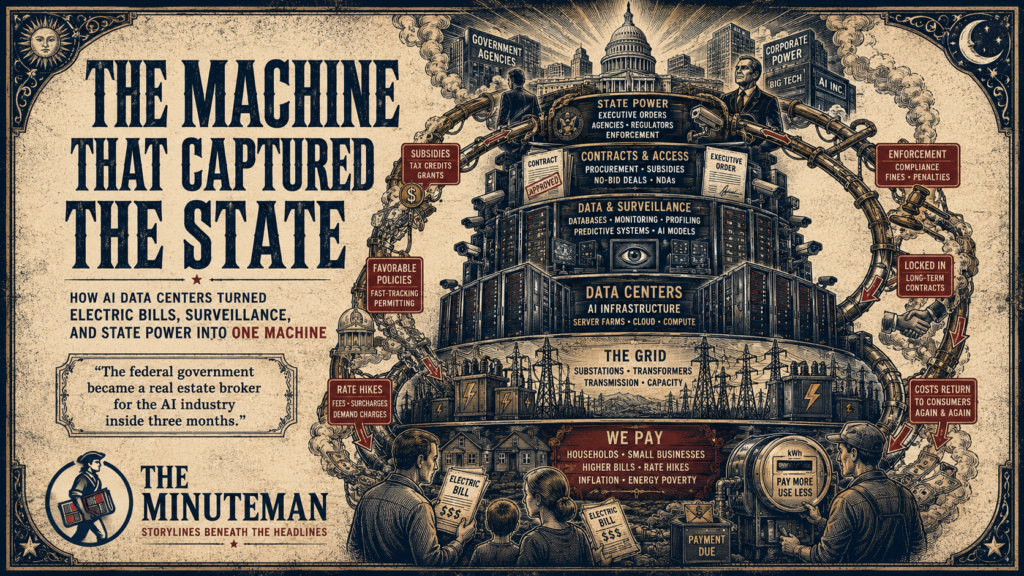
The Machine That Captured the State
How to Win A War
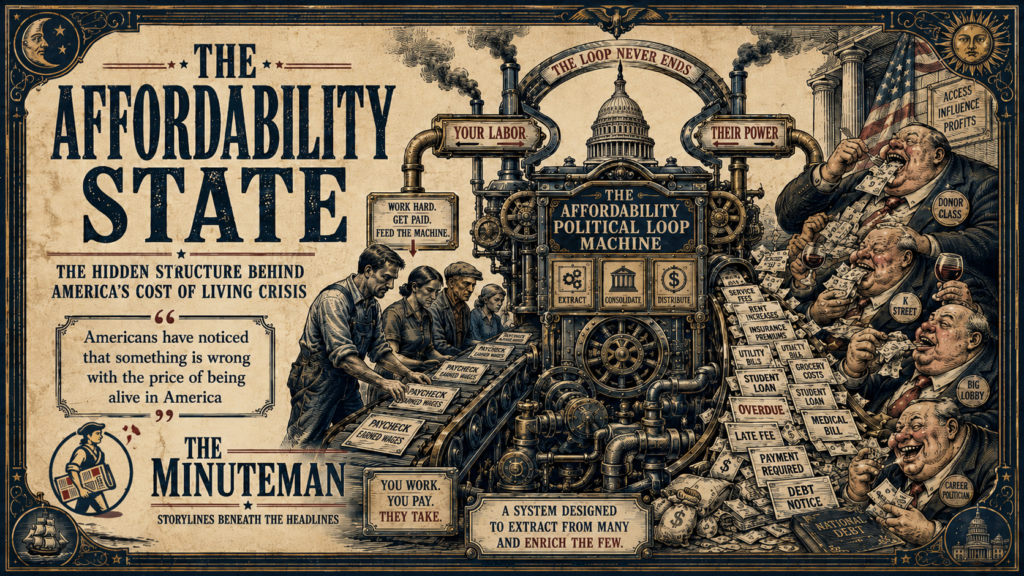
The Price of Being Alive in America
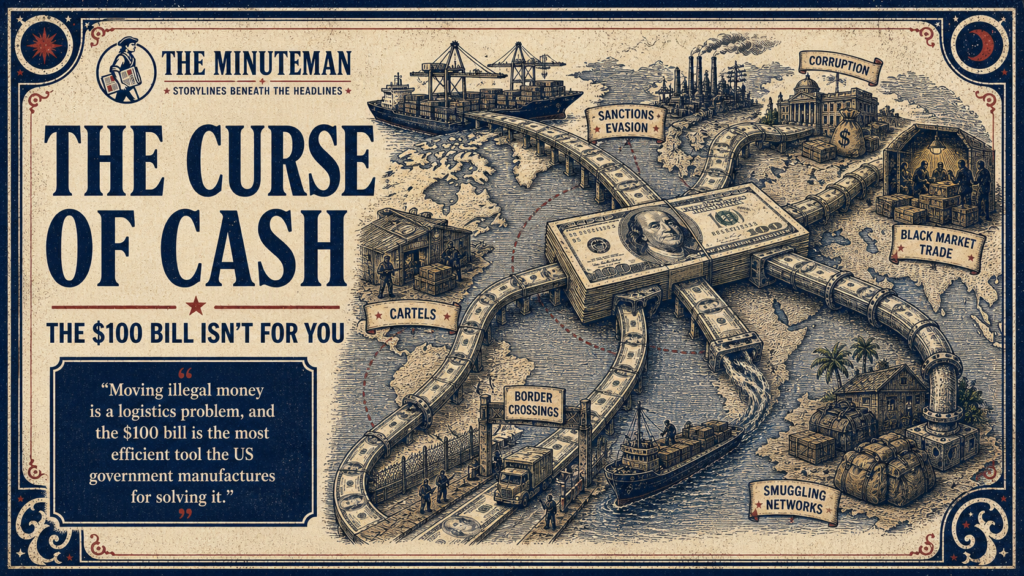
The $100 Bill Isn’t For You
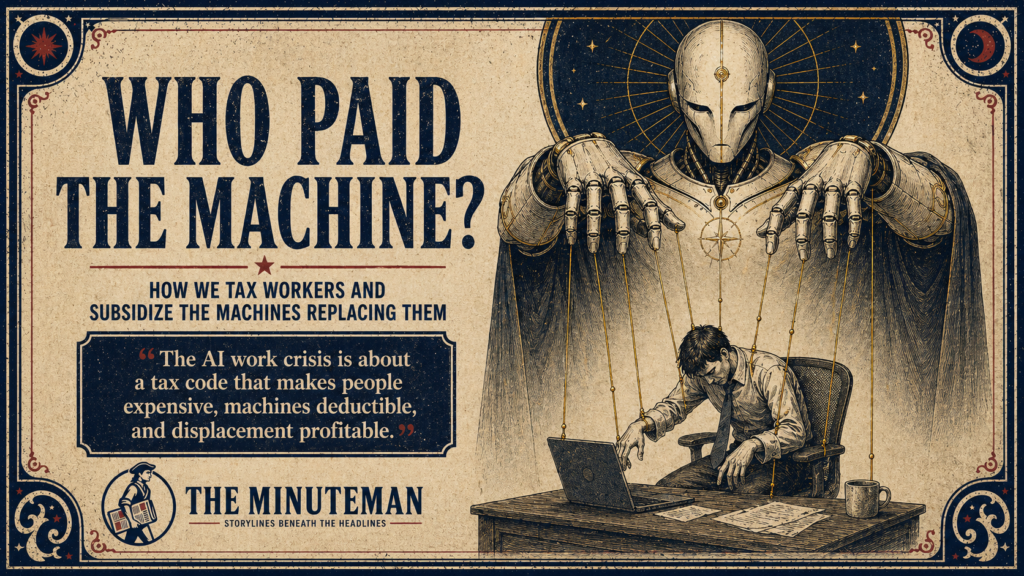
The Machine Isn’t Coming for Your Job. The Business Model Is.
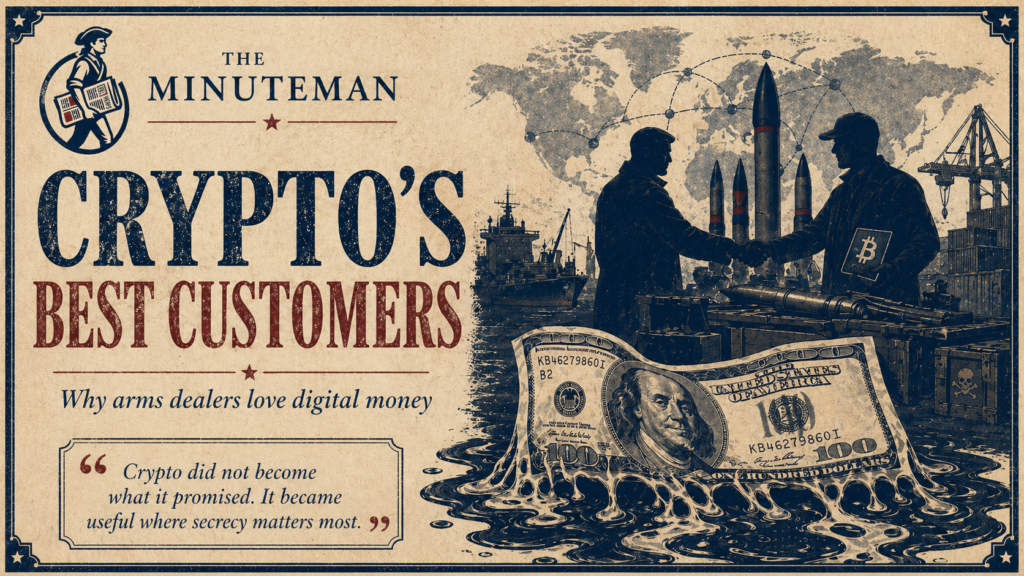
Crypto’s Best Customers Are Arms Dealers, Dictators, and a Sitting President
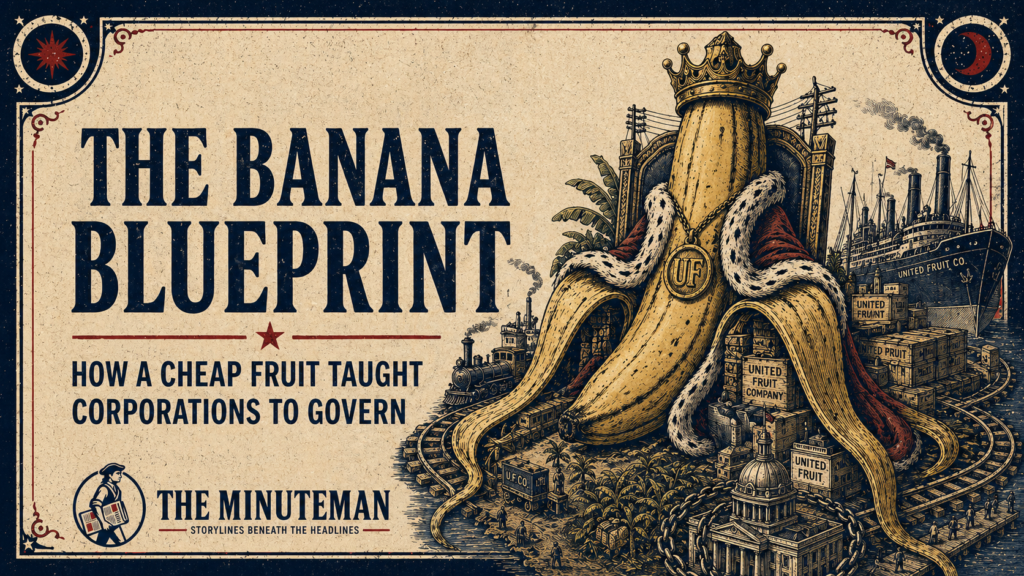
How the Banana Shaped the World
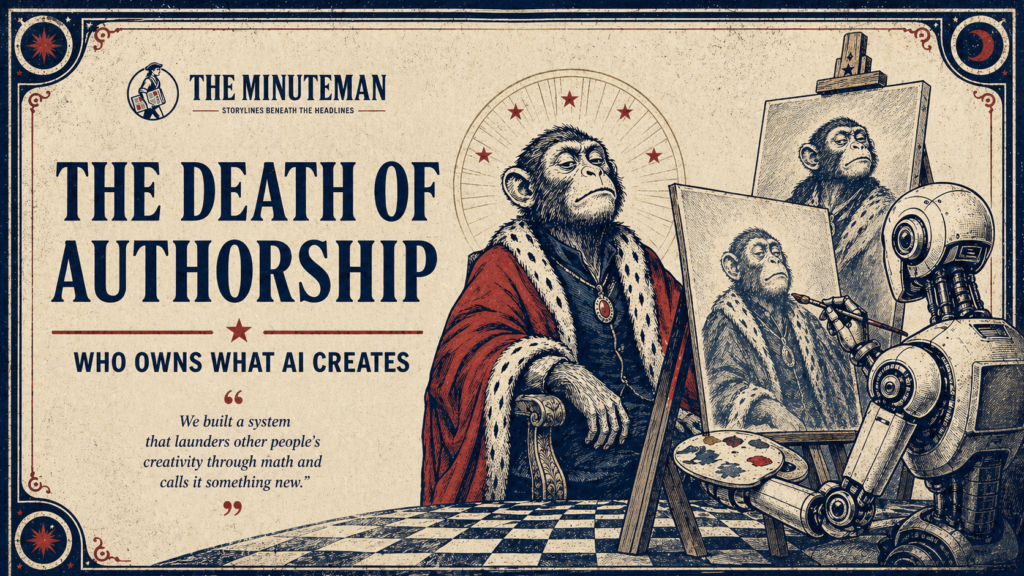
The Death of Authorship
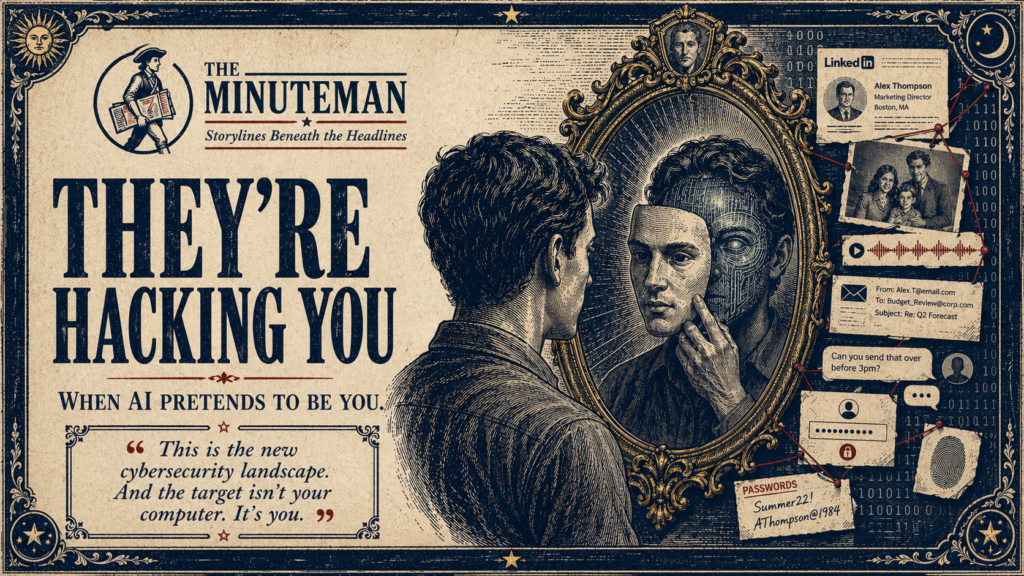
They’re Not Hacking Your Computer. They’re Hacking You.
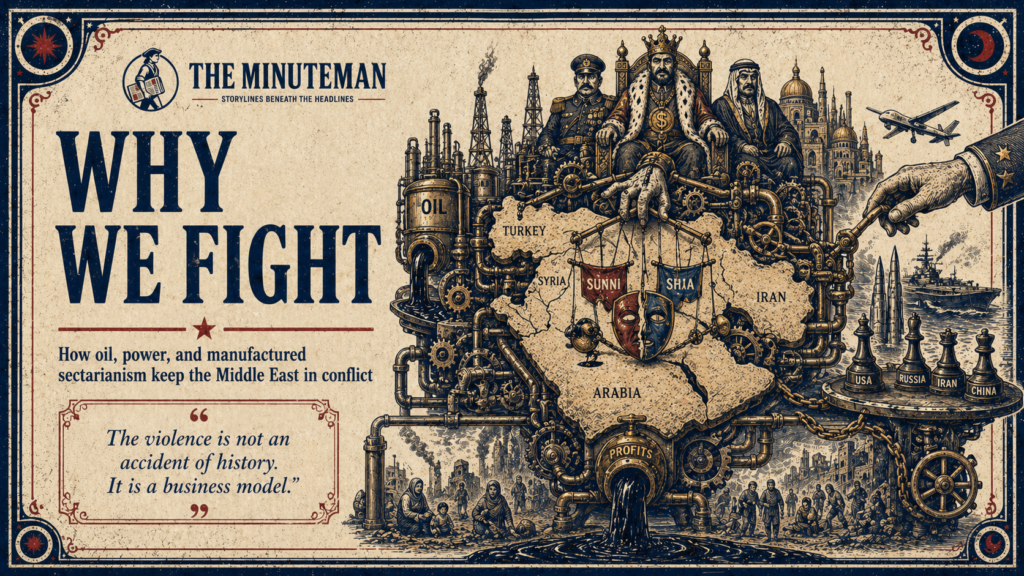
Why We Fight. The Middle East Conflict, Explained
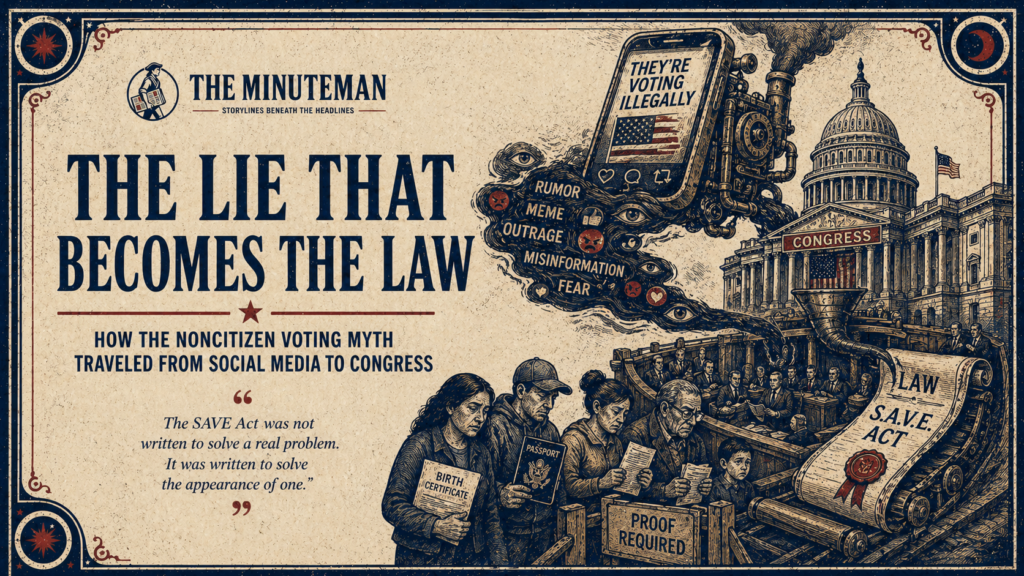
The Lie That Becomes the Law: How the Noncitizen Voting Myth Traveled from Social Media to the Floor of Congress
Morristown Minute: About My Local Roots
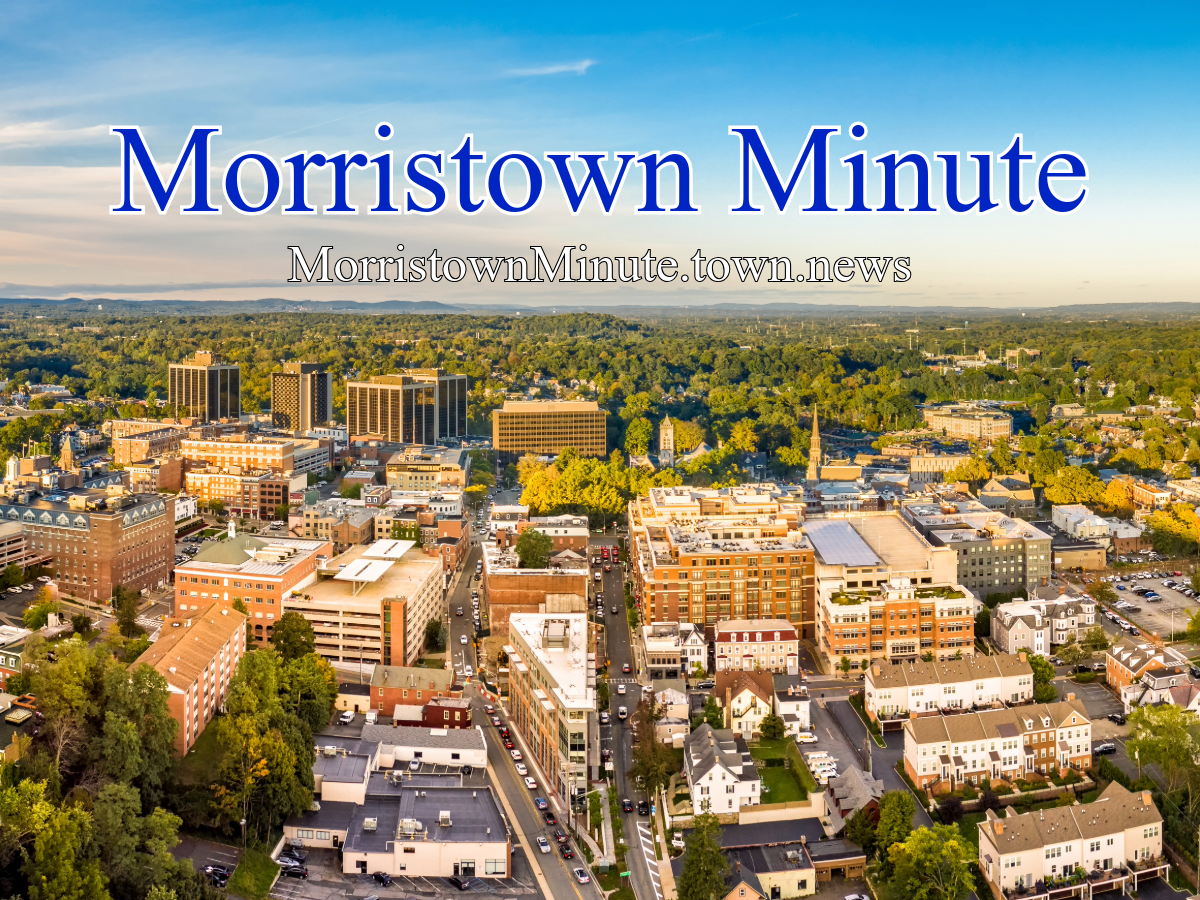
I also founded Morristown Minute, a hyperlocal news outlet based in Morristown, New Jersey. It launched in September 2021, it’s run by local residents and community members, and it now reaches over 20,000 readers daily.
Morristown Minute covers town council meetings, development proposals, school board decisions, infrastructure, and the stories that shape daily life in Morris County. It exists for the same reason The Minuteman does: because informed citizens make better decisions, whether they’re voting for president or showing up to a zoning hearing on a Tuesday night.
The two platforms work hand in hand. The Minuteman covers the national picture. Morristown Minute covers the local one. Same principle, different scale.
Have a topic you’d like explained? Send it my way.