-
-
-
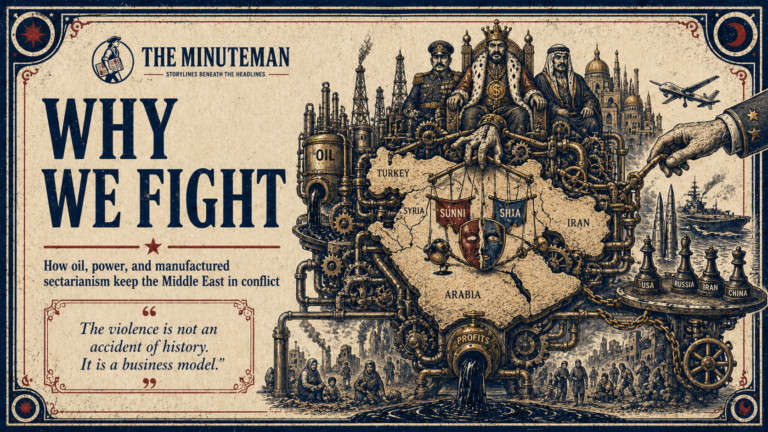
Why We Fight. The Middle East Conflict, Explained
The Middle East’s constant conflict isn’t an unavoidable clash of ancient religions. It’s a deliberate power play by authoritarian leaders who use oil wealth, water scarcity, and religious identity as tools to keep themselves in charge. The violence is not an accident of history. It is a business model.
-
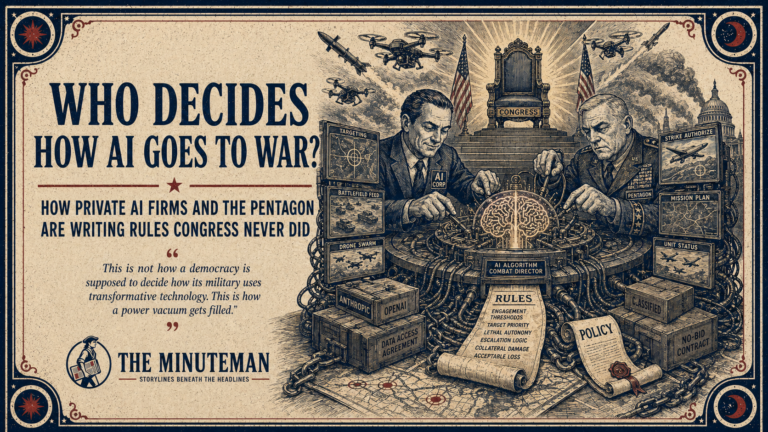
Who Decides How AI Goes to War? Right Now, Nobody You Elected.
On February 27, 2026, the Pentagon blacklisted Anthropic for refusing to give the military unrestricted access to its AI. Hours later, OpenAI signed a deal on nearly identical terms. The media wants you to pick a hero and a villain. But the real story isn’t about which company is right. It’s about why two private companies were negotiating the rules of AI in warfare at all, and where Congress has been while the most powerful technology since nuclear energy gets handed to the most powerful military on earth with no binding laws governing how it’s used.
-
International Women’s Day Began as a Fight for Power. In a Time of War, It Could Be One Again
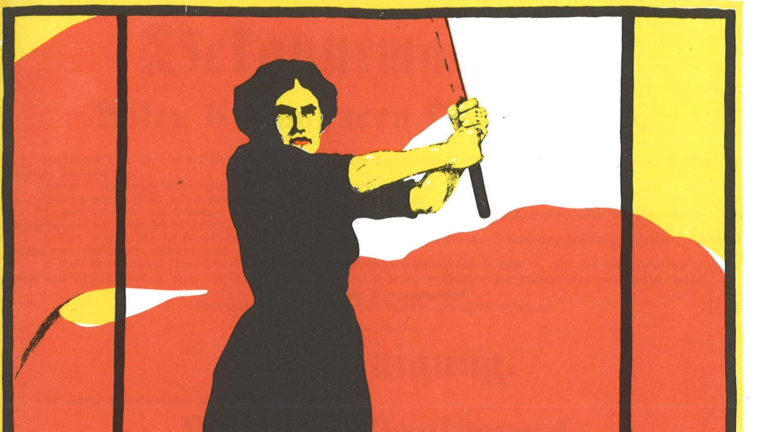
International Women’s Day did not begin as a feel-good celebration. In the United States and abroad, it grew out of labor struggle, demands for political power, and, during World War I, resistance to armed conflict and the systems that fueled it. As conflict again deepens in the Middle East, that history reminds us that celebrating women has often meant also recognizing their role in resisting violence, demanding peace, and challenging the forces shaping the world around them.
-
Who Was Ali Khamenei? How Iran’s Supreme Leader Built 37 Years of Absolute Power
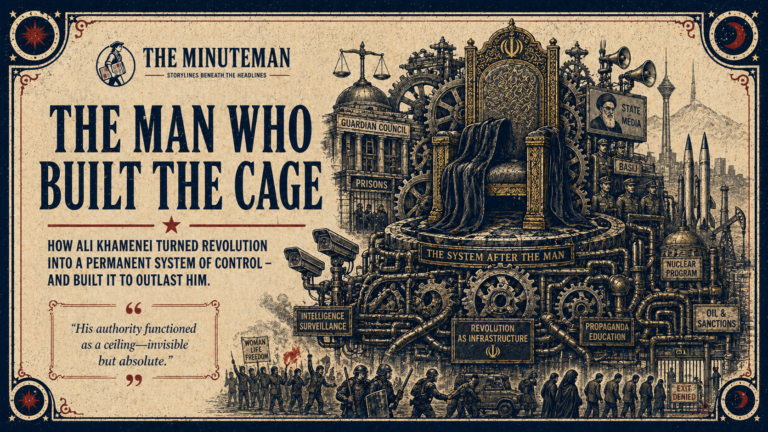
For thirty-seven years, Ayatollah Ali Khamenei held absolute power over Iran — above its presidents, beyond its courts, untouched by the protests that shook his country again and again. He wasn’t a crude dictator. He was something more durable: a man who used the architecture of a republic as a filtering system to make sure real power never moved. On February 28, 2026, US-Israeli airstrikes killed him. But the machine he built is still running. This is the story of how he came to power, how he kept it, and what Iran faces now.
-
Trump’s “Board of Peace,” Explained
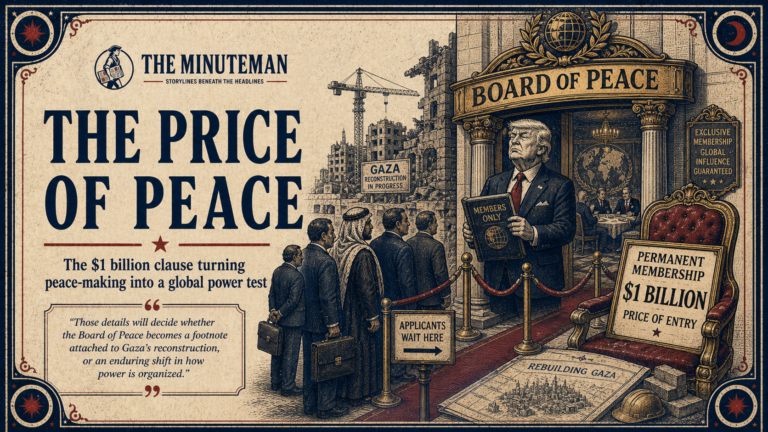
Trump’s proposed “Board of Peace,” first pitched as an oversight body for a Gaza ceasefire and reconstruction, is now being sold as something bigger: a standing forum that could arbitrate other global conflicts. The moment that reshaped the debate is a draft charter clause reported by major outlets, offering three-year terms for member states unless they pay $1 billion for permanent membership. Supporters call it a pragmatic way to fund and enforce fragile deals. Critics see a pay-to-join power structure that could sidestep UN norms and concentrate authority at the top.
-
-
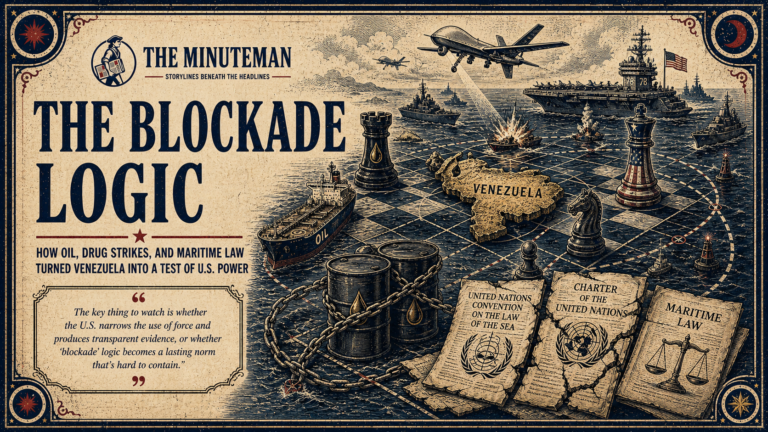
U.S.–Venezuela, Explained: A Dangerous Showdown Over Oil, Strikes, and the Law
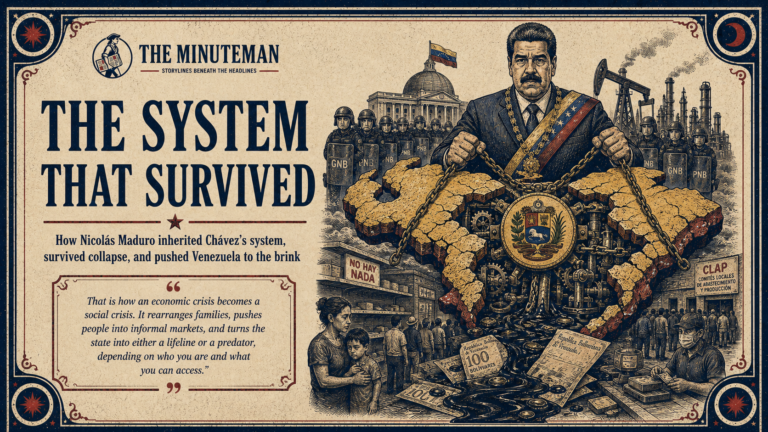
In late 2025, Venezuela is colliding with the United States in a confrontation that’s no longer just about sanctions and speeches—but oil tankers, lethal strikes, and accusations of “piracy” and unlawful killings. Here’s the full picture of how we got here, what the law actually says, and why the ripple effects could reach Americans through gas prices, migration pressure, and a dangerous new precedent at sea.
-
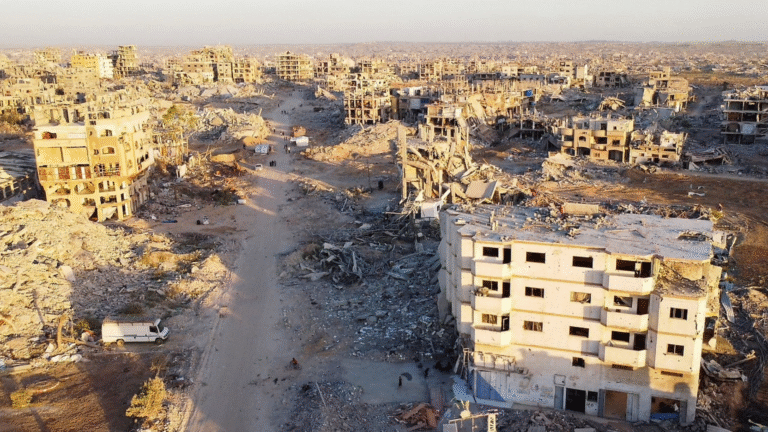
Israel-Hamas Ceasefire & the 20-Point Peace Plan
Israel and Hamas are living in a ceasefire that looks nothing like peace. One month after President Trump declared the war “over,” Gaza is still being hit by airstrikes, Israeli troops are digging in deeper, and the ambitious 20-point plan meant to reshape the territory has stalled at its very first step. Half of Gaza is now under Israeli military control, the other half is ruled by Hamas, and two million Palestinians remain trapped in a landscape of rubble, hunger, and uncertainty as winter approaches. What began as a pledge to usher in a “new era of peace” has instead exposed how fragile the agreement is—and how far the region still is from a real resolution.
-
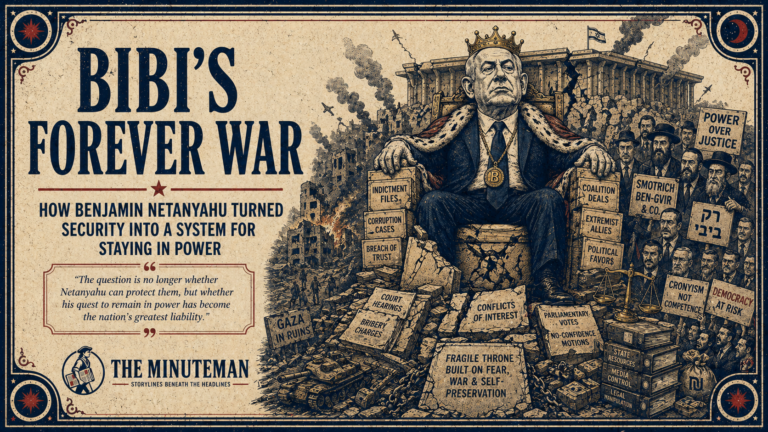
Benjamin Netanyahu: Israel’s Longest-Serving Prime Minister and the Cost of His Power
Benjamin Netanyahu has ruled Israel longer than anyone in its history — but his relentless grip on power has come at a staggering cost. From corruption scandals and alliances with extremists to the devastating Gaza war that’s left tens of thousands dead, this in-depth report traces how one man’s pursuit of survival has reshaped Israel’s democracy, its global standing, and the future of the Middle East.