
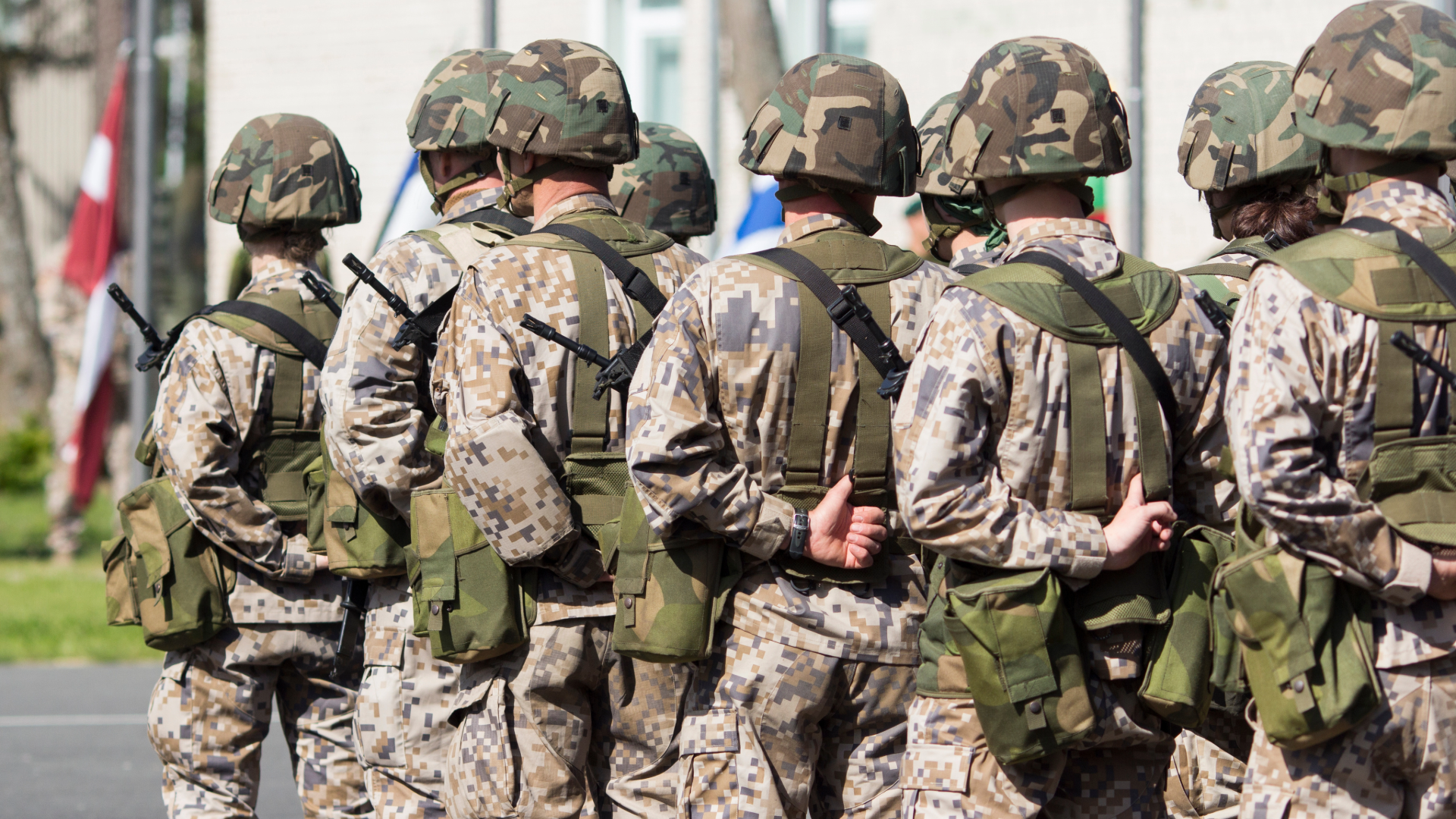
History of the U.S. National Guard (1636–Present)
For nearly four centuries, the National Guard has stood at the intersection of state authority, federal power, and citizen service—evolving from colonial militias into one of the most versatile components of the U.S. military. Its history traces a continuous thread through America’s wars, domestic crises, political conflicts, and natural disasters. From its early role defending fledgling settlements to its modern missions in global combat zones, public health emergencies, border operations, and nationwide civil unrest, the Guard’s dual state-federal identity has shaped both its responsibilities and the debates surrounding its use. The timeline below follows that evolution, highlighting the key moments that transformed the National Guard into the force it is today.
Timeline: Key Moments in National Guard History
- 1636: The Massachusetts Bay Colony organizes three militia regiments to protect the colony — widely recognized as the origin of the National Guard.
- 1792: Congress passes the Militia Acts, establishing the legal framework for state militias and allowing federal activation in certain emergencies.
- 1861–1865: During the Civil War, state militias, including Guard predecessors, are called into federal service to support the Union and Confederate armies.
- 1903: The Militia Act (Dick Act) of 1903 formalizes the modern National Guard as the organized militia component and sets training/funding standards.
- 1916: The National Defense Act strengthens federal control and officially names the “National Guard” as the primary reserve for the U.S. Army. Requires more training and readiness.

- 1917–1918: Over 300,000 National Guard soldiers served in World War I after being federalized. Many Guard divisions form the backbone of the American Expeditionary Forces.
- 1933: Congress amends the National Defense Act to create dual status for Guardsmen: simultaneously members of both their state militia and the “National Guard of the United States.” This resolves constitutional tensions.
- 1940–1945: Guard units are mobilized for World War II. About 19 Guard divisions deploy overseas, making up 40% of the U.S. Army’s combat strength early in the war.
- 1950–1953: During the Korean War, multiple Guard units were federalized and deployed to the conflict.
- 1960s: Guard units support domestic civil rights enforcement and respond to riots. Guardsmen are deployed during unrest in cities such as Detroit and Los Angeles.
- 1989: Operation Just Cause in Panama includes National Guard participation. Guardsmen also respond to domestic hurricanes and emergencies throughout the decade.
- 1990–1991: Operation Desert Storm saw over 60,000 Guard members deployed to the Persian Gulf, continuing a major operational role in overseas conflicts.
- 2001–2021: Following 9/11, Guard units are heavily deployed both at home and abroad. Homeland security missions under Title 32 increase; overseas combat tours in Iraq and Afghanistan become routine.
- 2005: More than 50,000 Guard troops respond to Hurricanes Katrina and Rita. This becomes the largest domestic deployment in Guard history at the time.
- 2008: The Dual-Status Commander concept is formalized to allow joint state-federal control during complex emergencies.
- 2020: During the COVID-19 pandemic, over 47,000 Guard members assisted with testing, logistics, and public health responses under Title 32 status.
- 2020–2021: In response to widespread protests and unrest, National Guard troops are deployed in cities like Minneapolis, Washington, D.C., and Portland. Both state-controlled and Title 32 Guardsmen assist with crowd control and infrastructure protection.
- 2021: More than 25,000 National Guard members are deployed to Washington, D.C., to provide security for the presidential inauguration following the January 6 Capitol riot.
- 2022–2023: Guard units continue to serve in disaster relief (wildfires, hurricanes), border missions, international training, and overseas rotations while preparing for future multi-domain operations.
- 2024–Today: In June 2025, the President authorized National Guard troops to Los Angeles under federal command to assist ICE enforcement during protests, triggering legal challenges from California’s governor. Later in August 2025, over 2,000 Guardsmen were deployed to Washington, D.C. under a declared crime emergency. Additional deployments to Memphis and court fights over Chicago followed in the autumn.
Sources
- National Guard Bureau
- History.com – “What Are the Origins of the US National Guard?“
- Wikipedia – “National Guard (United States)“
- CNN – “The National Guard has a long history of being called out during protests – but not in numbers like this.“




Thanks for finally writing about > History of the U.S.
National Guard (1636–Present) – The Minuteman < Liked it!