
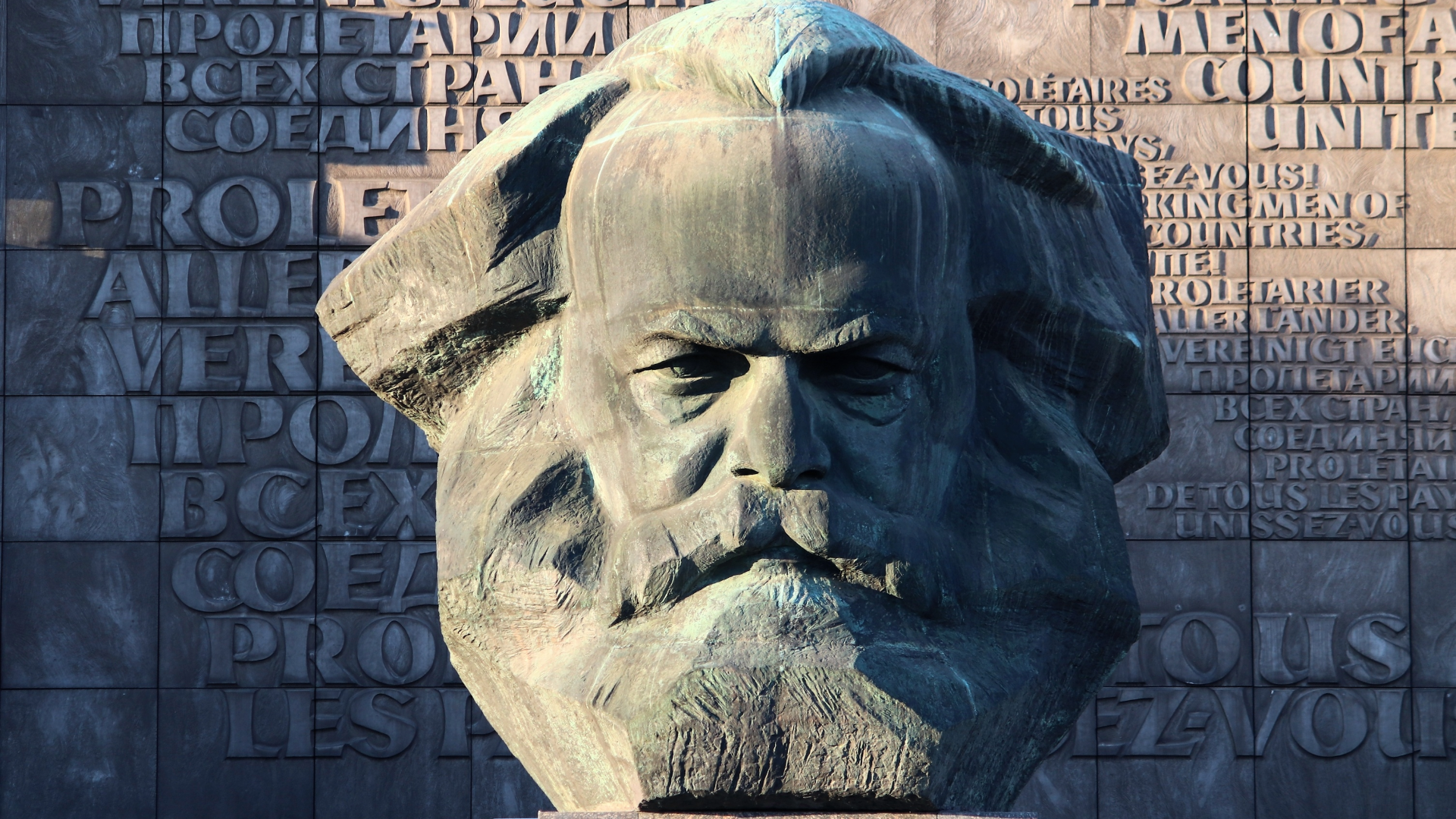
Socialism
Socialism is a political and economic theory advocating for collective or governmental ownership of the means of production, distribution, and exchange. It emerged as a reaction to capitalism during the Industrial Revolution, with proponents aiming for a fairer society by having the government or workers control industry to create a more comfortable life for everyone. There are many variations, from revolutionary approaches that call for overthrowing capitalism to evolutionary methods that seek to achieve socialist goals through a parliamentary system.
Core principles
- Collective ownership: A central tenet is the idea that the resources and industries used to produce and distribute goods should be owned and controlled by the community as a whole, either through the government or through worker cooperatives.
- Equality: Socialists often aim to reduce or eliminate class distinctions and inequality, with some theories emphasizing fairness and meeting everyone’s basic needs.
- Regulation: A key function of socialism is the government’s role in regulating and controlling the economy to ensure more equitable distribution of wealth and resources.
Types of socialism
- Revolutionary socialism: This approach advocates for a complete overthrow of the capitalist system to establish a new economic order.
- Evolutionary socialism: This view suggests that socialist goals can be achieved gradually through the existing parliamentary system.
- Democratic socialism: This form of socialism involves factors of production being managed by an elected government.
- Libertarian socialism: Also known as anarcho-socialism, this theory proposes a stateless, classless society organized through voluntary, mutual aid and worker self-management.
- Market socialism: This is a system that uses market-based economic mechanisms to organize socialist economies.
Socialism vs. communism
- While often used interchangeably, the terms have distinct meanings. Some socialists, like Karl Marx, believed that an extreme socialist system, known as communism, would eventually emerge.
- A key difference is that communism, in its theoretical form, advocates for the complete abolition of private property and a stateless society, while socialism can exist with various degrees of government or collective ownership.
Criticisms
- A primary criticism is that socialism can reduce the incentive to work hard, as there is no direct reward for a job well done, which could lead to economic stagnation.
- Some argue that it suppresses individual freedoms and can lead to an inefficient, overly centralized government control of the economy.