-
-
How a Surveillance State Gets Built: Palantir, ICE, and Your Private Data
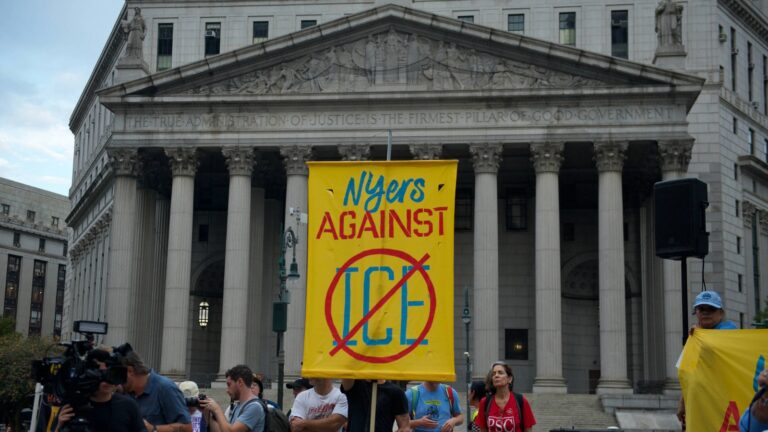
Your private data was never meant to become a map to your front door, but that’s what happens when government power meets private-corporation tooling built for speed and scale. Palantir helps ICE stitch together ordinary records, turn them into searchable profiles, and move those profiles through workflows that end in targeting and arrests, often far beyond the “worst of the worst” story the public gets sold. This is how a surveillance state gets built: not with one dramatic law, but with quiet integrations, automated triage, and systems that make the next knock easier than the last. The question isn’t whether the technology is impressive, it’s what it makes possible.
-
Sanctuary Cities, Federal Power, and the Real Fight Behind the “Ban”
Sanctuary city policies are often framed as politics, but they are really a bet on public safety. Research generally finds these policies do not increase crime, and in some cases reduce it. But Washington keeps coming back to the same pressure points, grants, lawsuits, and threats of withheld funding, and the same constitutional question: how far can the federal government go to compel local cooperation before courts say it has crossed the line?
-
Why We Should Abolish ICE: When “Protection” Turns Into Detention, Violence, and Fear
In Minneapolis, a woman sat in her car and ended up dead after an encounter with an ICE officer. In a different set of cases, U.S. citizens were hauled into detention anyway, kicked, dragged, held for hours or days, and told, in effect, to prove they belonged here. These are not freak incidents. They are the predictable outputs of an agency built for interior enforcement, where speed beats certainty and accountability can hinge on whether federal officials choose to open the file. That is why the argument to Abolish ICE is no longer theoretical. It is about what happens when “protection” becomes a system that can seize the wrong person, escalate the moment, and then ask the public to trust a process it cannot audit.
-
Noncitizen Voting: Two Votes in New Jersey, and the Myth of a Stolen Election
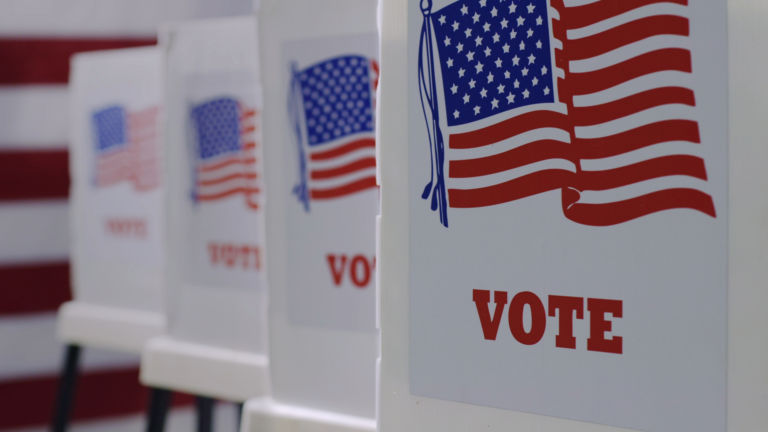
Two Bergen County ballots. That’s what federal prosecutors say this case comes down to: two men accused of casting votes in the 2020 election while not U.S. citizens, then later denying it all. The allegations are serious, and the potential prison time is real. But in a country that counted more than 150 million presidential votes, cases like this are how a sliver of reality gives oxygen to the myth that 2020 was stolen.
-
ICE and the Immigration Equation: How Targeted Priorities Can Restore Trust—and Strengthen a Country Built by Newcomers
The immigration system is strained—and how ICE enforces the rules can either build trust or deepen fear. Immigration can still be one of America’s biggest long-term advantages, but only if enforcement supports a credible, fair process. So what should ICE do to protect public safety and system integrity without undermining that advantage?
-
U.S.–Venezuela, Explained: A Dangerous Showdown Over Oil, Strikes, and the Law
In late 2025, Venezuela is colliding with the United States in a confrontation that’s no longer just about sanctions and speeches—but oil tankers, lethal strikes, and accusations of “piracy” and unlawful killings. Here’s the full picture of how we got here, what the law actually says, and why the ripple effects could reach Americans through gas prices, migration pressure, and a dangerous new precedent at sea.