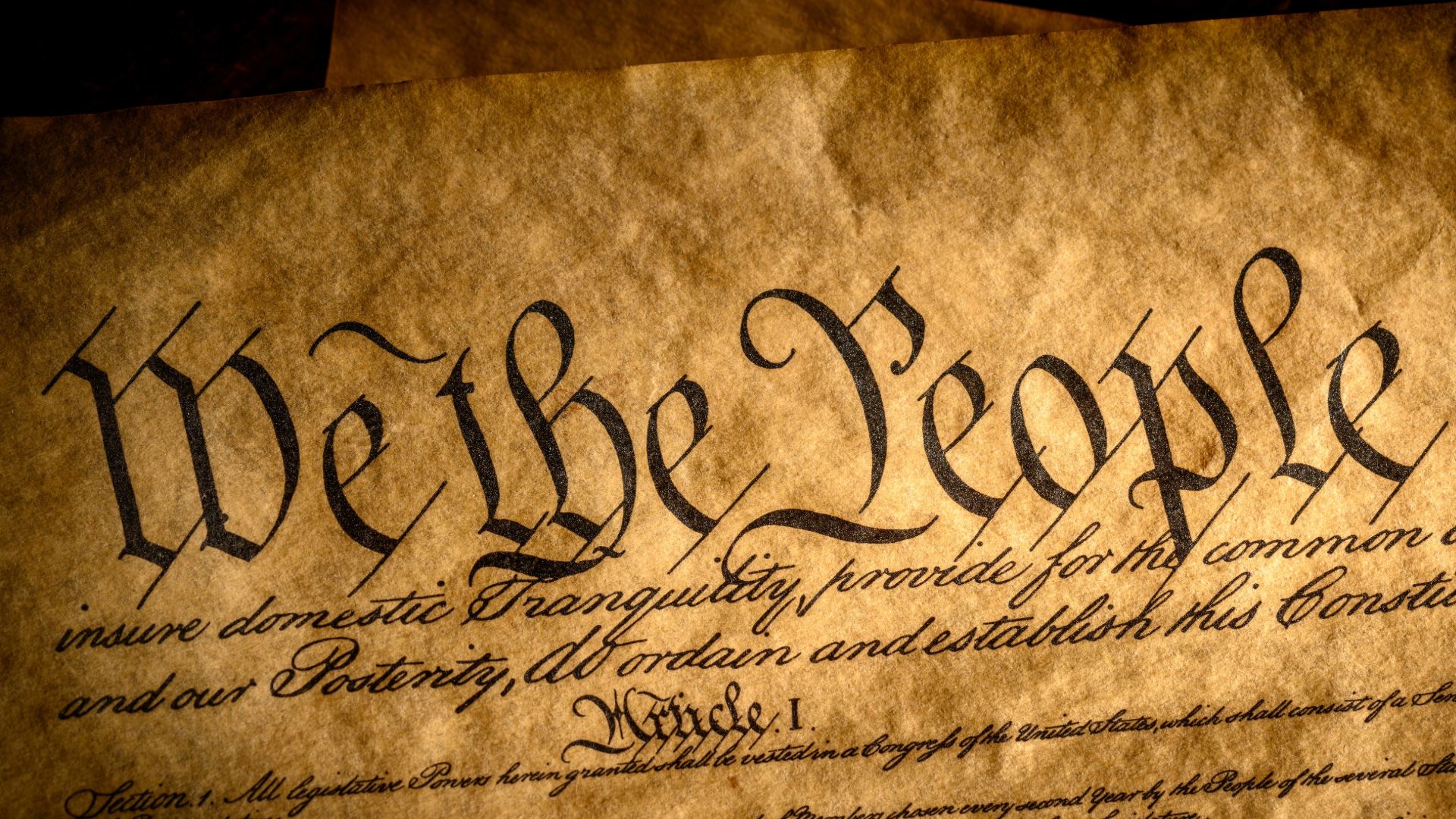
Citizen “We”: The Hidden Infrastructure of Democracy
Why the groups you join, not the candidates you vote for, are often the first line of defense against tyranny
On March 27, 2025, President Donald Trump signed an executive order ending collective bargaining for federal unions across large swaths of the government, including agencies tied to national security. A few months later, federal courts and federal unions were still fighting over whether the move was lawful, and whether it was, as labor leaders argued, retaliation dressed up as security.
If your day-to-day life is not inside the federal government, those headlines can feel distant. But they point to something bigger than labor policy. They point to a pressure test of civil society itself.
That is where your democracy actually lives.
Not only in Congress. Not only in courts. Not only in elections.
It lives in the “Citizen We.”
What “Citizen We” means
Citizen “We” is the part of a country that is neither the state nor a political party. It is the layer of shared life where people learn cooperation, practice disagreement without violence, build trust across differences, and develop the muscle memory of self-government.
It includes:
- Unions and professional associations
- Volunteer groups and mutual aid networks
- Local sports clubs, youth leagues, and booster organizations
- Faith communities, civic clubs, PTA groups, neighborhood associations
- Nonprofits that deliver services, organize communities, or advocate for causes

These groups are not “politics” in the narrow sense. But they are political in the deepest sense: they teach citizens how to act together, outside the permission structure of the state.
Alexis de Tocqueville noticed this early, writing that Americans constantly form associations of every kind, from serious to trivial, enormous to tiny. That habit, he argued, was not a hobby. It was a democratic survival trait.
A century and a half later, Robert Putnam warned that when those memberships collapse, the country loses “social capital,” the trust and relationships that make institutions work and make democracy feel worth defending.
So Citizen “We” is not soft civic frosting. It is load-bearing.
Why tyrannies go after Citizen “We” first
Authoritarian systems can tolerate opposition parties for a while, especially if elections are symbolic, fragmented, or manipulable. What they cannot tolerate for long is independent organization.
Because independent organizations create three things tyrants fear:
- Horizontal loyalty: people loyal to each other, not just upward to a leader
- Coordination capacity: the ability to mobilize quickly, fundraise, communicate, strike, sue, protest, or simply resist
- Alternative legitimacy: trusted institutions that compete with state messaging
That is why, historically, the earliest moves are often aimed at “coordination,” “registration,” “security,” “anti-terror,” “anti-corruption,” or “transparency.” The public rationale sounds reasonable. The effect is to make independent association expensive, risky, and fragile.
Germany, 1933: “coordination” as a takeover strategy
After Hitler became chancellor, the Nazi project of Gleichschaltung sought to “coordinate” society’s institutions with the state, not only political bodies but social and cultural ones too.
Trade unions were an obvious target because they could organize mass resistance. On May 2, 1933, independent union headquarters were seized across Germany, funds confiscated, leaders arrested, and unions abolished. They were replaced by a Nazi-controlled labor organization that eliminated strikes and collective bargaining.
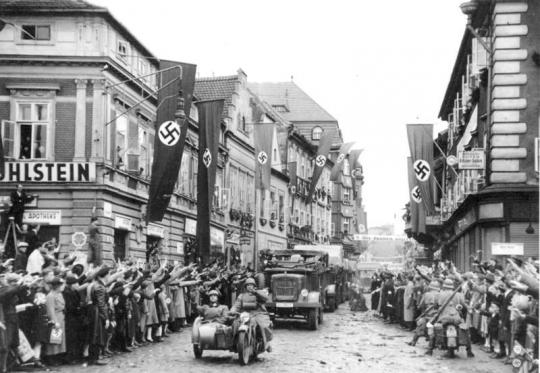
This is a recurring authoritarian move: don’t merely ban a group. Replace it with a state-aligned imitation so public life continues, but only in approved forms.
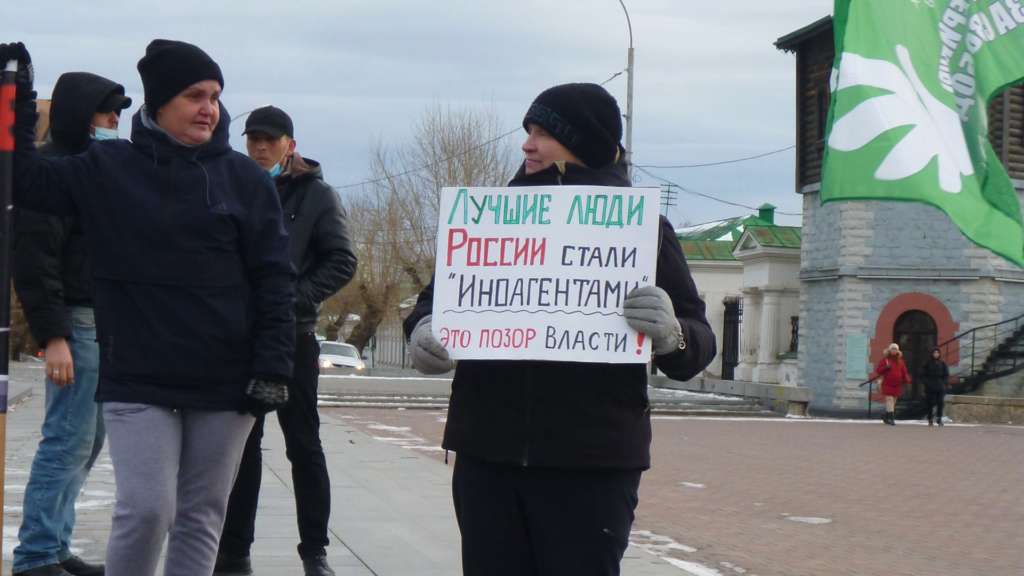
Russia: “foreign agents” as stigma and strangulation
Russia’s “foreign agents” framework is widely criticized for stigmatizing NGOs, creating legal peril, and shrinking the space for civic organizing. Researchers and rights organizations describe how these labels chill participation and isolate groups from broader networks that make civil society resilient.
Hungary: “transparency” laws that function as intimidation
Hungary’s 2017 law on foreign-funded civil organizations was presented as transparency. In 2020, the EU’s top court ruled the law violated EU protections, including freedom of association. Even when such laws are later amended, the threat effect can linger: groups spend resources on compliance and self-censorship, and donors become wary.
Across these cases, the mechanism is the same: make it harder to gather, fund, recruit, and speak. The state does not need to outlaw every club. It just needs to make participation feel dangerous or pointless.
Bringing it home: Citizen “We” under the Trump Administration
The United States is not Nazi Germany, and it is not Russia. Its constitutional structure, federalism, courts, and civil society are stronger than many democracies that slid into authoritarianism.
But the pattern worth watching is not identical outcomes. It is direction of travel and pressure points.
In 2025 and 2026, several Trump Administration actions have placed new stress on exactly the kinds of institutions that make up Citizen “We.”

1) Weakening unions inside government
The March 27, 2025, executive order ending collective bargaining rights for large categories of federal workers was one of the clearest examples, because it targeted a core democratic institution: organized labor.
Federal courts temporarily blocked parts of the order after unions argued it violated labor rights and was retaliatory.
Even beyond that specific order, Reuters has reported that the National Labor Relations Board is poised for major shifts with a new Trump-appointed majority, with potential rollbacks of pro-union decisions and questions about independence following Trump’s actions toward the agency.
Supporters of these moves argue they protect national security and improve government efficiency. Critics argue they reduce worker power, deter whistleblowing, and make it easier for the executive branch to centralize control inside the bureaucracy.
Either way, the democratic consequence is real: when unions weaken, a major pillar of Citizen “We” weakens with them.
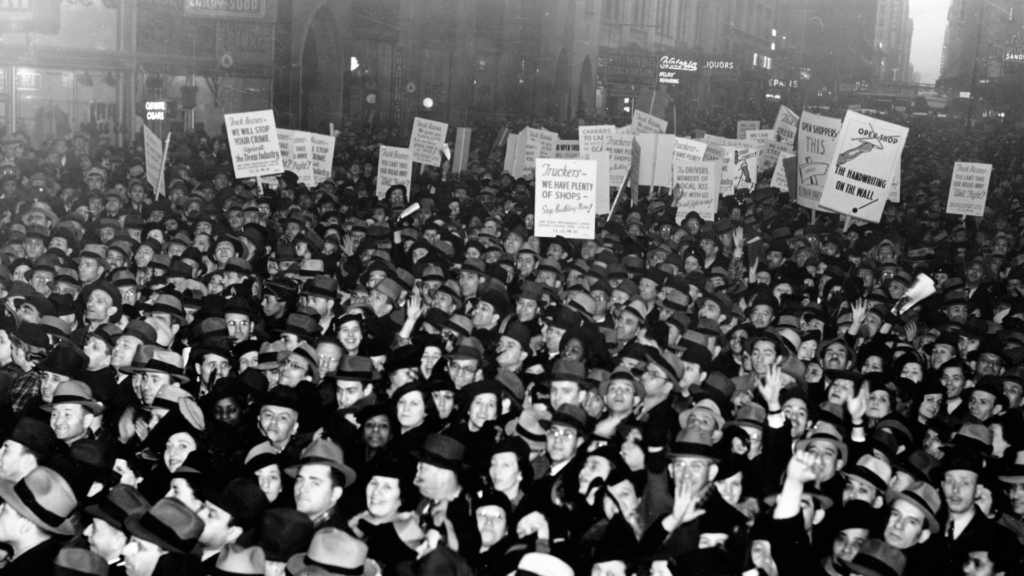
2) Expanding “domestic terrorism” framing into civic space
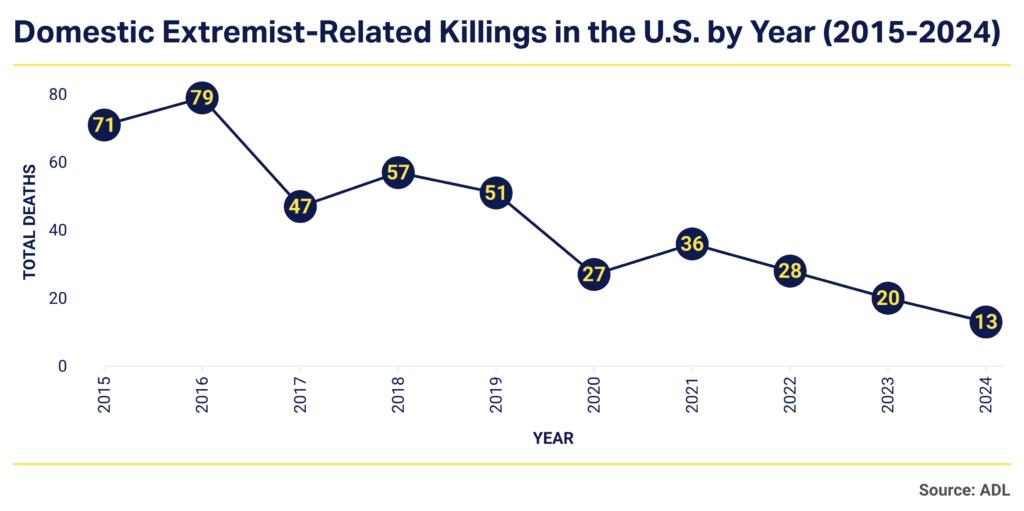
On September 25, 2025, Trump issued a National Security Presidential Memorandum titled “Countering Domestic Terrorism and Organized Political Violence.” Civil liberties groups, including the ACLU, warned the directive could expand scrutiny toward nonprofits, donors, and activists, and that key terms risk being applied broadly.
Nonprofit advocates described the memo as directing agencies to investigate, prosecute, and disrupt nonprofit organizations the administration claims are supporting or funding domestic terrorism. Legal analyses also highlighted that broad directives to “follow the money” could increase compliance risk and chill civic participation, even without mass prosecutions.
To be clear: political violence exists, and government has a legitimate duty to stop it. The democratic question is whether counterterror tools remain narrow, evidence-based, and rights-protecting, or whether they become a flexible label used to intimidate disfavored civil society.
3) Using grant oversight and lobbying enforcement as leverage
In August 2025, Trump issued Executive Order 14332, “Improving Oversight of Federal Grantmaking.” Also in August, he issued a memorandum directing the Attorney General to investigate whether federal grant funds were being used illegally for lobbying, with Reuters reporting the White House framing as preventing grant money from being diverted to lobbying.
Again, oversight and anti-fraud enforcement are not inherently authoritarian. Most taxpayers want accountability. The risk is in how these tools are applied:
- Are rules clear and viewpoint-neutral?
- Are audits and enforcement aimed at misconduct, or at opposition?
- Do compliance burdens fall hardest on smaller local groups that cannot afford lawyers?

Even when enforcement is legally justified, it can still function as a political weapon if applied selectively, or if it creates a chilling effect that causes organizations to stop speaking, organizing, or even applying for funds.
The deeper vulnerability: America’s civic shrinkage
Here is the part that makes Citizen “We” urgent, even before any crackdown.
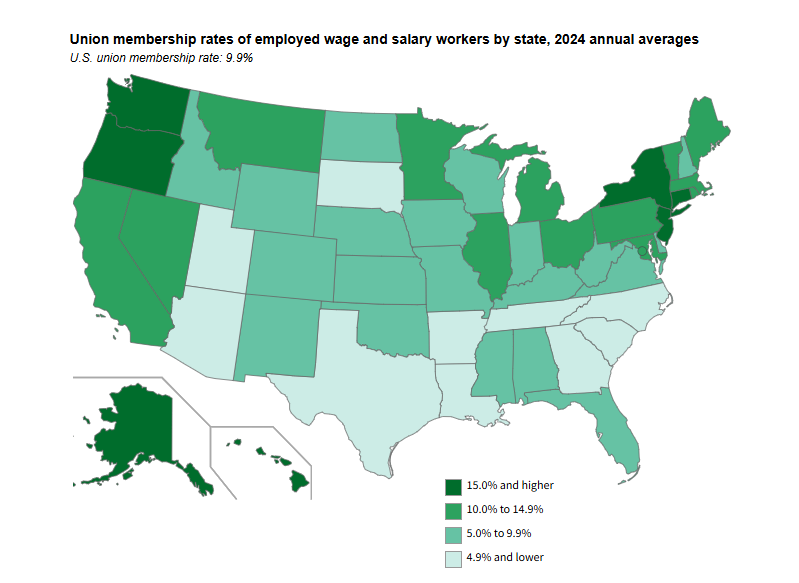
Civil society in the U.S. has been thinning for decades. Union membership was 9.9% of wage and salary workers in 2024, down from 20.1% in 1983, according to the U.S. Bureau of Labor Statistics.
[U.S. Bureau of Labor Statistics]
At the same time, public health leaders have been warning that social disconnection harms not only individual health but also community resilience.
A country with fewer clubs, fewer congregations, fewer unions, fewer local teams, and fewer volunteer groups is a country that is easier to polarize and easier to intimidate. When citizens do not practice “we” in daily life, they end up practicing it in politics only, and politics is the least forgiving place to learn cooperation.
That is the grim paradox: the weaker Citizen “We” becomes on its own, the more tempting it is for would-be strongmen to finish it off.
What a democracy looks like when Citizen “We” is strong
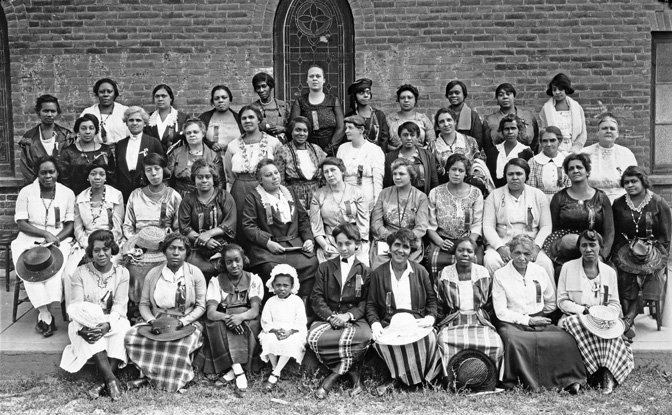
In a healthy democracy, civil society does not merely protest. It holds society together.
[Aug. 3, 1921]
It is where:
- strangers become neighbors
- disagreement becomes tolerable
- loneliness becomes solidarity
- accountability becomes routine
It also provides a critical democratic service: it creates places where people can be angry about the country while still being committed to it.
Authoritarianism tries to break that. It wants isolated citizens, loyal crowds, and compliant institutions. It fears organized communities.
The point of “Citizen We”
Citizen “We” is not a slogan. It is a diagnosis.
If you want to know whether a democracy is sliding toward authoritarianism, do not only watch elections. Watch what happens to the institutions between elections:
- Are unions being stripped of power?
- Are nonprofits being painted as enemies or criminals-in-waiting?
- Are funding streams and legal frameworks being used to punish dissent?
- Are civic groups being forced into either silence or partisanship?
Because once Citizen “We” is gutted, democracy becomes a thin ritual. People still vote, sometimes. But they no longer have the daily infrastructure that makes self-government real.
And that is when tyranny stops being a theory and becomes an administrative convenience.