-
-
-
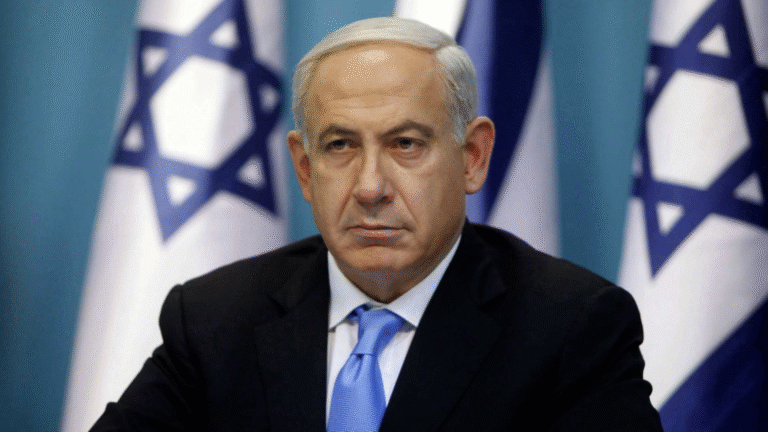
Benjamin Netanyahu: Israel’s Longest-Serving Prime Minister and the Cost of His Power
Benjamin Netanyahu has ruled Israel longer than anyone in its history — but his relentless grip on power has come at a staggering cost. From corruption scandals and alliances with extremists to the devastating Gaza war that’s left tens of thousands dead, this in-depth report traces how one man’s pursuit of survival has reshaped Israel’s democracy, its global standing, and the future of the Middle East.
-
Air Traffic Crisis: The Aging System Keeping Our Skies Safe—For Now
America’s skies are safe—but barely. Behind every flight is a shrinking, overworked force of air traffic controllers using outdated equipment, crumbling towers, and even parts bought on eBay to keep planes from colliding. This story exposes how chronic understaffing, decades of neglect, and stalled modernization have pushed the nation’s air traffic control system to its breaking point.
-
-
-
-
-
-
-
Classified Information and Mishandling: What It Is, Why It Matters
The U.S. formally adopted classification systems during the World War II era. Executive Order 8381 in 1938 introduced initial categories like “Restricted.” EO 10290 in 1951 under Truman created a more unified system, including “Top Secret.” Later updates came from EO 12065 (Carter, 1978) and EO 13526 (Obama, 2009), now the guiding framework.
-
Indictments: The Legal Process and Its Implications
An indictment is a cornerstone of the criminal justice process, representing the formal accusation that a person has committed a serious crime. While the concept is simple—charging someone officially—it has deep historical, constitutional, and procedural significance. This deep dive explores the evolution, process, and impact of indictments in both state and federal systems.
-
-
-
What Is the Supreme Court and What Does It Do?
TL;DR What It Is The Supreme Court of the United States is the top court in the federal judiciary. Created by Article III of the Constitution, it is the final authority on interpreting federal law and the Constitution. It typically consists of nine justices: one Chief Justice and eight Associate Justices, nominated by the President…
-
-
-
-