-
-
-
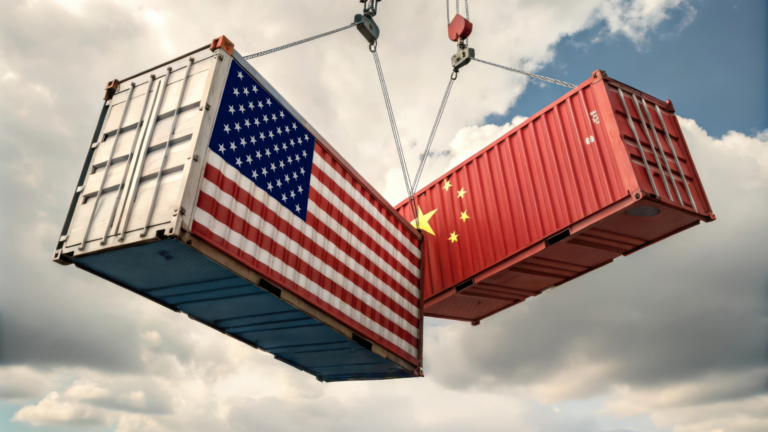
The Supreme Court Just Declared Trump’s Tariffs Illegal. So Why Is There Still a 15% “Global Tariff” on the Table?
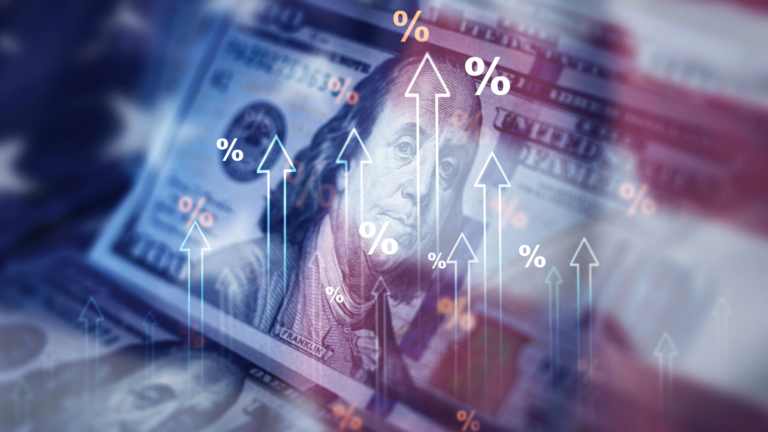
The Supreme Court just blew up one of Trump’s biggest tariff weapons, ruling that his IEEPA “emergency powers” tariffs were imposed under the wrong law. Then came the whiplash: a newly announced global tariff that could reach 15%. If that sounds contradictory, it isn’t, at least not legally. Here’s what tariffs really are, which ones the Court struck down, how a president can still launch new ones, and why the fallout shows up in your prices, your job, and your ability to plan.
-
Iran in 2026: The currency crash, the uranium clock, and the thin line between a deal and a war
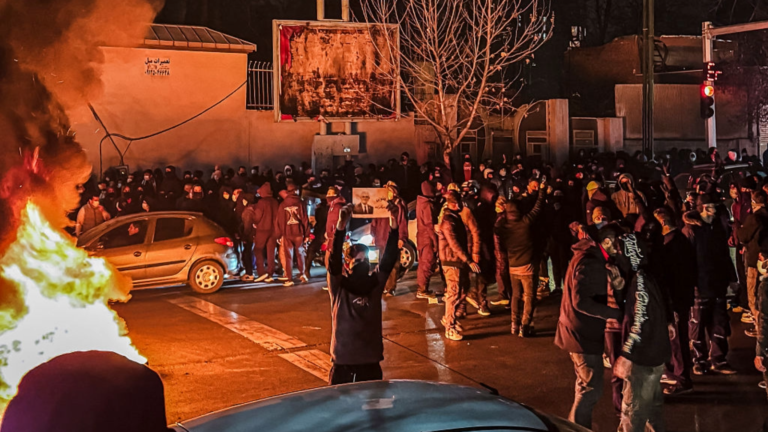
Gunfire at a mourning ceremony. A currency that can lose credibility overnight. A nuclear program that has turned diplomacy into a countdown. Iran is slipping into a moment where every lever of pressure is being pulled at once, and each move carries the risk of lighting the next fire. As protests flare and the state responds with force, Washington weighs strikes, Tehran hardens its stance, and the world is left staring at a single, terrifying question: which breaks first, the talks, the regime, or the region?
-
Did Trump Save You Money in His First Year?
Steel prices jump in two weeks. A clinic shuts its doors. Washington calls it “savings.” But when the deficit shrinks because tariffs bring in record revenue and programs get cut, whose balance sheet improves, and whose gets crushed? In Trump’s first year, the federal ledger looked better on paper. For many families and small businesses, life got more expensive, more uncertain, and harder to navigate.
-
ICE and the Immigration Equation: How Targeted Priorities Can Restore Trust—and Strengthen a Country Built by Newcomers
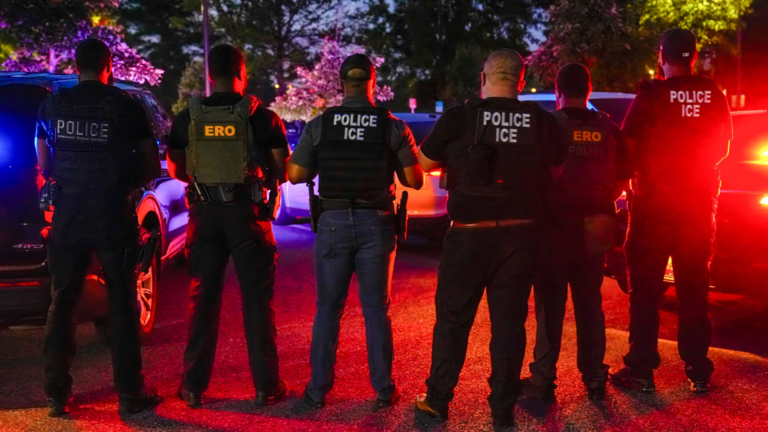
The immigration system is strained—and how ICE enforces the rules can either build trust or deepen fear. Immigration can still be one of America’s biggest long-term advantages, but only if enforcement supports a credible, fair process. So what should ICE do to protect public safety and system integrity without undermining that advantage?
-
-