-
-
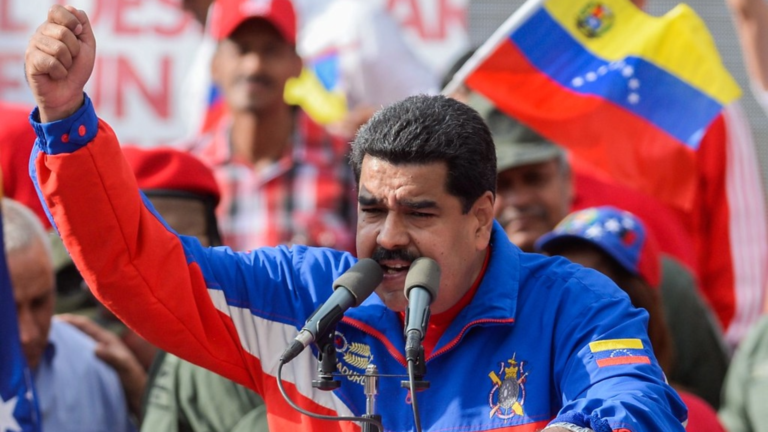
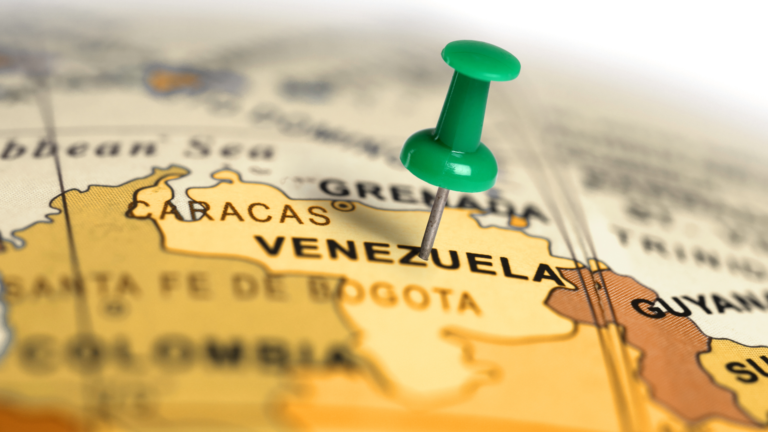
U.S.–Venezuela, Explained: A Dangerous Showdown Over Oil, Strikes, and the Law
In late 2025, Venezuela is colliding with the United States in a confrontation that’s no longer just about sanctions and speeches—but oil tankers, lethal strikes, and accusations of “piracy” and unlawful killings. Here’s the full picture of how we got here, what the law actually says, and why the ripple effects could reach Americans through gas prices, migration pressure, and a dangerous new precedent at sea.
-
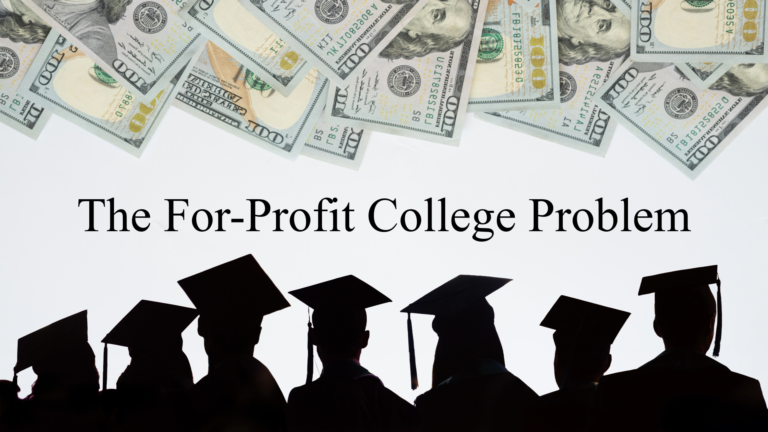
The For-Profit College Problem
For-profit colleges promise flexibility, fast credentials, and a path to better jobs—but for millions of students, the result has been debt without a degree and careers that never materialized. As regulators once again crack down on predatory practices, the question remains: how did a system meant to expand opportunity become one that so often leaves students worse off than before?
-
-
-
-
-
-
-
-
-
-
Classified Information and Mishandling: What It Is, Why It Matters
The U.S. formally adopted classification systems during the World War II era. Executive Order 8381 in 1938 introduced initial categories like “Restricted.” EO 10290 in 1951 under Truman created a more unified system, including “Top Secret.” Later updates came from EO 12065 (Carter, 1978) and EO 13526 (Obama, 2009), now the guiding framework.
-
Indictments: The Legal Process and Its Implications
An indictment is a cornerstone of the criminal justice process, representing the formal accusation that a person has committed a serious crime. While the concept is simple—charging someone officially—it has deep historical, constitutional, and procedural significance. This deep dive explores the evolution, process, and impact of indictments in both state and federal systems.
-
-