-
-
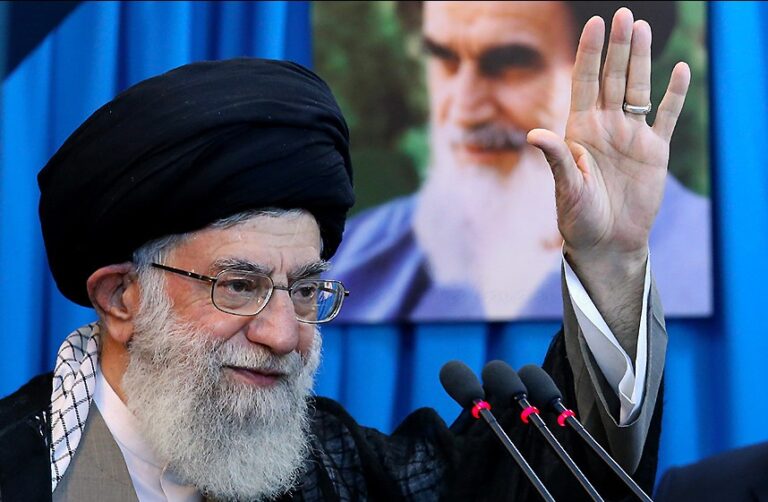
Who Was Ali Khamenei? How Iran’s Supreme Leader Built 37 Years of Absolute Power
For thirty-seven years, Ayatollah Ali Khamenei held absolute power over Iran — above its presidents, beyond its courts, untouched by the protests that shook his country again and again. He wasn’t a crude dictator. He was something more durable: a man who used the architecture of a republic as a filtering system to make sure real power never moved. On February 28, 2026, US-Israeli airstrikes killed him. But the machine he built is still running. This is the story of how he came to power, how he kept it, and what Iran faces now.
-
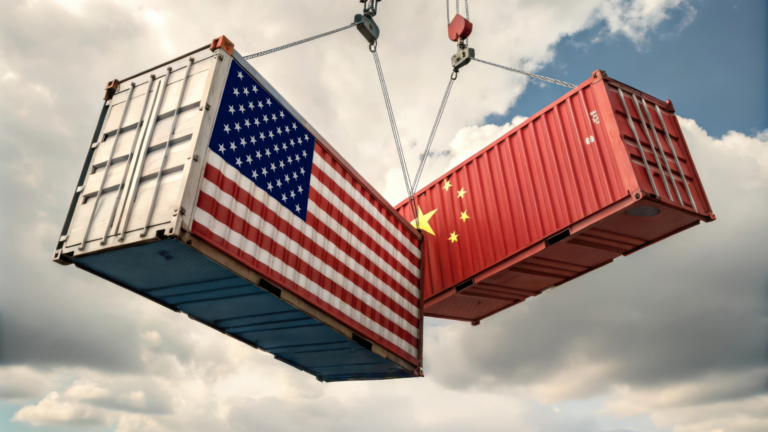
The Supreme Court Just Declared Trump’s Tariffs Illegal. So Why Is There Still a 15% “Global Tariff” on the Table?
The Supreme Court just blew up one of Trump’s biggest tariff weapons, ruling that his IEEPA “emergency powers” tariffs were imposed under the wrong law. Then came the whiplash: a newly announced global tariff that could reach 15%. If that sounds contradictory, it isn’t, at least not legally. Here’s what tariffs really are, which ones the Court struck down, how a president can still launch new ones, and why the fallout shows up in your prices, your job, and your ability to plan.
-
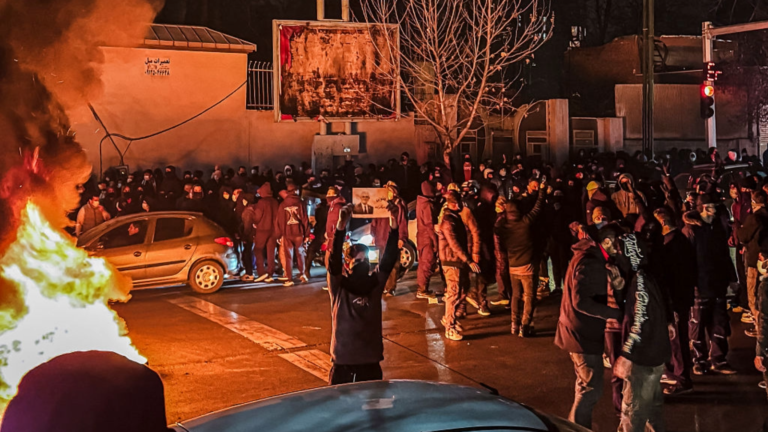
Iran in 2026: The currency crash, the uranium clock, and the thin line between a deal and a war
Gunfire at a mourning ceremony. A currency that can lose credibility overnight. A nuclear program that has turned diplomacy into a countdown. Iran is slipping into a moment where every lever of pressure is being pulled at once, and each move carries the risk of lighting the next fire. As protests flare and the state responds with force, Washington weighs strikes, Tehran hardens its stance, and the world is left staring at a single, terrifying question: which breaks first, the talks, the regime, or the region?
-
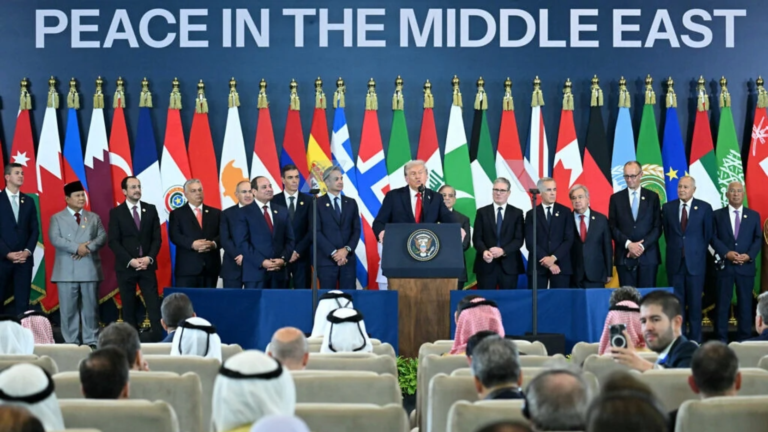
Trump’s “Board of Peace,” Explained
Trump’s proposed “Board of Peace,” first pitched as an oversight body for a Gaza ceasefire and reconstruction, is now being sold as something bigger: a standing forum that could arbitrate other global conflicts. The moment that reshaped the debate is a draft charter clause reported by major outlets, offering three-year terms for member states unless they pay $1 billion for permanent membership. Supporters call it a pragmatic way to fund and enforce fragile deals. Critics see a pay-to-join power structure that could sidestep UN norms and concentrate authority at the top.
-
Why Trump Keeps Coming Back to Greenland, and What It Could Mean
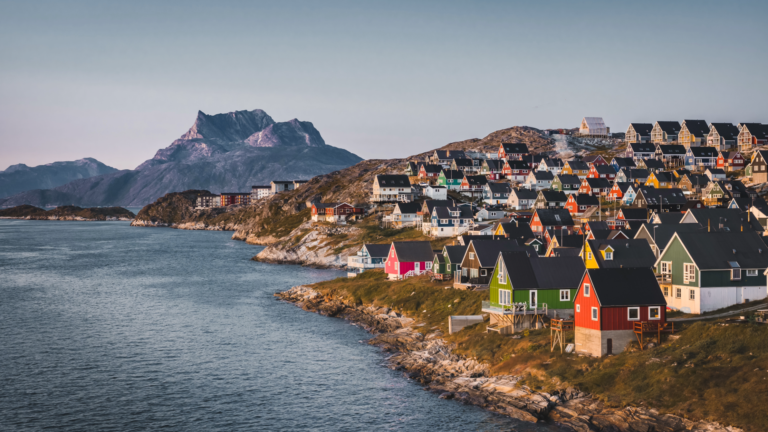
In early January 2026, a joke from Trump’s first term returned with teeth: the White House confirmed renewed discussions about “acquiring” Greenland, with officials refusing to rule out military force. Greenland is not just a giant slab of ice. It is a strategic hinge between North America and Europe, a hub for Arctic surveillance, and a long-term bet on critical minerals. But treating it like a property flips a security question into a sovereignty crisis. What Trump wants, what Greenlanders can decide, and what this fight could do to NATO and the rules-based order are now colliding in public.
-
-
U.S.–Venezuela, Explained: A Dangerous Showdown Over Oil, Strikes, and the Law
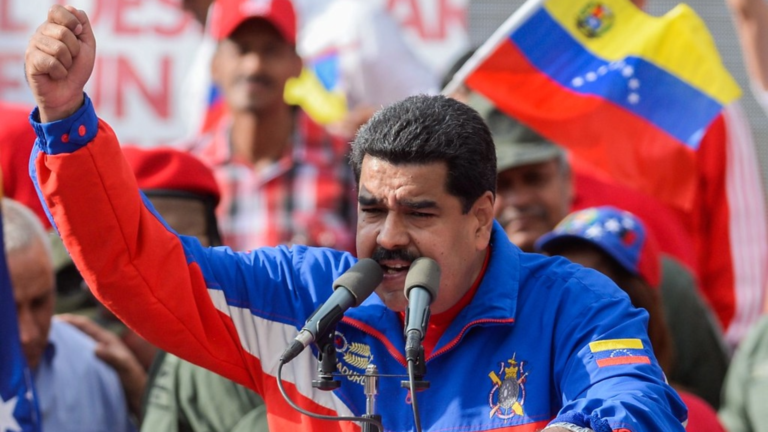
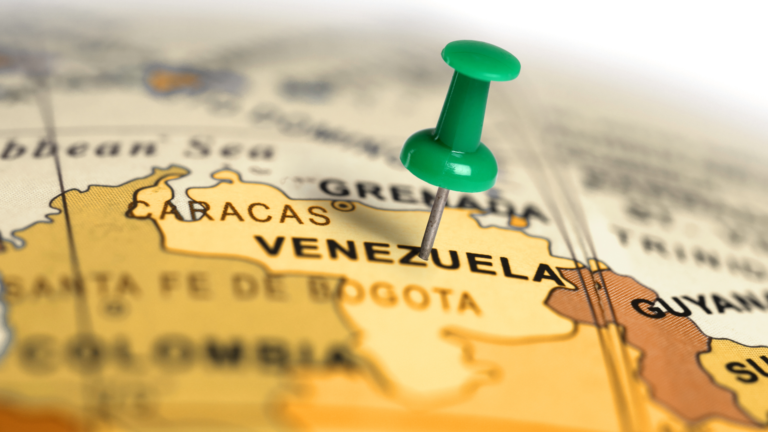
In late 2025, Venezuela is colliding with the United States in a confrontation that’s no longer just about sanctions and speeches—but oil tankers, lethal strikes, and accusations of “piracy” and unlawful killings. Here’s the full picture of how we got here, what the law actually says, and why the ripple effects could reach Americans through gas prices, migration pressure, and a dangerous new precedent at sea.