-
-
-
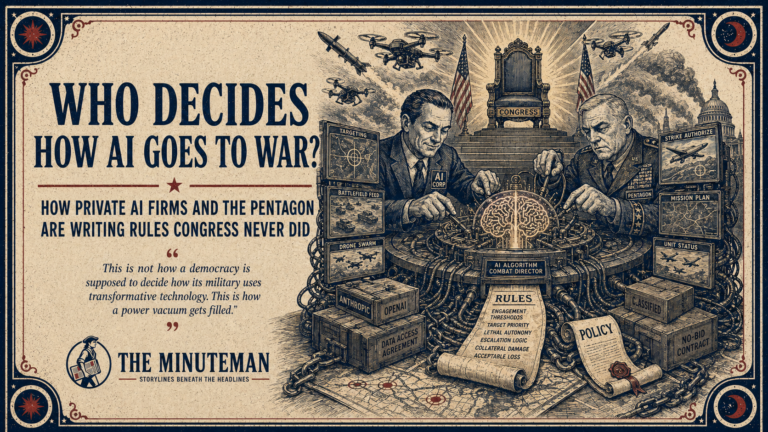
Who Decides How AI Goes to War? Right Now, Nobody You Elected.
On February 27, 2026, the Pentagon blacklisted Anthropic for refusing to give the military unrestricted access to its AI. Hours later, OpenAI signed a deal on nearly identical terms. The media wants you to pick a hero and a villain. But the real story isn’t about which company is right. It’s about why two private companies were negotiating the rules of AI in warfare at all, and where Congress has been while the most powerful technology since nuclear energy gets handed to the most powerful military on earth with no binding laws governing how it’s used.
-
The Supreme Court Just Declared Trump’s Tariffs Illegal. So Why Is There Still a 15% “Global Tariff” on the Table?
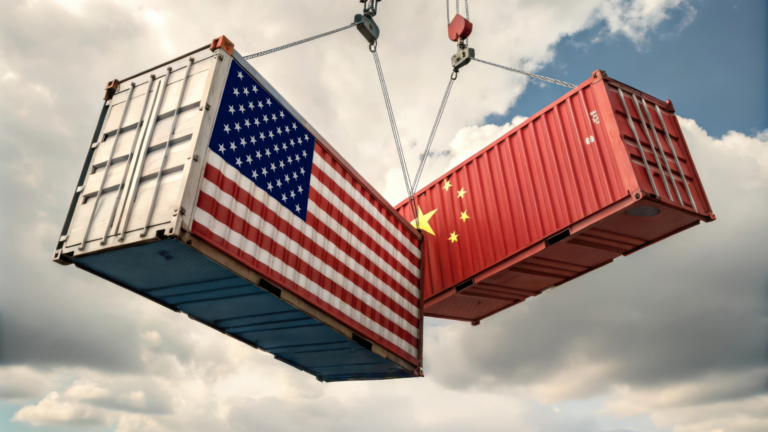
The Supreme Court just blew up one of Trump’s biggest tariff weapons, ruling that his IEEPA “emergency powers” tariffs were imposed under the wrong law. Then came the whiplash: a newly announced global tariff that could reach 15%. If that sounds contradictory, it isn’t, at least not legally. Here’s what tariffs really are, which ones the Court struck down, how a president can still launch new ones, and why the fallout shows up in your prices, your job, and your ability to plan.
-
Iran in 2026: The currency crash, the uranium clock, and the thin line between a deal and a war
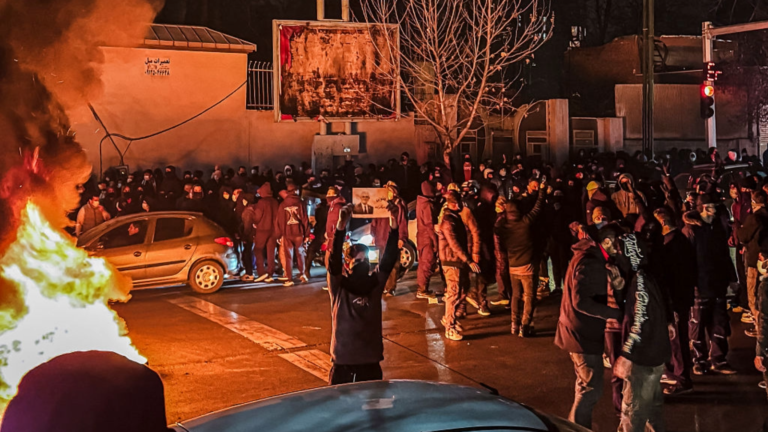
Gunfire at a mourning ceremony. A currency that can lose credibility overnight. A nuclear program that has turned diplomacy into a countdown. Iran is slipping into a moment where every lever of pressure is being pulled at once, and each move carries the risk of lighting the next fire. As protests flare and the state responds with force, Washington weighs strikes, Tehran hardens its stance, and the world is left staring at a single, terrifying question: which breaks first, the talks, the regime, or the region?
-
Rep. James Talarico vs. FCC Censorship: The Late Night TV Interview CBS Wouldn’t Air
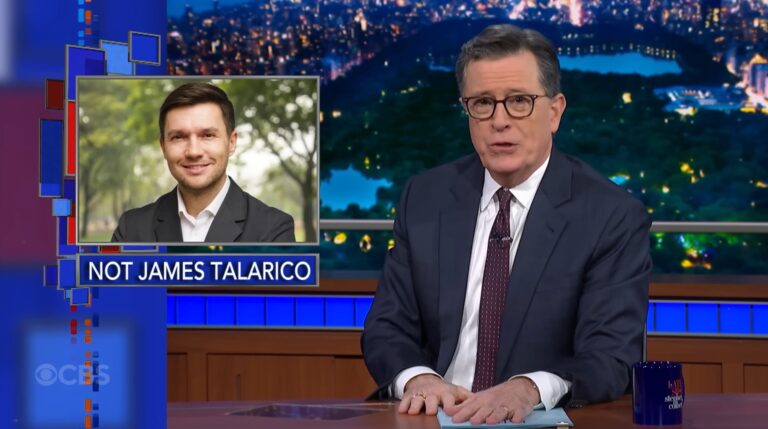
CBS didn’t “ban” Stephen Colbert’s interview with Rep. James Talarico, but it wouldn’t air it either, citing FCC equal-time fears. That small decision exposes a bigger shift: late-night TV is suddenly being treated like campaign real estate, where a single guest can trigger legal blowback. Talarico, a fast-rising Texas Democrat with preacher-grade delivery and teacher clarity, became the test case. The real question is what happens to political speech when networks decide the safest move is silence.
-
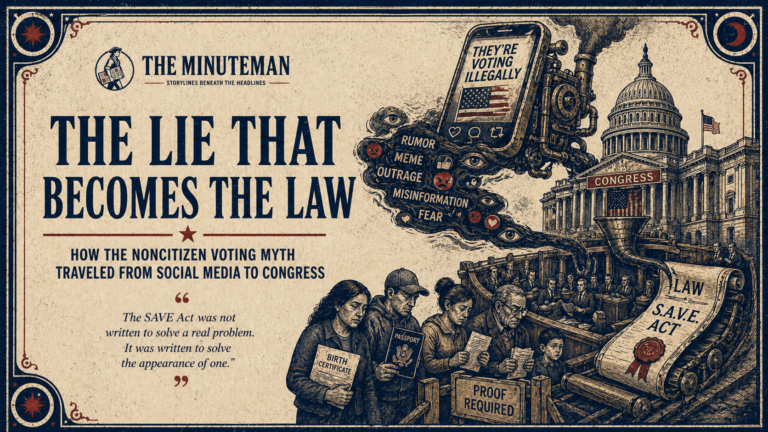
Noncitizen Voting: Two Votes in New Jersey, and the Myth of a Stolen Election
Two Bergen County ballots. That’s what federal prosecutors say this case comes down to: two men accused of casting votes in the 2020 election while not U.S. citizens, then later denying it all. The allegations are serious, and the potential prison time is real. But in a country that counted more than 150 million presidential votes, cases like this are how a sliver of reality gives oxygen to the myth that 2020 was stolen.
-
Why Trump Keeps Coming Back to Greenland, and What It Could Mean
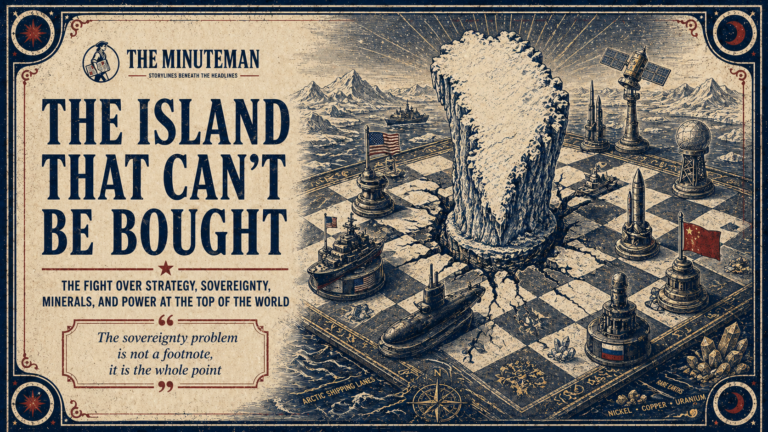
In early January 2026, a joke from Trump’s first term returned with teeth: the White House confirmed renewed discussions about “acquiring” Greenland, with officials refusing to rule out military force. Greenland is not just a giant slab of ice. It is a strategic hinge between North America and Europe, a hub for Arctic surveillance, and a long-term bet on critical minerals. But treating it like a property flips a security question into a sovereignty crisis. What Trump wants, what Greenlanders can decide, and what this fight could do to NATO and the rules-based order are now colliding in public.
-
When the Labs Go Dark: What Scientific Research Actually Is — And Why Losing It Matters
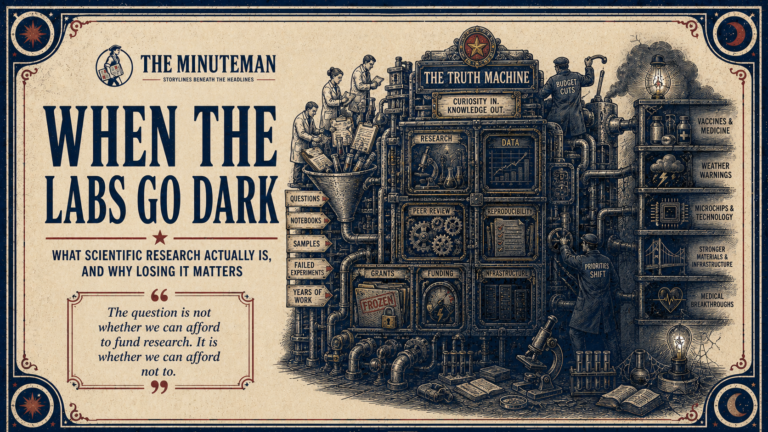
In late January 2025, a communications pause rippled through the National Institutes of Health and into the hidden machinery of American science, delaying reviews, stalling timelines, and forcing researchers to make decisions in the dark. Most of us only see research when it becomes a cure, a technology, or a warning that keeps us safe. This is the story of what research actually is, why it takes so long, and what quietly breaks when the system that produces truth is treated like a switch that can be flipped on and off.
-
Did Trump Save You Money in His First Year?
Steel prices jump in two weeks. A clinic shuts its doors. Washington calls it “savings.” But when the deficit shrinks because tariffs bring in record revenue and programs get cut, whose balance sheet improves, and whose gets crushed? In Trump’s first year, the federal ledger looked better on paper. For many families and small businesses, life got more expensive, more uncertain, and harder to navigate.
-
The Explosive History of the MAGA Slogan—America’s Most Divisive Battle Cry
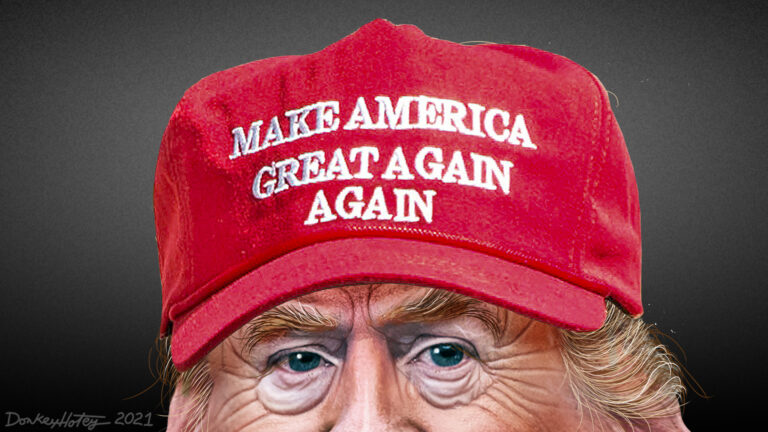
The MAGA slogan didn’t begin with Donald Trump—but it’s under Trump that the MAGA slogan transformed from a campaign line into an identity, a movement, and a cultural fault line. This story traces who used it first, what they meant, and why calling for “great again” can also mean arguing over whose America counts.