SNAP and Why it Matters to Economics, Public Health, and Policy in 21st Century
What SNAP Is
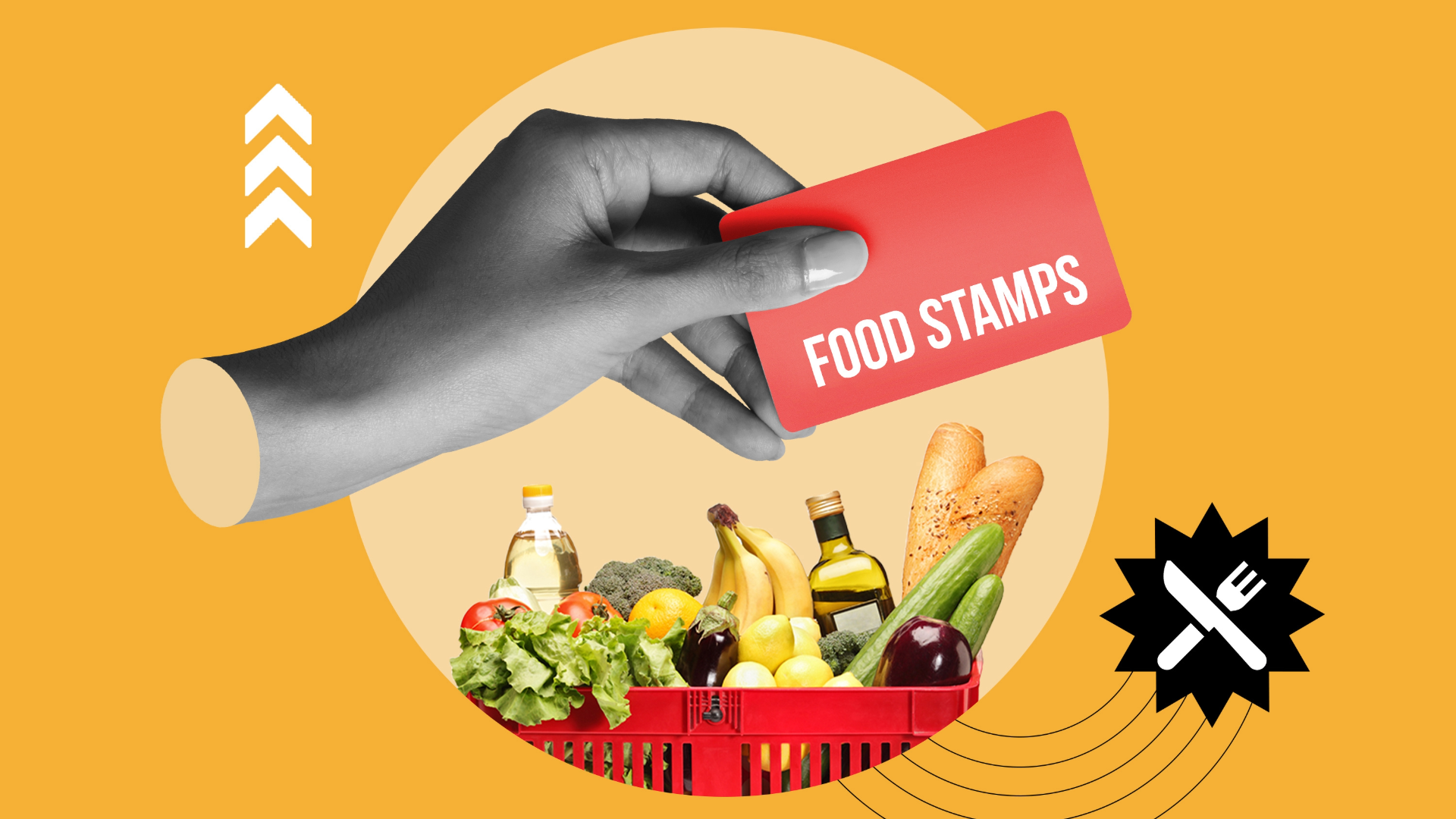
The Supplemental Nutrition Assistance Program (SNAP) is the largest federal food assistance initiative in the United States. Administered by the U.S. Department of Agriculture (USDA) through its Food and Nutrition Service (FNS), SNAP provides monthly benefits to help low-income households purchase groceries. As of 2024, over 41 million Americans rely on SNAP, from single-parent households to seniors, across every state and U.S. territory.
How It Started
SNAP’s roots lie in the Great Depression. In 1939, the U.S. launched a food stamp pilot program to address two problems at once: hunger among the poor and surplus crops hurting farmers. Color-coded stamps were used—orange for general food, blue for surplus goods. Though discontinued in 1943, the concept returned in the 1960s. The Food Stamp Act of 1964, signed by President Lyndon B. Johnson, made the program permanent. In 2008, it was renamed the Supplemental Nutrition Assistance Program to reflect a stronger focus on nutrition and to modernize its image.
How It Works Today
- Eligibility: Determined by income, household size, and resources. Gross income must generally fall below 130% of the federal poverty line; net income below 100%.
- Benefits: Participants receive funds on an Electronic Benefit Transfer (EBT) card, usable at over 250,000 SNAP-authorized retailers.
- Purchasable items: Fruits, vegetables, dairy, bread, meats, and seeds/plants to grow food. Alcohol, tobacco, vitamins, and hot foods are excluded.
Economic Footprint
The Supplemental Nutrition Assistance Program is more than a safety net—it’s a macroeconomic stabilizer. Economists estimate every $1 spent through SNAP generates $1.50 to $1.80 in economic activity. During downturns, SNAP functions as counter-cyclical stimulus. For example, during the Great Recession and the COVID-19 pandemic, enrollment surged, cushioning demand and keeping grocery sales stable. USDA research shows that $1 billion in SNAP spending supports over 13,500 jobs—many in the food retail sector.

Nutrition Assistance and Public Health
- Food insecurity: SNAP reduces food insecurity by up to 30%. Households with children, seniors, and people with disabilities are among the biggest beneficiaries.
- Health outcomes: Older adults using SNAP have lower rates of hospitalization and chronic illness. Research links participation to improved dietary intake and fewer emergency room visits.
- Nutrition programs: Initiatives like Double Up Food Bucks and Healthy Incentives Program (HIP) reward the purchase of fruits and vegetables, improving diet quality while supporting local farmers.
Innovation and Technology
- EBT and modernization: Paper stamps were phased out in favor of EBT cards starting in the 1990s. This reduced fraud and made transactions seamless for users.
- Online access: Since 2020, many states allow EBT use for online grocery purchases—a game-changer for homebound, disabled, and rural residents.
- Retailer regulations: retailers must now offer a wider range of staple foods to remain eligible, improving access to nutritious options in low-income areas.
Challenges and Misconceptions
- Fraud concerns: fraud is rare—estimated below 1.5%—but remains a flashpoint in political debate.
- Nutrition debates: Critics argue the program allows too many unhealthy processed foods. USDA continues to study ways to guide Supplemental Nutrition Assistance Program users toward better choices.
- Stigma and access: Social stigma prevents many eligible individuals—especially seniors and students—from applying. Barriers like internet access and long applications add friction.
Rural vs Urban Disparities
The Supplemental Nutrition Assistance Program plays a vital role in rural America, where food insecurity is often higher and economic recovery is slower. Yet access challenges persist. Fewer authorized retailers, limited public transit, and broadband gaps make it harder to shop with EBT or use online grocery options. As policy shifts threaten to shift more program costs to states, rural communities may bear disproportionate burdens.
Students and SNAP
College students are often overlooked in SNAP debates. Though many meet income thresholds, strict work-study rules and documentation barriers prevent full participation. A 2024 GAO report found that thousands of eligible students are not enrolled, despite high rates of food insecurity on campuses.
Policy Crossroads in 2025
The Supplemental Nutrition Assistance Program sits at the heart of major policy debates. Proposals to expand work requirements for able-bodied adults without dependents, reduce benefit levels, or devolve more funding responsibility to states are being considered. Advocates warn these changes could push millions deeper into poverty or out of the program entirely. Rising food prices have already eroded the purchasing power of benefits, making adequacy a central issue.
Looking Forward
The SNAP Nutrition Security Act, introduced in 2023, seeks to frame the program around both access and diet quality. It would direct the USDA to collect nutrition-related data and expand incentive programs. Meanwhile, studies continue to affirm SNAP’s value—not only in fighting hunger but in promoting health and stimulating local economies. Whether through modernized delivery systems, revised eligibility rules, or increased focus on fresh food access, SNAP’s next decade will be shaped by how policymakers choose to balance cost, equity, and public health.
Sources
- USDA Food and Nutrition Service – “A Short History of SNAP” (Accessed October 2025)
- NCBI – “Supplemental Nutrition Assistance Program: Examining the Evidence” (Accessed October 2025)
- ERS USDA – “SNAP Key Statistics & Research” (Accessed October 2025)
- Urban Institute – “Households Faced Persistent Challenges Affording Food in 2024” (Accessed October 2025)
- CBPP – “The Case for Boosting SNAP Benefits in Next Major Economic Response Package” (Accessed October 2025)
- FRAC – “SNAP’s Critical Role in Rural Communities — and the Consequences of Cuts” (Accessed October 2025)
- History.com – “How Did Food Stamps Begin?” (Accessed October 2025)