International Women’s Day Began as a Fight for Power. In a Time of War, It Could Be One Again
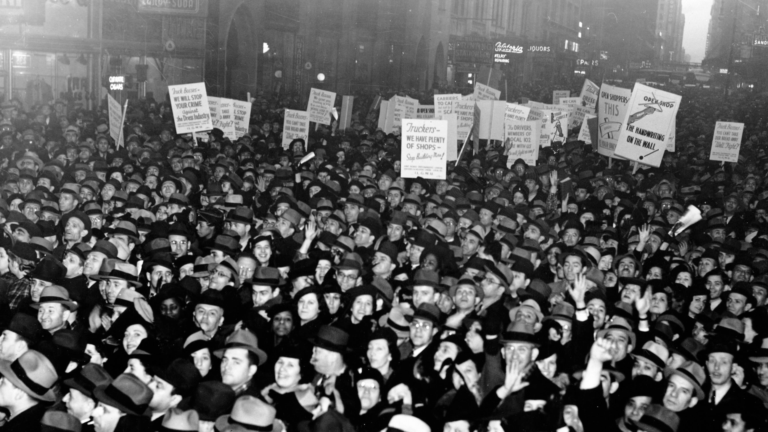
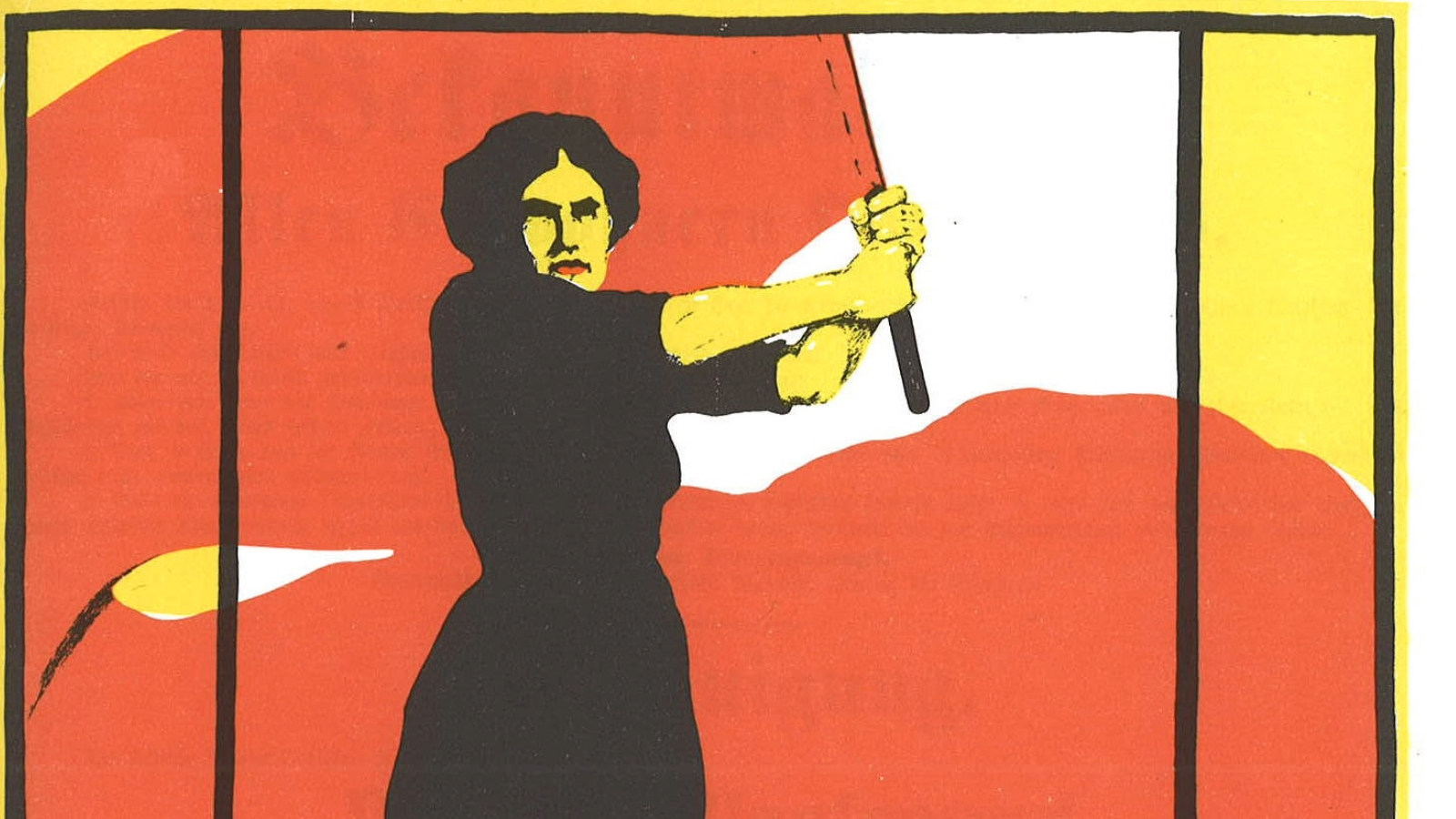
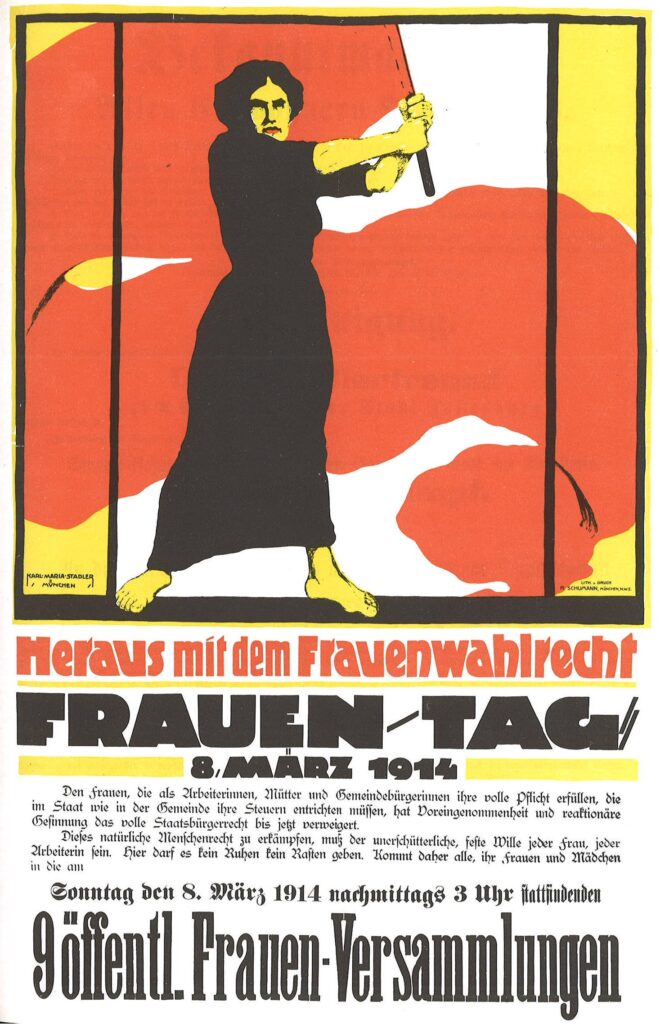
A little more than a century ago, women did not gather for International Women’s Day to post branded graphics or attend corporate breakfasts. In the United States, the day’s earliest form grew out of socialist and labor organizing. In Europe, it quickly became tied to suffrage, working conditions, and then, as the continent slid into catastrophe, resistance to war. By 1914, women were using the day for anti-war rallies. By 1917, women in Petrograd were in the streets demanding “bread and peace,” protesting hunger, repression, and World War I itself. That strike helped ignite the Russian Revolution and gave March 8 its lasting place on the calendar.
That history matters differently when the Middle East is again sliding into a broader regional war. As of March 8, 2026, fighting tied to Israel, Iran, the United States, Hezbollah, and other regional actors has widened sharply. Reuters and AP describe an escalating conflict stretching from Iran into Lebanon and the Gulf, with mounting civilian deaths, displacement, attacks on infrastructure, and warnings that the war could spread further.
So International Women’s Day raises an old question in a new moment: what is this day for? Is it mainly celebration? Recognition? Or, in times like these, is it supposed to become something sharper again: a day when women organize publicly against the machinery of war?
Before it was “International,” it was American
The American story begins before the March 8 date became fixed. The first National Woman’s Day was observed in the United States on February 28, 1909, following a declaration by the Socialist Party of America. Theresa Malkiel, a labor activist and socialist organizer, is widely credited with conceiving it. The point was not vague empowerment. It was political. It was tied to labor, voting rights, and women’s place in public life.
That origin matters because it tells us what the day looked like before it was polished. It came out of organizing culture, not branding culture. It was not originally built around individual achievement stories. It was built around collective demands.
A year later, in 1910, at the International Socialist Women’s Conference in Copenhagen, German activist Clara Zetkin and other delegates proposed an annual international women’s day. More than 100 women from 17 countries backed the idea. At that stage, there was still no universally fixed date, but the project was clear: women’s equality had to be organized across borders, not only inside separate nations.
So the United States did not invent the day in its final form, but it did help create the opening chapter. The American version gave the movement an early political template: women organizing together around labor, representation, and public power.
World War I changed what the day meant
Then war came.
When World War I erupted in 1914, it rearranged politics everywhere, including women’s politics. International Women’s Day did not stop being about rights, but in many places those rights became inseparable from the question of war itself. According to the standard historical accounts of the day, women across Europe used 1914 observances to campaign against the war and express solidarity across borders.
This is the crucial shift.
A day that began in labor and suffrage politics became, under the pressure of mass death, a platform against militarism. That did not mean every women’s organization agreed. Many suffrage leaders and reformers split over the war. Some backed national war efforts. Others insisted that women’s emancipation could not be separated from peace. But the war forced the issue. International Women’s Day no longer asked only whether women should have more rights inside existing political systems. It also asked what those systems were doing with human life.
That is part of why the best-known turning point in the history of the day came in Russia in 1917. On February 23 in the old Russian calendar, which was March 8 in the Gregorian calendar, women textile workers in Petrograd went on strike demanding “bread and peace.” They were protesting food shortages, unbearable living conditions, and World War I. The demonstrations spread. The uprising widened. The tsar soon fell. Later, March 8 became the recognized date of International Women’s Day in tribute to that moment.
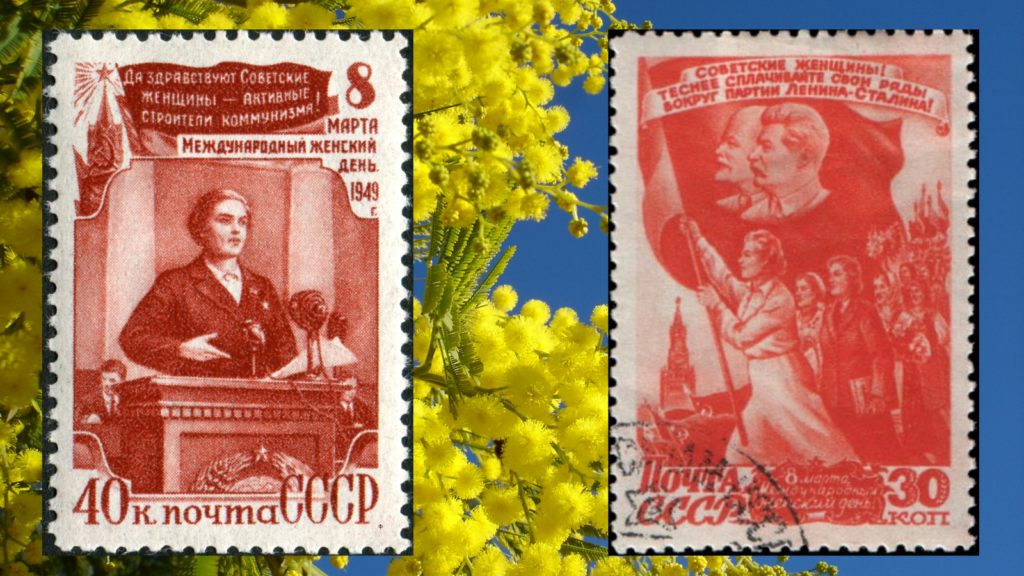
That history is often remembered as inspiration. It should also be remembered as a warning. International Women’s Day became inseparable from anti-war politics not because activists wanted to change the subject, but because war had already changed every other subject. Food, work, dignity, voting rights, family life, state violence, economic survival: all of it was being reshaped by armed conflict.
In the United States, the anti-war thread ran through peace activism
The American version of this story is a little different, and it is worth being precise about that.
In the United States, the earliest National Woman’s Day was not founded specifically as an anti-war protest. Its roots were socialist, labor-oriented, and suffrage-focused. But once World War I began, American women’s organizing developed a major peace wing that linked women’s rights with opposition to militarization. That included Jane Addams and the Women’s Peace Party, founded in 1915, which opposed the preparedness movement and American military intervention. The Library of Congress describes the organization as one of the most prominent groups opposing military buildup and U.S. entry into the war.
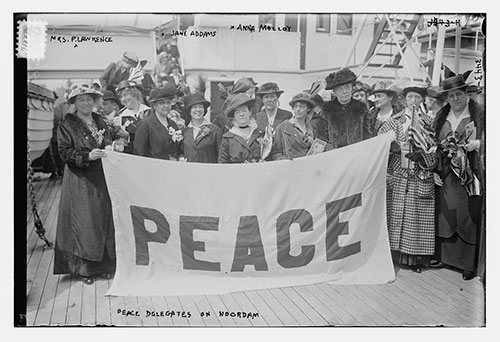
“We believe in real defense against real dangers, but not in a propoterous “preparedness” against hypothical dangers. […] At this crisis of the world, to establish a “citizen soldiery” and enourmously to increase our fighting equipment would enevitably make all other nations fear instead of trust us.” – Woman’s Peace Party to the President of the United States, October 29, 1915 via Library of Congress.
Addams was not alone. American women activists traveled, organized internationally, and argued that more arms would not produce safety, only escalation. The Women’s Peace Party helped connect U.S. activists to a wider transnational movement that later became the Women’s International League for Peace and Freedom. Speaking against war came at a cost. Peace activists were often denounced as naïve, disloyal, or dangerous. Britannica notes that anti-war women faced heavy backlash, and some paid for it professionally and politically.
That tension is part of the real history too. There was never one unified women’s position on war. Some women’s groups threw themselves into patriotic war work once the United States entered the conflict in 1917. The National Park Service notes that many suffrage activists embraced wartime service to prove women’s citizenship and strengthen the case for voting rights.
So the American lesson is not that women automatically formed a single anti-war bloc. It is that women’s political movements became a site of struggle over war itself. Some organizers sought inclusion within the wartime state. Others challenged the wartime state. International Women’s Day, broadly understood, sat inside that fight.
Why war and women’s rights keep colliding
This is where the history stops being ceremonial and becomes structural.
War does not just kill people on battlefields. It reorganizes entire societies. It redirects public money. It strengthens executive power. It turns dissent into suspicion. It makes emergency measures feel normal. It disrupts food, energy, housing, schools, health care, and transport. It creates refugee flows, widens repression, and often makes women and children disproportionately vulnerable to displacement, deprivation, and sexual violence. That is one reason the United Nations still frames the day not only around women’s rights, but also around peace.
This is also why International Women’s Day has never fit comfortably inside a purely celebratory frame. Its deeper history keeps dragging it back toward conflict, power, and public action.
If women’s lives are being remade by war, then a day about women’s equality cannot honestly avoid the war.
Why this feels urgent again now
That brings us back to the present.
The Middle East is not experiencing a single isolated clash. It is experiencing the possibility of a broader regional conflagration. Reuters reported this week that the war involving Israel, Iran, and the United States has sent shockwaves through global business and energy markets. AP has reported widening strikes, growing death tolls, attacks on civilian-linked infrastructure, and intensifying humanitarian fallout. Reuters also reported that Israel struck inside Beirut as fighting with Hezbollah escalated, while Pope Leo warned of a climate of fear, hatred, and expanding regional danger.
Even where the bombs are not falling, the consequences travel. Oil markets react. Shipping routes matter. Food and fuel costs move. Governments invoke security. Populations are asked to accept exceptional actions in the name of stability. And, as always, the ordinary people most likely to pay the price are not the ones writing strategy memos or sitting in secure rooms.
That does not mean every anti-war slogan is wise, or that every conflict can be understood with one moral shortcut. The region is shaped by state violence, militias, occupations, proxy warfare, repression, trauma, and competing security claims that are real and often deadly. Serious people can disagree about causes, law, deterrence, and responsibility. But one thing history makes hard to deny is that once war starts expanding, it rarely stays neat. The logic of escalation outruns the logic of control.
That is exactly the kind of moment in which International Women’s Day has historically changed character.
![International Women’s Day. Women protest conscription and war on World Peace Day March near the Hotel Australia, King William Street, North Adelaide, 1969. Banners reading, "End Conscription", "Save our Sons", and "Bring our boys back". Part of the Anti-Vietnam War and Anti-conscription movements in Australia. [By Hal Pritchard via Wikimedia Commons]](https://theminuteman.org/wp-content/uploads/2026/03/World_Peace_Day_March_near_the_Hotel_Australia_King_William_Street_North_Adelaide_1969-1024x711.jpg)
What the day could mean now
So what would it mean to recover International Women’s Day as a protest against armed conflict?
Not a branding campaign. Not a generic statement that women are peacemakers by nature. That kind of language often flattens history and stereotypes women into moral symbols instead of political actors.
A more serious answer would look like this: using the day to insist that war is not a separate foreign-policy topic over there, but a system that reaches into food prices, migration, civil liberties, democratic accountability, family survival, and the value a society places on human life.
It would mean remembering that the women who shaped this tradition were not asking to be celebrated by power. They were trying to confront it.
In the United States, that could take several forms at once. It could mean linking women’s rights to anti-war organizing again, as Jane Addams and the Women’s Peace Party did. It could mean arguing that a politics serious about equality must also be serious about militarism, displacement, and civilian protection. It could mean rejecting the false choice between caring about women’s freedom and caring about peace, as if these are separate causes. Historically, they have often been the same struggle seen from different angles.
And it could mean resisting the modern tendency to turn every historic day into content. International Women’s Day has always had a commemorative side, but its roots are much less tidy than the modern versions often suggest. In both its U.S. and international history, it emerged from labor conflict, political exclusion, socialist organizing, suffrage campaigns, and anti-war resistance. It was born noisy.
The harder question underneath all of this
There is a deeper reason this history matters.
When war expands, political systems tend to tell citizens that now is not the time to ask broader questions. Wait until the emergency passes. Wait until the threat is dealt with. Wait until order is restored.
International Women’s Day came out of people who refused that instruction.
They insisted that the emergency was the reason to ask bigger questions. Who has power? Who gets sacrificed? What kind of society are we building? What is security for, if it destroys the conditions of ordinary life? Who is expected to endure history, and who gets to direct it?
That is why the memory of 1914 and 1917 still has force. Those women were not stepping outside politics when they protested war. They were stepping into politics at its most fundamental level, arguing over whose lives counted and what governments were allowed to demand in the name of order.
The bottom line
In the United States, International Women’s Day began in the world of socialist labor organizing, not as a Hallmark holiday. During World War I, the broader movement around the day became increasingly bound up with anti-war resistance, most famously in the “bread and peace” protests that helped spark revolution in Russia. In America, women like Jane Addams carried that anti-war thread into public life through the Women’s Peace Party and international peace organizing.
That history does not tell us that women are inherently peaceful, or that every modern conflict has an easy answer. It tells us something more useful. When violence expands and political systems start calling it necessity, International Women’s Day has often become a moment when women insist on asking whether the necessity itself is a lie.
With the Middle East again edging deeper into regional war, that may be the most relevant part of the holiday’s history. Not the flowers. Not the slogans. The refusal.
Because the tradition behind March 8 was never just about honoring women. It was about women entering public life loudly enough to challenge where the world was being dragged next.
How to Win A War
Crypto’s Best Customers Are Arms Dealers, Dictators, and a Sitting President
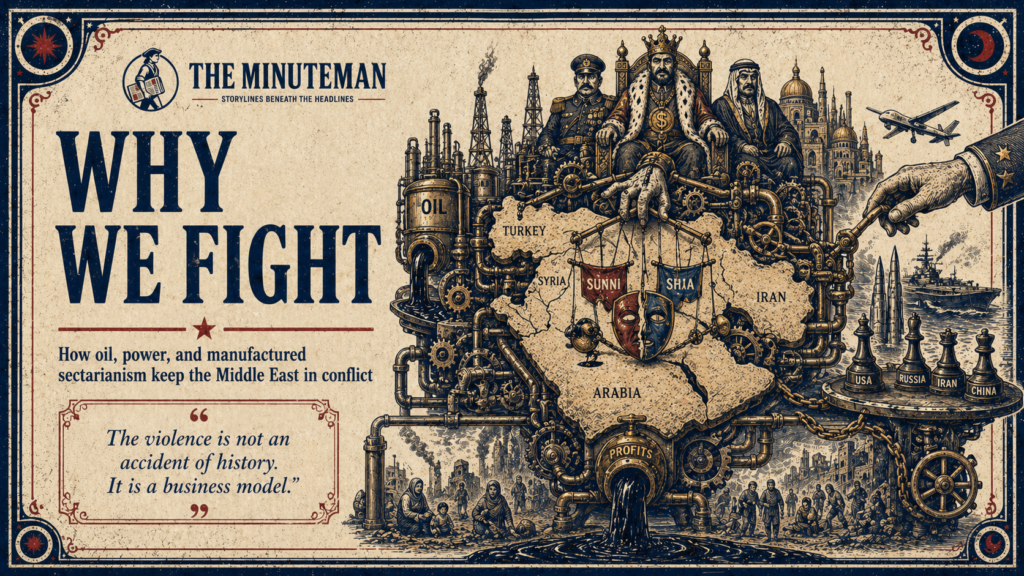
Why We Fight. The Middle East Conflict, Explained
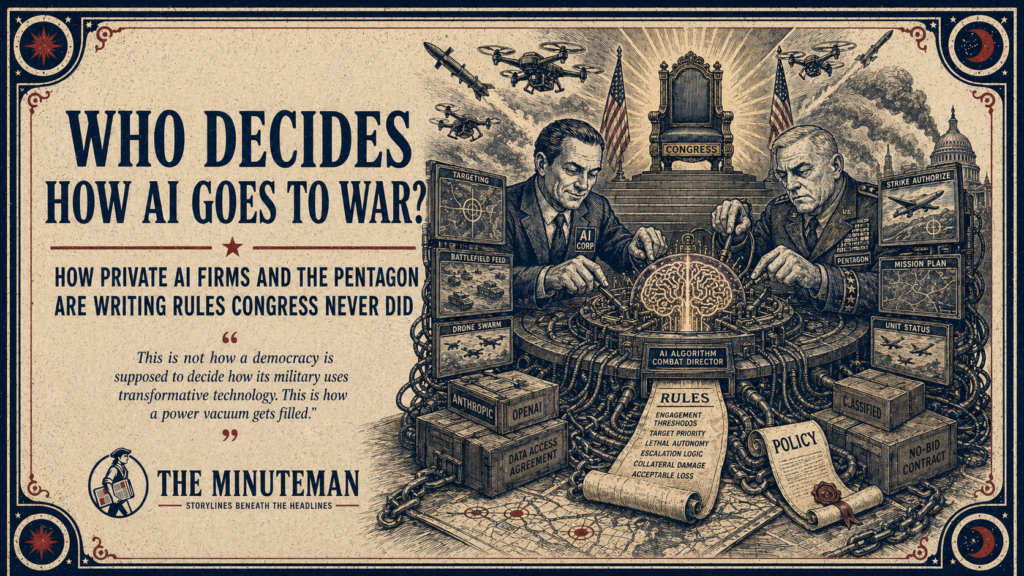
Who Decides How AI Goes to War? Right Now, Nobody You Elected.
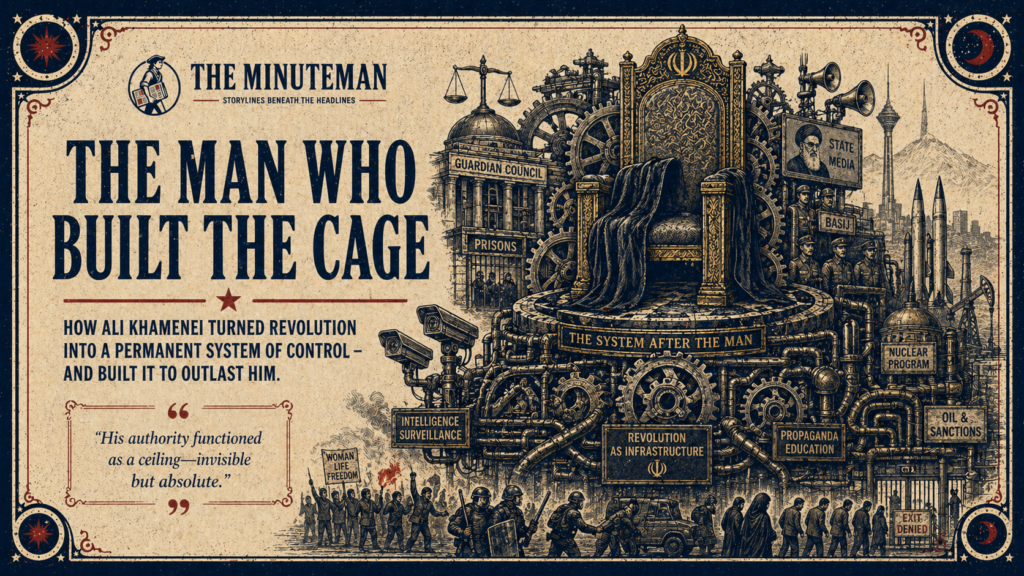
Who Was Ali Khamenei? How Iran’s Supreme Leader Built 37 Years of Absolute Power