-
-
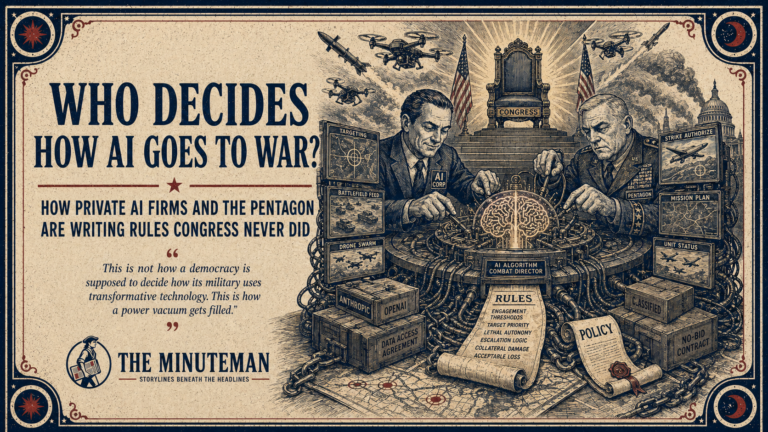
Who Decides How AI Goes to War? Right Now, Nobody You Elected.
On February 27, 2026, the Pentagon blacklisted Anthropic for refusing to give the military unrestricted access to its AI. Hours later, OpenAI signed a deal on nearly identical terms. The media wants you to pick a hero and a villain. But the real story isn’t about which company is right. It’s about why two private companies were negotiating the rules of AI in warfare at all, and where Congress has been while the most powerful technology since nuclear energy gets handed to the most powerful military on earth with no binding laws governing how it’s used.
-
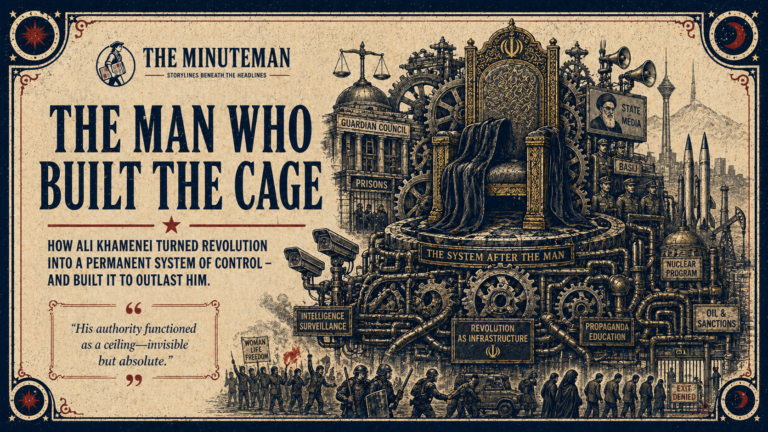
Who Was Ali Khamenei? How Iran’s Supreme Leader Built 37 Years of Absolute Power
For thirty-seven years, Ayatollah Ali Khamenei held absolute power over Iran — above its presidents, beyond its courts, untouched by the protests that shook his country again and again. He wasn’t a crude dictator. He was something more durable: a man who used the architecture of a republic as a filtering system to make sure real power never moved. On February 28, 2026, US-Israeli airstrikes killed him. But the machine he built is still running. This is the story of how he came to power, how he kept it, and what Iran faces now.
-
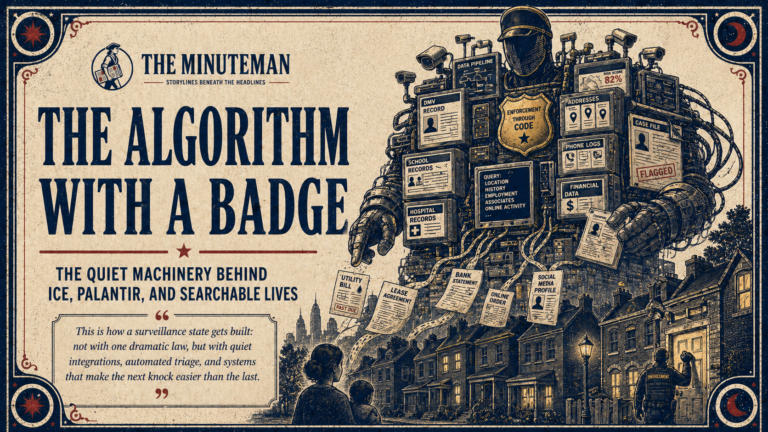
How a Surveillance State Gets Built: Palantir, ICE, and Your Private Data
Your private data was never meant to become a map to your front door, but that’s what happens when government power meets private-corporation tooling built for speed and scale. Palantir helps ICE stitch together ordinary records, turn them into searchable profiles, and move those profiles through workflows that end in targeting and arrests, often far beyond the “worst of the worst” story the public gets sold. This is how a surveillance state gets built: not with one dramatic law, but with quiet integrations, automated triage, and systems that make the next knock easier than the last. The question isn’t whether the technology is impressive, it’s what it makes possible.
-
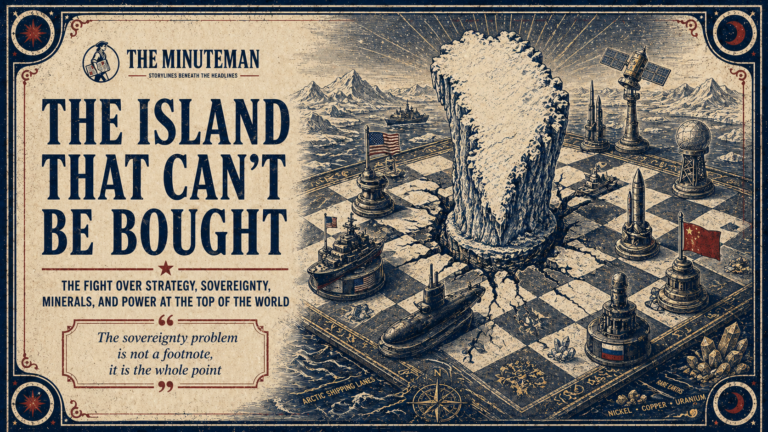
Why Trump Keeps Coming Back to Greenland, and What It Could Mean
In early January 2026, a joke from Trump’s first term returned with teeth: the White House confirmed renewed discussions about “acquiring” Greenland, with officials refusing to rule out military force. Greenland is not just a giant slab of ice. It is a strategic hinge between North America and Europe, a hub for Arctic surveillance, and a long-term bet on critical minerals. But treating it like a property flips a security question into a sovereignty crisis. What Trump wants, what Greenlanders can decide, and what this fight could do to NATO and the rules-based order are now colliding in public.
-
-
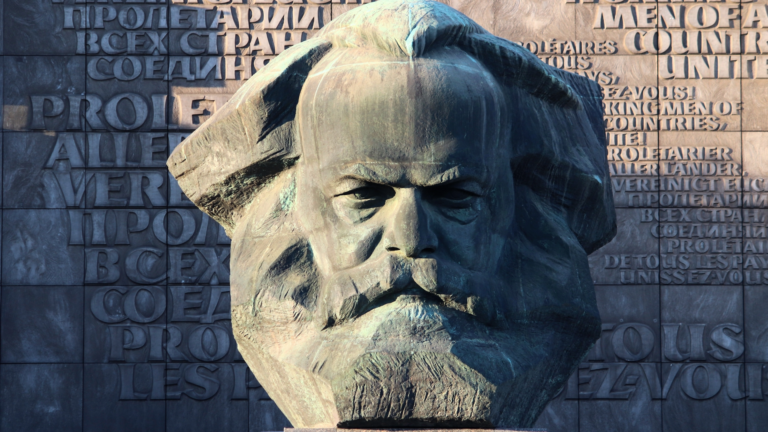
Socialism: What It Is, Where It Came From, and Why People Still Argue About It
“Socialism” is everywhere—on debate stages, in headlines, in family arguments—and yet most people aren’t fighting over the same definition. For some, it’s a warning label tied to authoritarian states; for others, it’s a promise that healthcare, housing, and wages shouldn’t hinge on luck. This piece untangles what socialism actually means, how it evolved, and why the stakes of the argument are bigger than the word itself.
-
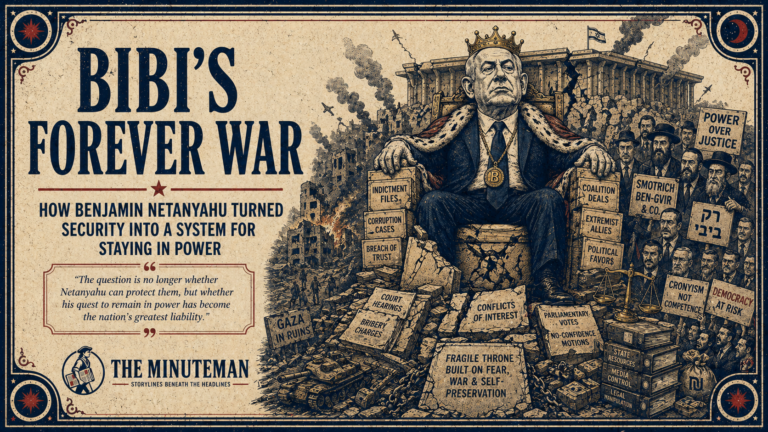
Benjamin Netanyahu: Israel’s Longest-Serving Prime Minister and the Cost of His Power
Benjamin Netanyahu has ruled Israel longer than anyone in its history — but his relentless grip on power has come at a staggering cost. From corruption scandals and alliances with extremists to the devastating Gaza war that’s left tens of thousands dead, this in-depth report traces how one man’s pursuit of survival has reshaped Israel’s democracy, its global standing, and the future of the Middle East.