-
-
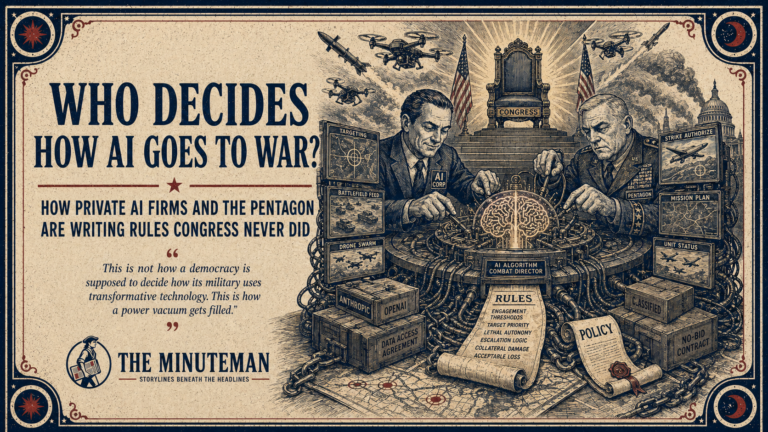
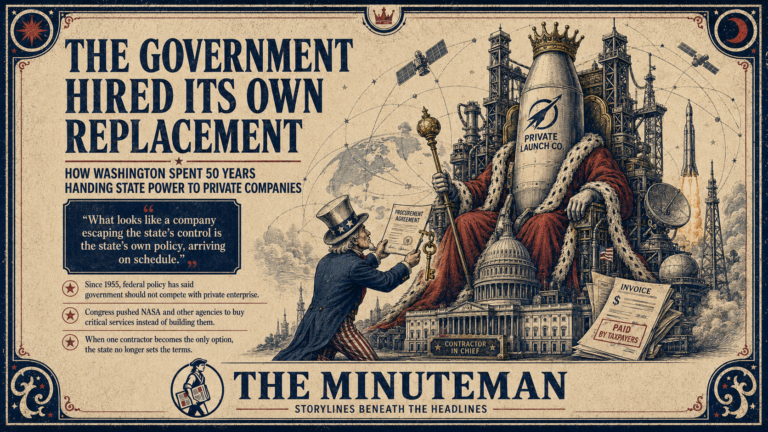
Who Decides How AI Goes to War? Right Now, Nobody You Elected.
On February 27, 2026, the Pentagon blacklisted Anthropic for refusing to give the military unrestricted access to its AI. Hours later, OpenAI signed a deal on nearly identical terms. The media wants you to pick a hero and a villain. But the real story isn’t about which company is right. It’s about why two private companies were negotiating the rules of AI in warfare at all, and where Congress has been while the most powerful technology since nuclear energy gets handed to the most powerful military on earth with no binding laws governing how it’s used.
-
Iran in 2026: The currency crash, the uranium clock, and the thin line between a deal and a war
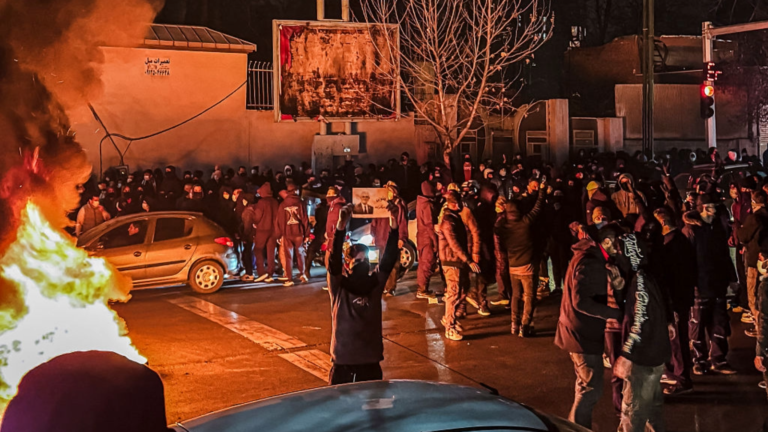
Gunfire at a mourning ceremony. A currency that can lose credibility overnight. A nuclear program that has turned diplomacy into a countdown. Iran is slipping into a moment where every lever of pressure is being pulled at once, and each move carries the risk of lighting the next fire. As protests flare and the state responds with force, Washington weighs strikes, Tehran hardens its stance, and the world is left staring at a single, terrifying question: which breaks first, the talks, the regime, or the region?
-
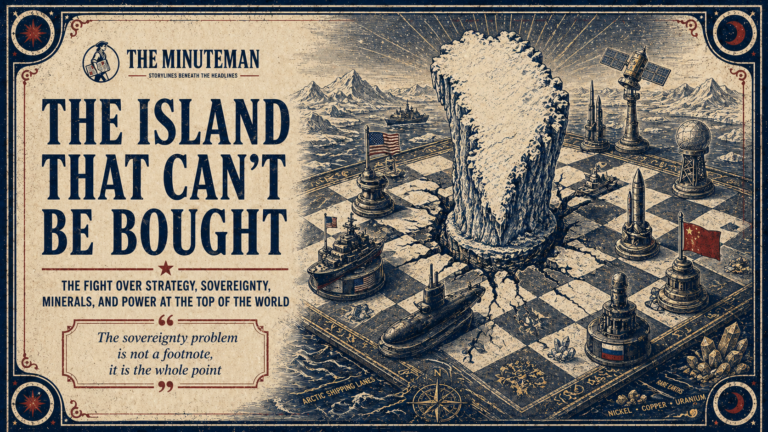
Why Trump Keeps Coming Back to Greenland, and What It Could Mean
In early January 2026, a joke from Trump’s first term returned with teeth: the White House confirmed renewed discussions about “acquiring” Greenland, with officials refusing to rule out military force. Greenland is not just a giant slab of ice. It is a strategic hinge between North America and Europe, a hub for Arctic surveillance, and a long-term bet on critical minerals. But treating it like a property flips a security question into a sovereignty crisis. What Trump wants, what Greenlanders can decide, and what this fight could do to NATO and the rules-based order are now colliding in public.
-
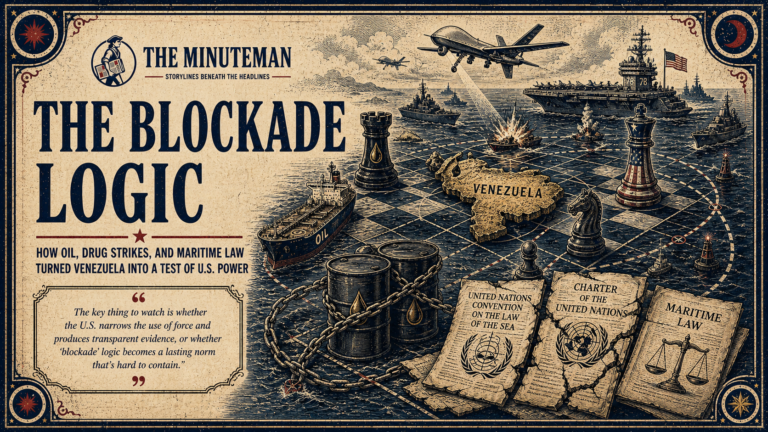
U.S.–Venezuela, Explained: A Dangerous Showdown Over Oil, Strikes, and the Law
In late 2025, Venezuela is colliding with the United States in a confrontation that’s no longer just about sanctions and speeches—but oil tankers, lethal strikes, and accusations of “piracy” and unlawful killings. Here’s the full picture of how we got here, what the law actually says, and why the ripple effects could reach Americans through gas prices, migration pressure, and a dangerous new precedent at sea.
-
-