-
-
International Women’s Day Began as a Fight for Power. In a Time of War, It Could Be One Again
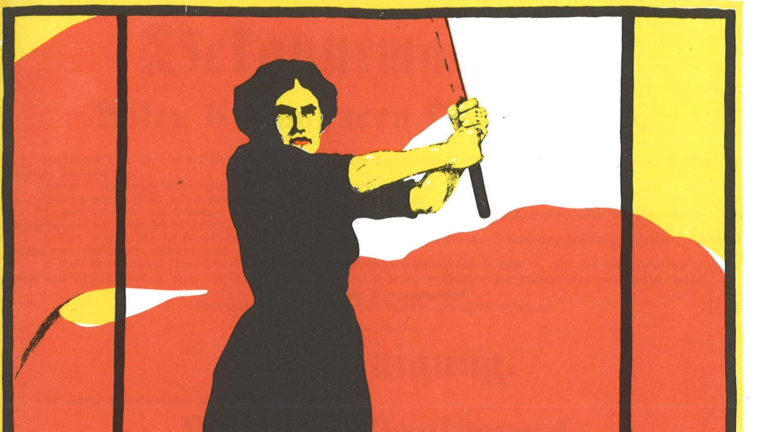
International Women’s Day did not begin as a feel-good celebration. In the United States and abroad, it grew out of labor struggle, demands for political power, and, during World War I, resistance to armed conflict and the systems that fueled it. As conflict again deepens in the Middle East, that history reminds us that celebrating women has often meant also recognizing their role in resisting violence, demanding peace, and challenging the forces shaping the world around them.
-
The Supreme Court Just Declared Trump’s Tariffs Illegal. So Why Is There Still a 15% “Global Tariff” on the Table?
The Supreme Court just blew up one of Trump’s biggest tariff weapons, ruling that his IEEPA “emergency powers” tariffs were imposed under the wrong law. Then came the whiplash: a newly announced global tariff that could reach 15%. If that sounds contradictory, it isn’t, at least not legally. Here’s what tariffs really are, which ones the Court struck down, how a president can still launch new ones, and why the fallout shows up in your prices, your job, and your ability to plan.
-
Rep. James Talarico vs. FCC Censorship: The Late Night TV Interview CBS Wouldn’t Air
CBS didn’t “ban” Stephen Colbert’s interview with Rep. James Talarico, but it wouldn’t air it either, citing FCC equal-time fears. That small decision exposes a bigger shift: late-night TV is suddenly being treated like campaign real estate, where a single guest can trigger legal blowback. Talarico, a fast-rising Texas Democrat with preacher-grade delivery and teacher clarity, became the test case. The real question is what happens to political speech when networks decide the safest move is silence.
-
How a Surveillance State Gets Built: Palantir, ICE, and Your Private Data
Your private data was never meant to become a map to your front door, but that’s what happens when government power meets private-corporation tooling built for speed and scale. Palantir helps ICE stitch together ordinary records, turn them into searchable profiles, and move those profiles through workflows that end in targeting and arrests, often far beyond the “worst of the worst” story the public gets sold. This is how a surveillance state gets built: not with one dramatic law, but with quiet integrations, automated triage, and systems that make the next knock easier than the last. The question isn’t whether the technology is impressive, it’s what it makes possible.
-
The Myth of Trickle-Down Economics: Why the Next Dollar Doesn’t Reach the Middle Class
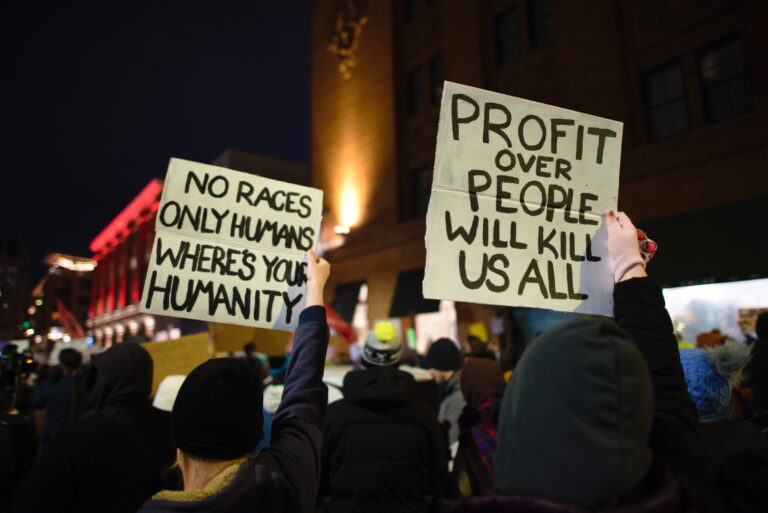
Cut taxes at the top, the argument goes, and the benefits will flow down through investment, jobs, and higher wages. Everybody wins. But the economy does not run on promises. It runs on what people do with the next dollar. That is what “marginal propensity to consume” really means. When a family living close to the edge gets an extra thousand dollars, it tends to become tires, groceries, a dentist appointment – in other words, it becomes a paycheck for another person. When a household that is already comfortable gets that same thousand, it is more likely to become savings. The money does not vanish. It just takes a route that does not have to pass through a local cash register.
-
Citizen “We”: The Hidden Infrastructure of Democracy
Citizen “We” is the part of democracy you do not see on cable news, the union meeting after work, the volunteer crew fixing a playground, the booster club running the snack stand, the faith group organizing meal trains, the local team where strangers learn how to trust each other. It is where Americans practice self-government long before they argue about it at the ballot box. And it is often the first target of tyranny, not because it wins elections, but because it builds coordination, loyalty, and courage outside the state. When leaders weaken unions, stigmatize nonprofits, or treat civic organizing as suspicious, they are not just changing policy. They are cutting the country’s social wiring.
-
Socialism: What It Is, Where It Came From, and Why People Still Argue About It
“Socialism” is everywhere—on debate stages, in headlines, in family arguments—and yet most people aren’t fighting over the same definition. For some, it’s a warning label tied to authoritarian states; for others, it’s a promise that healthcare, housing, and wages shouldn’t hinge on luck. This piece untangles what socialism actually means, how it evolved, and why the stakes of the argument are bigger than the word itself.
-
What a Fed Interest Rate Cut Means: Risks and Rewards for Borrowing, Markets, and Your Wallet
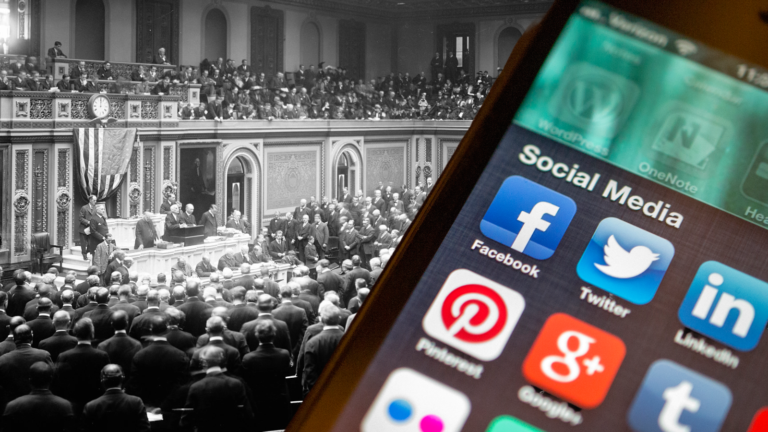
When the Federal Reserve cut interest rates by 25 basis points, it wasn’t just a financial headline — it was a shift that will ripple through borrowing, spending, markets, and the broader economy. Understanding how and why rates move reveals who benefits, who feels the squeeze, and how these subtle changes steer the nation’s economic future.
-
Redistricting and Gerrymandering: How Drawing Lines Shapes—and Distorts—American Democracy
Every decade, political maps quietly reshape who holds power in America—often long before a single vote is cast. As new court battles, shifting demographics, and precision-engineered districts redefine the 2026 landscape, the fight over where the lines are drawn may matter more than the elections themselves.
-
-