

Why We Should Abolish ICE: When “Protection” Turns Into Detention, Violence, and Fear
The argument to abolish ICE centers on an agency built for interior enforcement that keeps producing the same outcomes: mistaken identity, escalating force, and accountability gaps the public cannot audit.
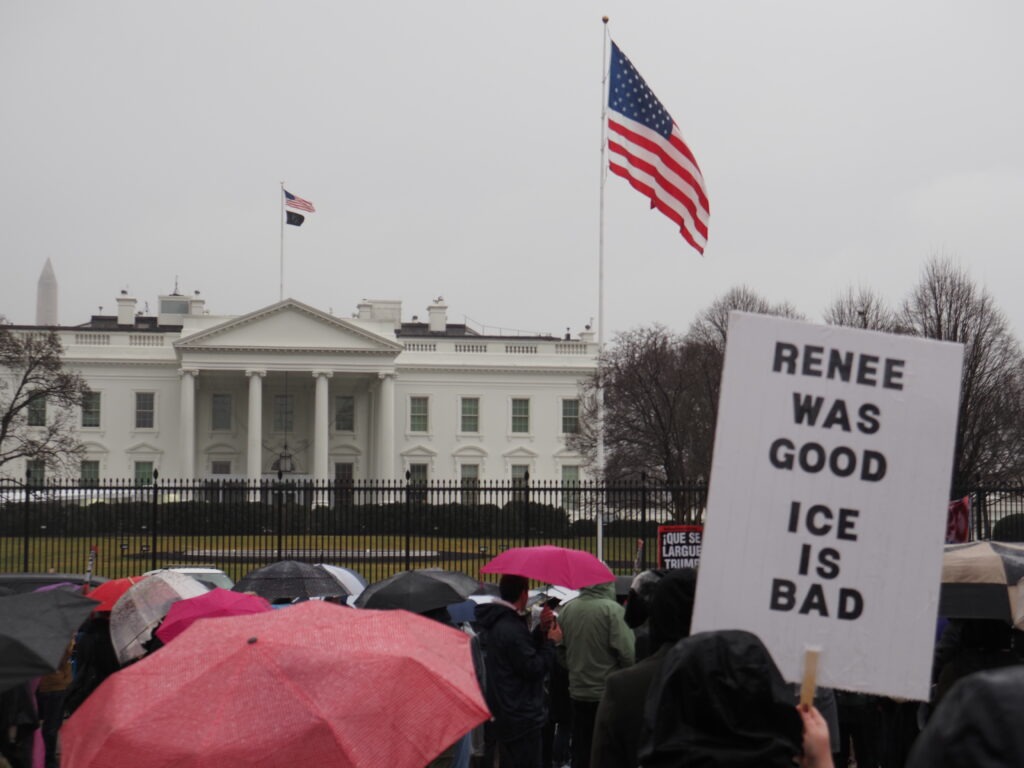
On January 7, 2026, a 37-year-old Minneapolis woman, Renee Nicole Good, was shot and killed by an ICE officer while she sat inside her car. Federal officials quickly framed the encounter as self-defense, even calling it “domestic terrorism,” but local leaders pointed to video that appears to show Good trying to back away. Minnesota’s Bureau of Criminal Apprehension later said it withdrew from the investigation after the FBI and U.S. Attorney’s Office cut state investigators off from evidence and interviews.
If this were a one-off tragedy, you could file it under the grim category America already knows too well: a killing in a confusing moment, followed by a fight over facts and accountability.
But the Good shooting sits in a larger pattern that raises a harder question: What, exactly, is ICE protecting, and who is it protecting it from?
The ProPublica finding that should stop you cold
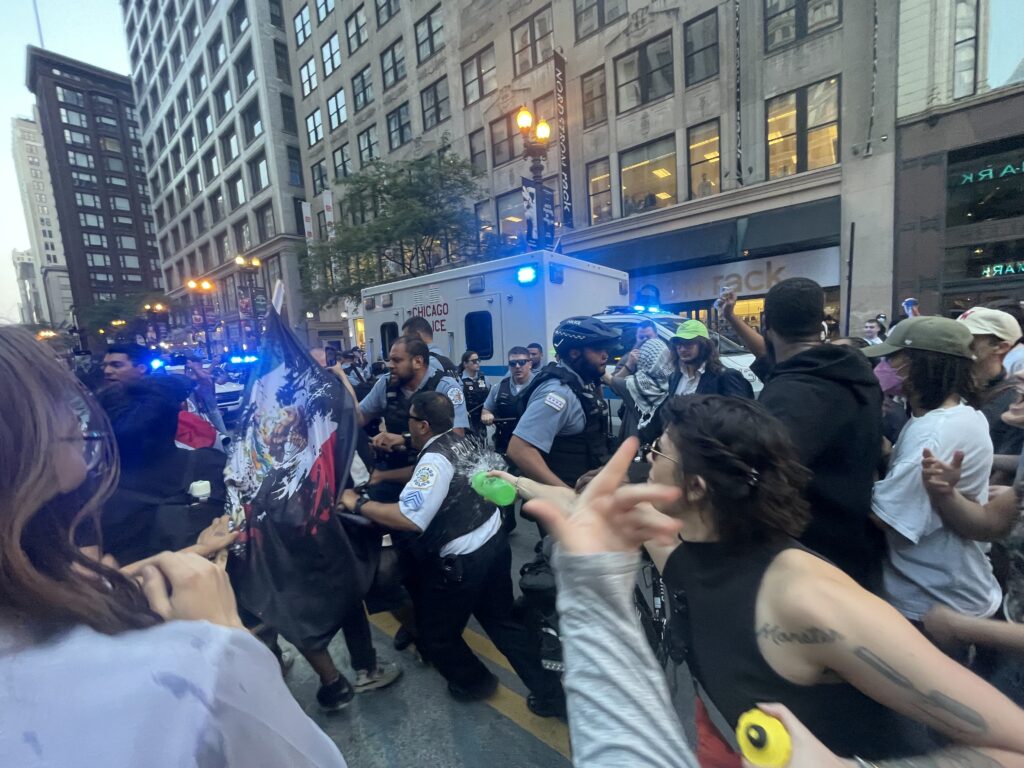
The U.S. government does not even track how often immigration agents detain U.S. citizens. So ProPublica built its own count. It found more than 170 cases in 2025 where U.S. citizens were held by immigration agents, including people detained during raids and protests. More than 20 reported being held for over a day without being able to call loved ones or a lawyer.
That matters for a basic reason: ICE’s core domestic power is built on fast action with low friction. Stops. Demands. Detention. A system that can move first and verify later will inevitably hurt the wrong people. The only real policy question is how often, how badly, and whether the institution is structured to learn from it.
ProPublica’s reporting prompted a Senate Democrats’ investigation that documented accounts from nearly two dozen citizens describing immigration officers who dragged them from cars, used excessive force, denied medical care, ignored proof of citizenship, concealed identifying information, and made claims of assault that fell apart when video emerged.
So this is not just a “mistakes happen” story. It is a story about a system that keeps producing the same kind of mistake. An agency that repeatedly sweeps up citizens is not protecting the public, and that is exactly why we should abolish ICE.
What ICE says it is, and what it has become
ICE describes its mission as protecting America through criminal investigations and enforcement of immigration law, tied to public safety and national security.
In practice, ICE functions as two very different machines under one brand:
- Enforcement and Removal Operations (ERO): the arrest, detention, and deportation arm inside the United States.
- Homeland Security Investigations (HSI): a criminal investigative arm that works cases like trafficking, smuggling, and fraud.
That pairing is part of the problem. When a single agency mixes civil immigration enforcement with criminal investigative identity, it becomes easier to justify aggressive tactics as “public safety,” even when the underlying authority is civil, discretionary, and often triggered by appearance, language, or proximity to a target.
That gap between stated mission and lived reality is the center of the case to Abolish ICE.
ICE was created in 2003, in the post-9/11 reorganization of federal agencies. It was born in an era that rewarded anything labeled “homeland security” with money, deference, and expanded power.
Two decades later, we have an agency that repeatedly shows signs of what happens when interior enforcement becomes its own mission: more raids, more confrontations, more fear, and more citizens caught in the gears. That is why the case is no longer about reform. This is why we should abolish ICE.
“We can’t investigate if we don’t get access”
One of the most revealing details in the Minneapolis case is not the political messaging. It is the process.
Minnesota’s BCA said it could not conduct a use-of-force investigation because federal authorities would not provide full access to evidence, witnesses, and information. The BCA offered limited help preserving evidence and said it remained open to a full investigation if federal officials changed course.
That is the accountability gap in one paragraph:
- A federal officer kills a citizen.
- Federal authorities control the investigative channel.
- State investigators say they cannot meet the public standard without access.
Even if you think the shooting was justified, that structure should worry you. Democratic policing relies on an independent review that the public trusts. When the system routes scrutiny back through the same federal pipeline that needs defending, the public is asked to accept conclusions without confidence in the process.
When the public cannot audit a killing because evidence stays locked inside federal channels, the institutional answer is structural: Abolish ICE.
[Jonathan Ross, Public domain, via Wikimedia Commons]
Why abolish ICE and not reform it?
People often jump straight to “better training” or “more oversight.” Those fixes assume the institution’s core job is legitimate and its failures are bugs.
The reporting suggests something worse: the failures are features of the design.
Here is what the design rewards:
- Speed over certainty: detain now, verify later. ProPublica found repeated citizen detentions, and the Senate report describes citizens held far longer than the “brief stop” theory some officials invoke.
- Force in civil contexts: the Senate report documents excessive force, denial of medical care, and violent reactions to people filming in public.
- Opacity: masked agents, unmarked vehicles, and refusal to provide identifying information, which the Senate report flags as a recurring pattern that generates fear and confusion.
- Narrative control after harm: in Minneapolis, top officials publicly labeled the act “domestic terrorism” almost immediately, before an investigation could establish facts.
Reform tries to sand down the edges. Abolition recognizes that the edge is the product.
If an agency’s routine work predictably includes detaining citizens, escalating against observers, and operating with weak external accountability, then the public is not being “protected.” The public is being managed.
Reform assumes the failures are exceptions; the pattern suggests the safer conclusion is to abolish ICE.
What replaces ICE without “open borders”
The argument to abolish ICE does not mean abandoning immigration law. It means ending the existence of a large, interior, paramilitary-style federal agency whose daily incentives produce constitutional collisions.
A serious replacement plan could look like this:
- A civil immigration compliance agency without an arrest-first culture
Make immigration status resolution primarily paperwork, courts, and scheduled compliance, not surprise raids. - Move HSI’s core criminal investigations to the DOJ
Cases like trafficking and large-scale fraud are not inherently “immigration” work. They are criminal work. Put them under normal criminal-justice oversight and norms. - Strict limits on detention
Detention should be rare, time-limited, and judge-supervised. If huge new funding streams expand detention capacity, the incentives tilt toward filling beds, not solving cases. - Clear rules for identification and recording
If agents act in public, the public has a right to know who they are and to film them, within reasonable safety limits. The Senate report’s repeated accounts of concealed identity are the opposite of democratic enforcement. - Independent investigations by default after serious force
Minneapolis is exactly why. If state partners cannot access evidence, public trust collapses.
If public safety is the goal, the most honest path is to move the work into accountable structures and abolish ICE as we know it.

The counterargument, and why it fails
Supporters of ICE will say: there are real threats, real smugglers, real violent offenders, and immigration laws that need enforcement.
All true.
But it does not follow that the United States needs this agency, with this structure, operating this way. When an institution’s normal operation repeatedly harms citizens and then struggles to submit to independent scrutiny, it is not a tool of protection. It is a liability.
The question is not whether immigration enforcement exists. The question is whether the United States should maintain an agency that keeps producing stories like Minneapolis and the 170-plus citizen detentions, then asks the public to treat the outcome as acceptable collateral.
At some point, “reform” becomes a way to postpone the obvious conclusion.
The U.S. should abolish ICE because its core operating model is incompatible with public trust, constitutional policing, and basic democratic accountability.