
Trump’s “Board of Peace,” Explained
A Gaza oversight body with a UN resolution behind it, and a pay-to-join charter draft that has allies asking a blunt question: Is Trump’s ‘Board of Peace’ about peace-making, or a parallel world order?
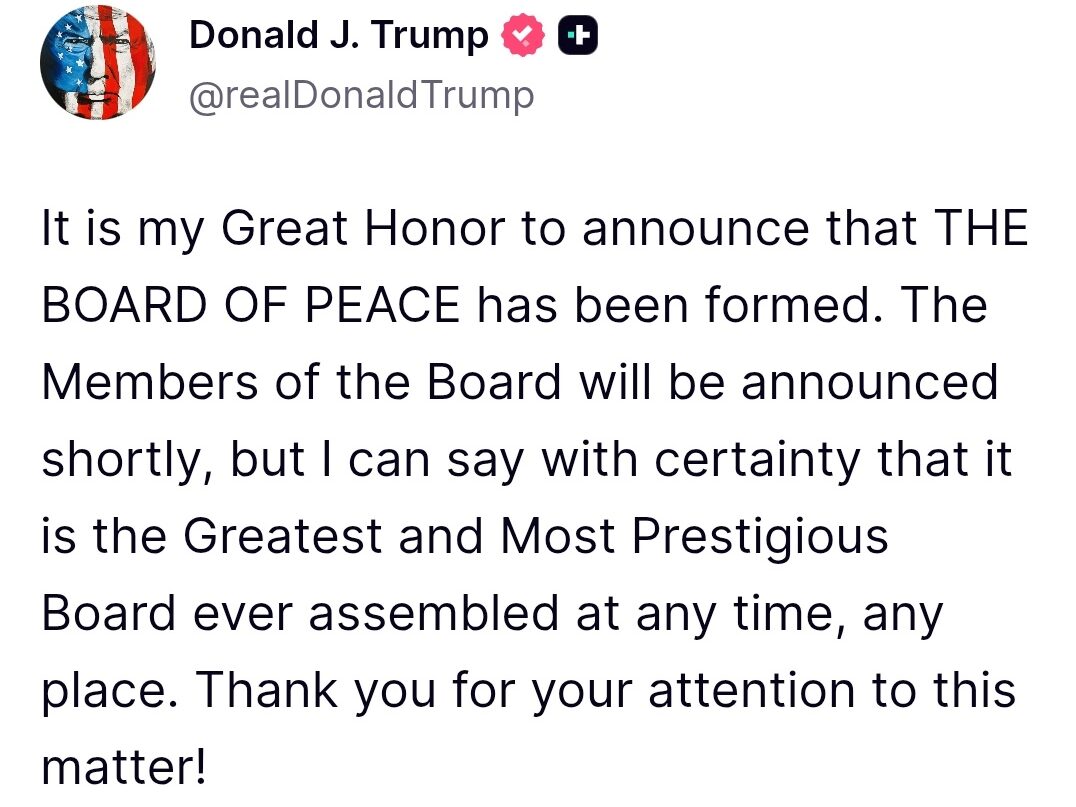
On a cold January morning, a European diplomat scanned a new U.S. letter about Gaza reconstruction that was circulating quietly through capitals and delegations ahead of the World Economic Forum in Davos, Switzerland. The pitch sounded familiar: a coalition of States, called the ‘Board of Peace,’ dedicated to ending the fighting in Gaza, holding the ceasefire, rebuilding what was destroyed.
Then the document hit the line that made people sit up.
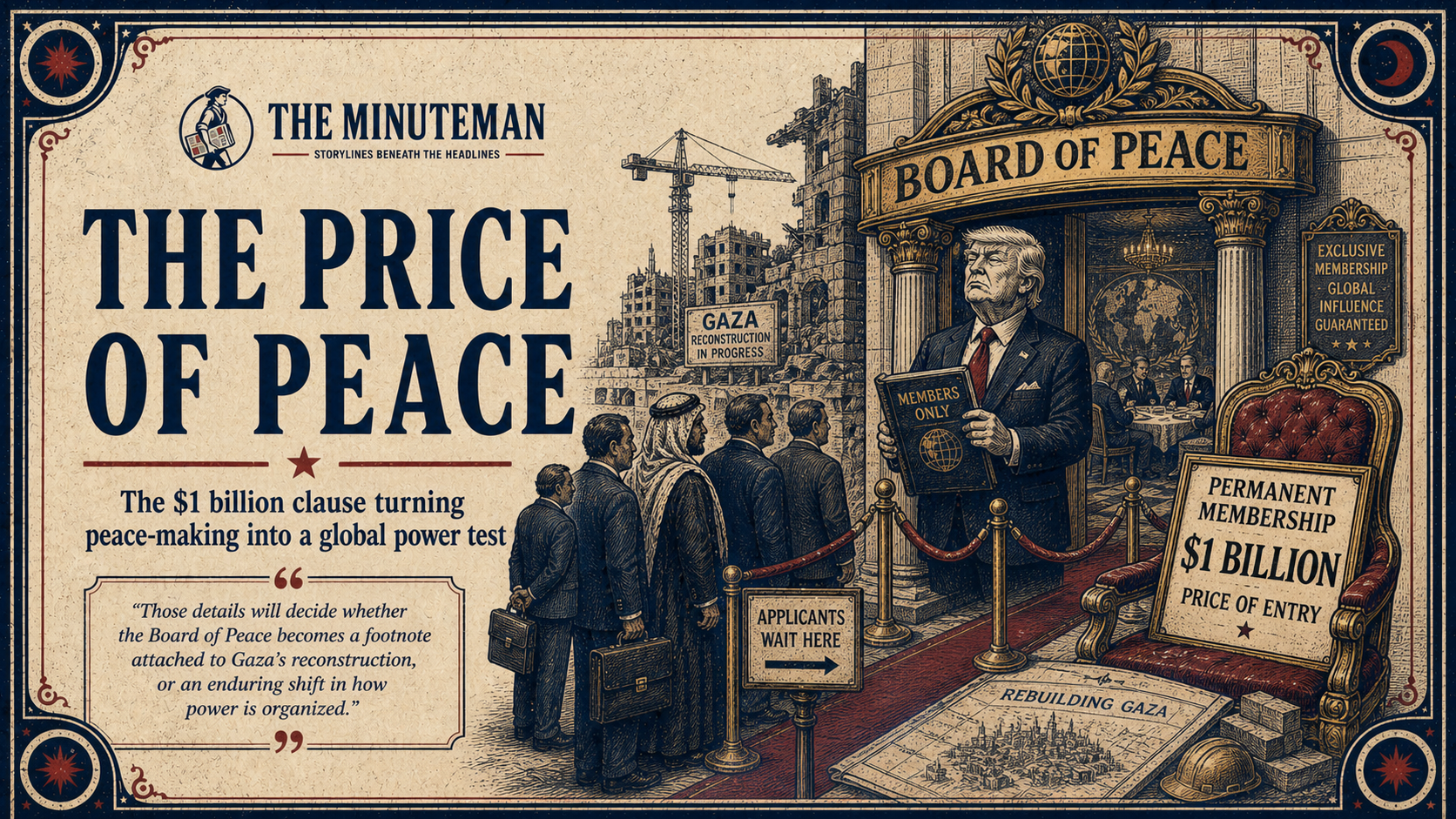
Join Trump’s Board of Peace for a three-year term, or pay $1 billion for permanent membership.
That single clause is why “Trump’s Board of Peace” moved from a Gaza-specific mechanism into something larger and more volatile. It is now being discussed not only as a way to oversee a ceasefire and reconstruction, but as a rival concept to the UN-centered system that has structured international security since 1945.
What happened, and why it matters now
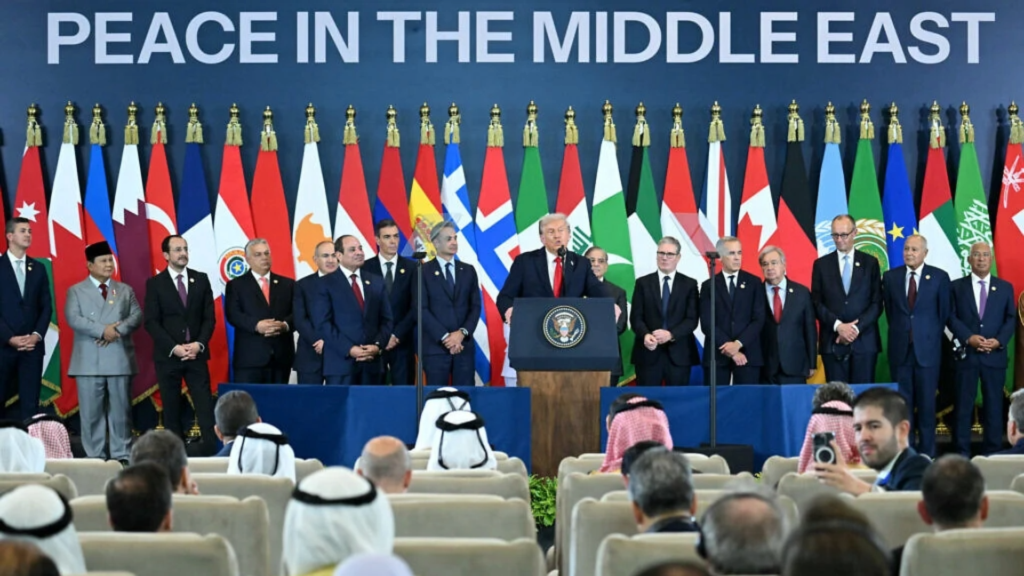
President Donald Trump proposed a “Board of Peace” in 2025 as part of a plan tied to ending the Gaza war and managing the transition that would follow. The UN Security Council later adopted Resolution 2803 (2025), which endorses the Gaza plan and “welcomes the establishment of the Board of Peace” as a transitional administration with international legal personality.
In January 2026, the White House began publicly framing the Board as a central oversight mechanism for implementing the Gaza plan.
At the same time, reporting from Reuters and AP describes a broader invitation effort and a draft charter that would expand the Board beyond Gaza to other conflicts. That is the inflection point. A body created for one post-war transition becomes, in the telling, a standing platform for global conflict arbitration.
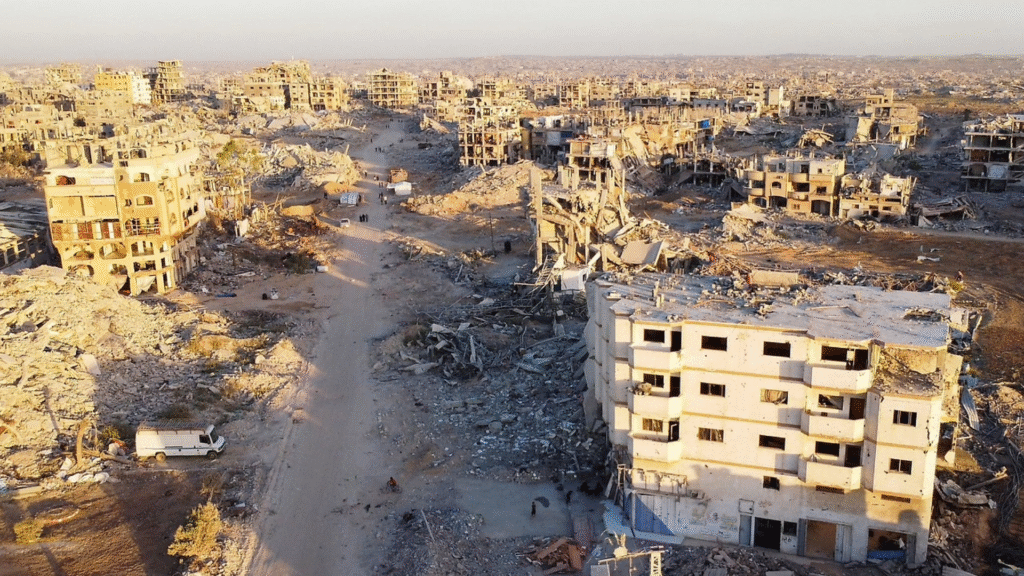
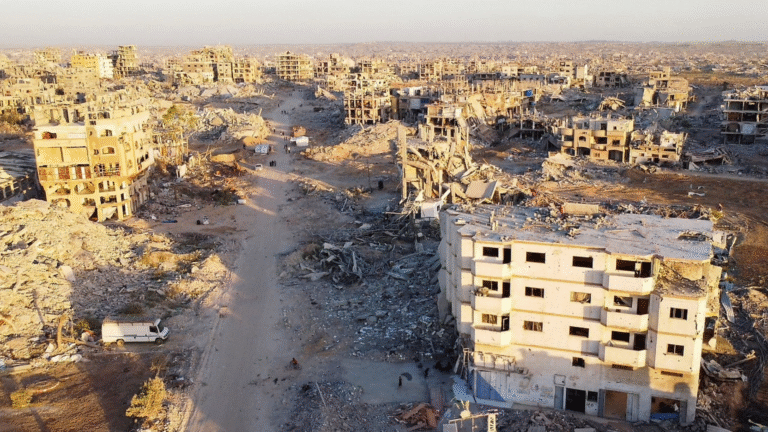
Gaza reconstruction [CBS News]
What the Board of Peace is supposed to be
At its narrowest, the Board is an international structure meant to oversee the transition from war to ceasefire enforcement, reconstruction, and governance arrangements in Gaza. That is the frame embedded in Resolution 2803 and in UN press materials describing post-conflict stabilization elements, including a temporary international stabilization force authorized in connection with the plan.
At its broadest, the Board is being presented as an umbrella that can be applied to other conflicts, which is why leaders and diplomats are weighing whether joining is a one-off Gaza decision or a precedent with global implications.
The structure, as described in the reporting
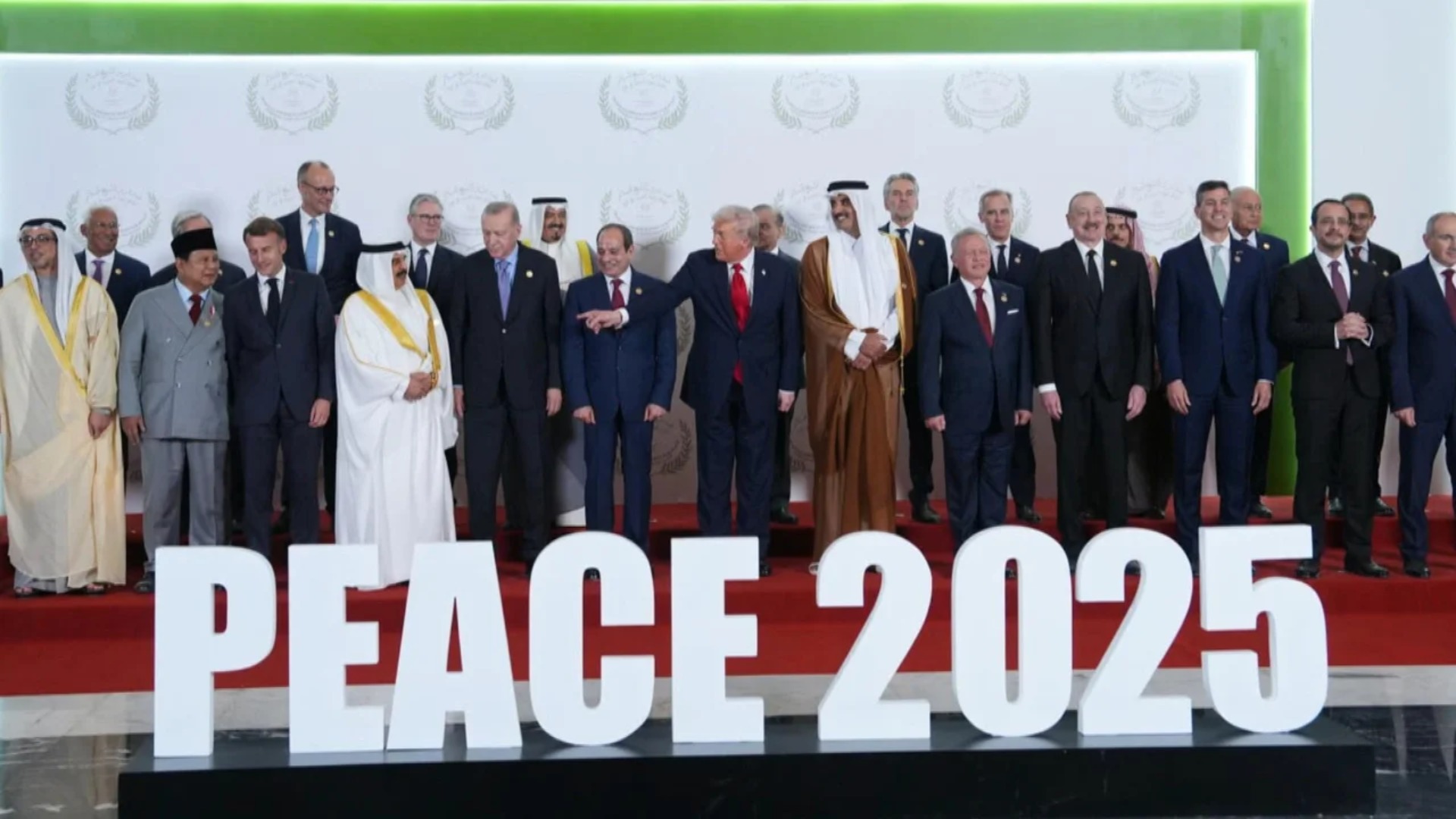
AP describes two major subsidiaries under the Board:
- A founding executive board that includes high-profile political figures, including Secretary of State Marco Rubio, envoy Steve Witkoff, Jared Kushner, and Tony Blair.
- A Gaza Executive Board focused on ceasefire implementation and reconstruction.
Reuters reporting on the invitation effort describes the White House naming itself and key figures in the structure, and notes that more members would be announced.
The crucial point is not the org chart. It is the concentration of authority at the top and how membership is set.
The clause that changed everything: the $1 billion seat
Reuters reports that a draft charter would limit states to three-year terms unless they pay $1 billion, which would grant permanent membership.
AP similarly reports that permanent membership is offered to nations contributing over $1 billion, and that the draft charter gives Trump significant control over membership and operations.
ABC News reports an official describing the $1 billion contributions as voluntary and raises questions about Trump potentially chairing the Board for life.
Even if the language changes, the initial draft has already done its work. It has forced governments to treat the Board not as a technical instrument for Gaza, but as a model of governance, where money and permanence are linked.
Who is joining, and who is backing away
Membership is fluid, and public confirmations vary by country. Still, the outlines are visible.
AP reports that Israel, UAE, Argentina, Vietnam, and Hungary have agreed to join, while Norway, Sweden, and France have declined, citing concerns about the Board supplanting existing international frameworks.
Reuters reported this week that Belarus’s Alexander Lukashenko signed an agreement to join, a decision that drew attention because of Belarus’s history of isolation and human rights controversies, and because it signaled a shift in U.S.-Belarus relations.
The split is not only geographic. It is conceptual.
Some governments appear to see a Gaza-specific oversight body as a pragmatic tool. Others see a new legitimacy test forming, one that could pull diplomacy out of UN channels and into a forum chaired and structured by the United States.
A representative of the Russian Federation — whose delegation abstained from the vote on UN approval for the Board of Peace — stressed that the resolution “could actually transform [participating countries] into a party to the conflict”. He underscored: “The main thing is that this document shouldn’t become a fig leaf for unbridled experiments conducted by the United States and Israel in the Occupied Palestinian Territory.” And recalling the Council’s “unfortunate experience of seeing solutions to the Israeli-Palestinian conflict — pushed through by the United States — bringing about the opposite result of what was intended”, he concluded: “Don’t say we didn’t warn you.” – UN Meetings Coverage
What power does the ‘Board of Peace’ actually have?
This is where the story is still unfinished.
Resolution 2803 gives the Board a formal place in the Gaza transition framework, and describes it as a transitional administration with international legal personality.
But a UN “welcome” is not the same thing as a standing enforcement mandate, and the reporting to date leaves major questions unanswered about what the Board can compel, how disputes are resolved, and how it interacts with existing institutions.
Legal analysis from the American Society of International Law describes Resolution 2803 as constructing a post-conflict framework for Gaza with the Board as one pillar, while also highlighting the complex accountability questions that follow from a transitional administration model.
The practical reality is that enforcement still depends on states, money, and legitimacy. The Board is, at minimum, a powerful convening mechanism. Whether it becomes a lasting instrument of coercion or coordination depends on how it is implemented and who treats it as binding.
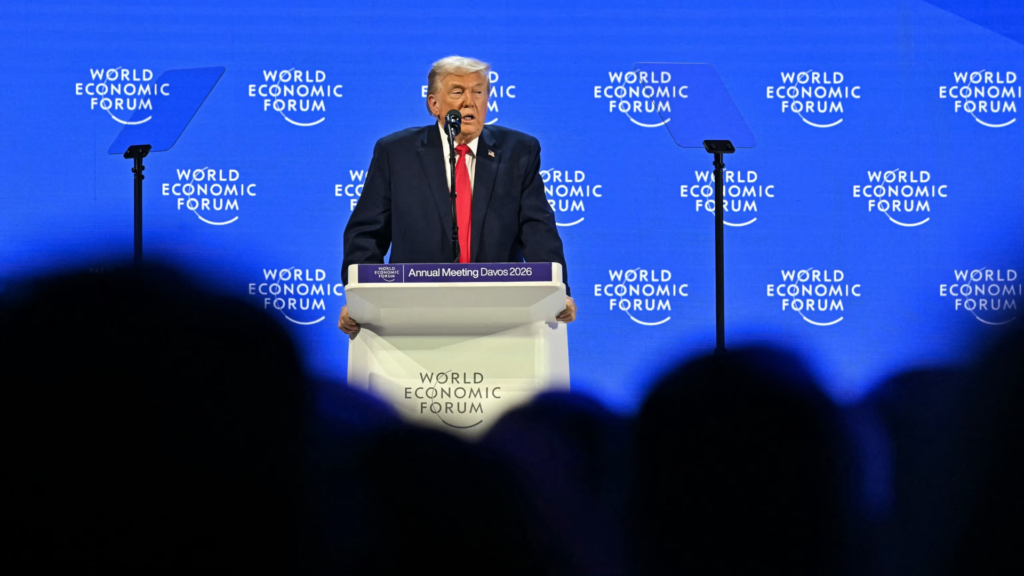
The Davos effect, and why the timing matters
The Board of Peace is being discussed in the same week that Trump’s envoys are conducting high-stakes diplomacy around Ukraine.
Reuters reports that envoy Steve Witkoff said he would meet Vladimir Putin, and suggested Putin had been invited to join the Board of Peace.
That matters because it illustrates the Board’s emerging pitch: not only Gaza, but Ukraine, and potentially any conflict where the chair can bring adversaries into the same room and claim a deal framework.
It is a theory of peace-making built around a centralized broker.
Competing explanations: what supporters and critics think this is
Two interpretations can both be true at once.
The supporter case: the UN system is slow, consensus is hard, and ceasefires fail when no one is clearly responsible. A Board that can mobilize money, keep pressure on parties, and coordinate reconstruction could, in this view, prevent Gaza from sliding back into war. The White House statement frames the Board of Peace as strategic oversight and accountability for implementing the Gaza plan.
The critic case: a peace body that appears to sell permanence and concentrate authority in one chair undermines legitimacy. It risks becoming a parallel structure that weakens existing multilateral constraints, especially if powerful states can buy permanent influence while others rotate out.
The $1 billion clause is why critics talk about “pay-to-join,” not peacekeeping.
What we still do not know
If you are trying to understand what the Board of Peace will become, these are the gaps that matter most:
- Final charter language: multiple outlets describe a draft, but the binding version, if any, may change.
- Enforcement tools: what happens if a member state violates a Board-backed agreement.
- Accountability: how decisions are reviewed, and by whom, especially when the Board’s actions affect civilian governance and reconstruction.
- Relationship to the UN: is this a Gaza-specific transitional mechanism nested in a UN framework, or an alternative platform meant to bypass UN deadlock.
Those details will decide whether the Board of Peace becomes a footnote attached to Gaza’s reconstruction, or an enduring shift in how power is organized.
Timeline
- Nov. 17, 2025: UN Security Council adopts Resolution 2803 (2025), welcoming the Board of Peace as part of the Gaza transition framework.
- Jan. 17–21, 2026: The White House and U.S. envoys expand the public pitch, as reporting describes invitations beyond Gaza and a draft charter with the $1 billion permanent seat concept.
Bottom line
The Board of Peace is two things at once.
It is a UN-recognized transitional framework component for Gaza, anchored in Resolution 2803.
It is also being marketed as a Trump-chaired platform that could extend into other conflicts, with a draft charter concept that ties permanent membership to $1 billion contributions.
If the Board becomes a legitimate tool for stabilizing Gaza, it will be because it delivers security and reconstruction with credible constraints. If it becomes a flashpoint, it will be because the world reads it as a new table where access and permanence can be priced.
Either way, the argument is not really about a new board.
It is about what kind of international order comes next, and who gets to write its rules.


This is incredibly insightful
Thanks for consistently delivering such valuable content to our entire community 😄