-
-
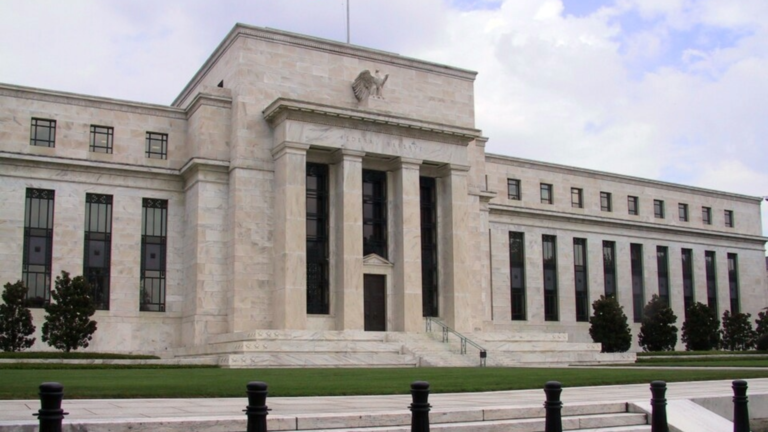
What a Fed Interest Rate Cut Means: Risks and Rewards for Borrowing, Markets, and Your Wallet
When the Federal Reserve cut interest rates by 25 basis points, it wasn’t just a financial headline — it was a shift that will ripple through borrowing, spending, markets, and the broader economy. Understanding how and why rates move reveals who benefits, who feels the squeeze, and how these subtle changes steer the nation’s economic future.
-
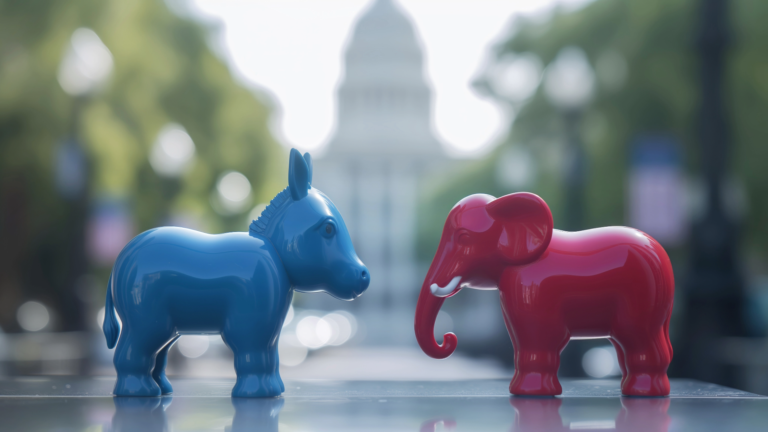
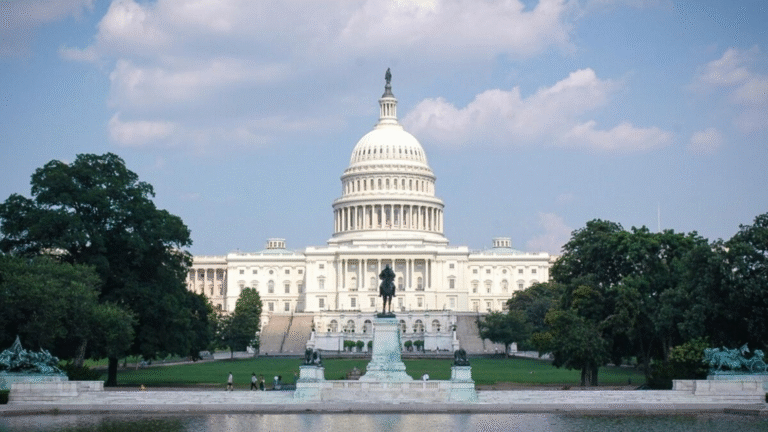
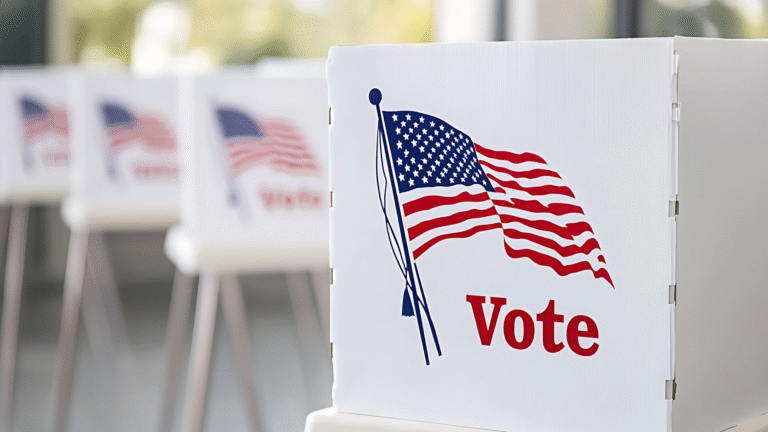
Redistricting and Gerrymandering: How Drawing Lines Shapes—and Distorts—American Democracy
Every decade, political maps quietly reshape who holds power in America—often long before a single vote is cast. As new court battles, shifting demographics, and precision-engineered districts redefine the 2026 landscape, the fight over where the lines are drawn may matter more than the elections themselves.
-
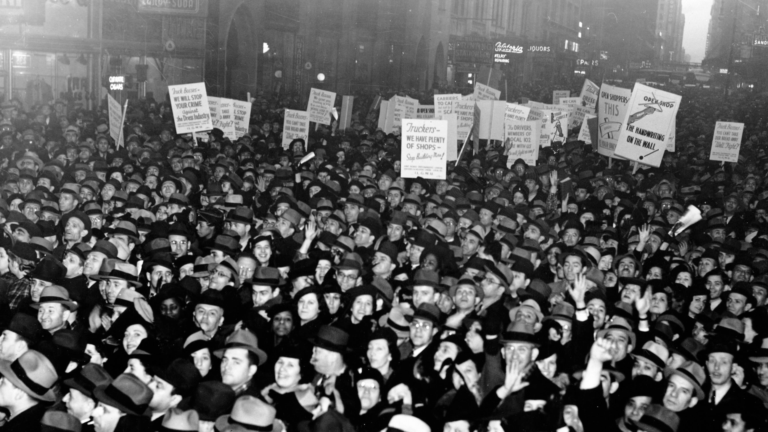
How Labor Unions Changed Work in America
From deadly factory fires to Hollywood walkouts, American unions have long been at the heart of battles over what work is worth and who gets a say. This story follows their rise, the protections they helped win, the forces that weakened them, and why workers and employers are still clashing over organized labor’s future.
-
-
-
-
The Shutdown Fight Over ACA Subsidies: What’s at Stake for 2026 Premiums, Enrollment, and State Budgets
A weeks-long government shutdown has thrown America’s health coverage into turmoil. At the center of the fight: enhanced ACA subsidies that keep premiums affordable for 24 million people. With open enrollment already underway and no deal in sight, millions could soon face skyrocketing costs—and a crisis that reaches far beyond Washington.
-
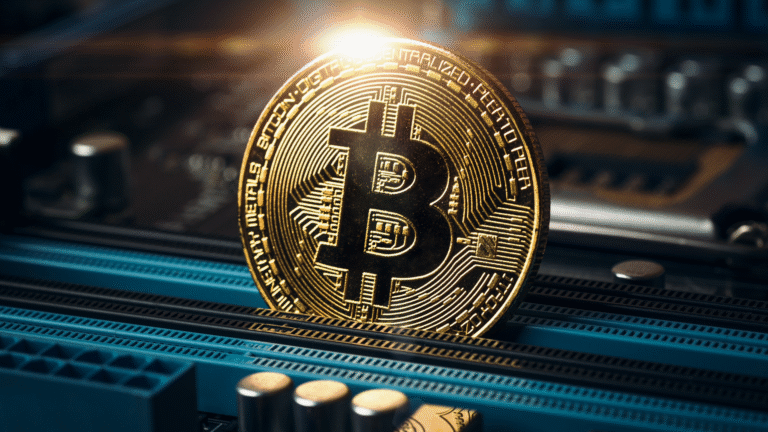
Cryptocurrency Boom, Collapse & Regulation: What You Must Know in 2025
Cryptocurrency promised a revolution—money without banks, code without borders, freedom from middlemen. Instead, it delivered one of the most dramatic boom-and-bust cycles in modern finance. From billion-dollar collapses like FTX and Terra to new global regulations reshaping how tokens work, crypto’s story has evolved from wild speculation to cautious rebuilding.
-
Deferred Prosecution Agreements: How Corporations Avoid Prosecution—and Why It Matters
Deferred Prosecution Agreements—known as DPAs—were meant to help small, first-time offenders get a second chance. Instead, they’ve become the corporate world’s ultimate loophole. From GM’s deadly ignition switches to HSBC’s cartel money laundering and Boeing’s fatal aircraft failures, this investigation explores how billion-dollar companies repeatedly avoid prosecution, pay manageable fines, and move on—while victims are left without justice.
-
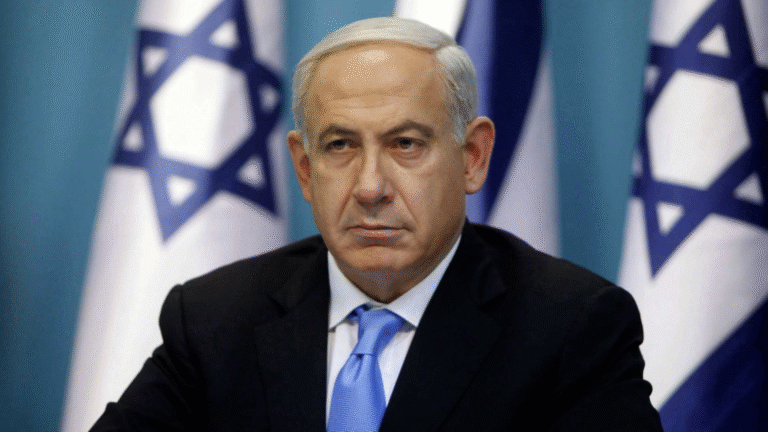
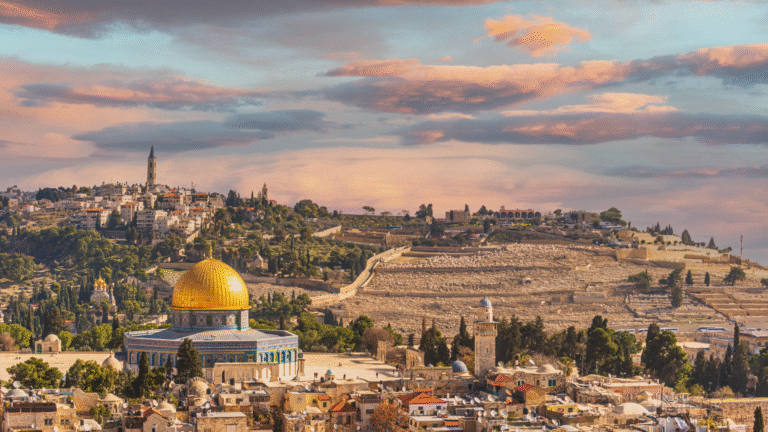
Benjamin Netanyahu: Israel’s Longest-Serving Prime Minister and the Cost of His Power
Benjamin Netanyahu has ruled Israel longer than anyone in its history — but his relentless grip on power has come at a staggering cost. From corruption scandals and alliances with extremists to the devastating Gaza war that’s left tens of thousands dead, this in-depth report traces how one man’s pursuit of survival has reshaped Israel’s democracy, its global standing, and the future of the Middle East.
-
Air Traffic Crisis: The Aging System Keeping Our Skies Safe—For Now
America’s skies are safe—but barely. Behind every flight is a shrinking, overworked force of air traffic controllers using outdated equipment, crumbling towers, and even parts bought on eBay to keep planes from colliding. This story exposes how chronic understaffing, decades of neglect, and stalled modernization have pushed the nation’s air traffic control system to its breaking point.
-
-
-
-
-
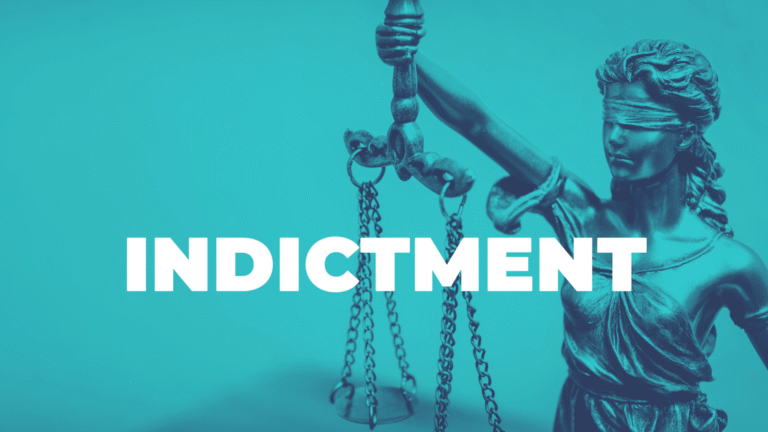
Indictments: The Legal Process and Its Implications
An indictment is a cornerstone of the criminal justice process, representing the formal accusation that a person has committed a serious crime. While the concept is simple—charging someone officially—it has deep historical, constitutional, and procedural significance. This deep dive explores the evolution, process, and impact of indictments in both state and federal systems.
-