-
-
-
-
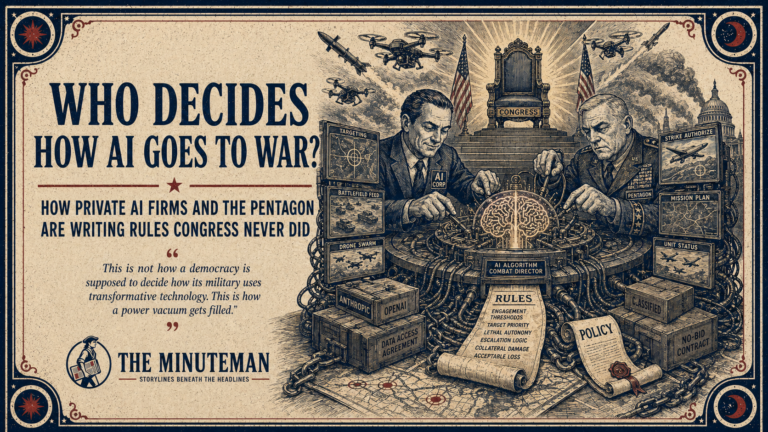
Who Decides How AI Goes to War? Right Now, Nobody You Elected.
On February 27, 2026, the Pentagon blacklisted Anthropic for refusing to give the military unrestricted access to its AI. Hours later, OpenAI signed a deal on nearly identical terms. The media wants you to pick a hero and a villain. But the real story isn’t about which company is right. It’s about why two private companies were negotiating the rules of AI in warfare at all, and where Congress has been while the most powerful technology since nuclear energy gets handed to the most powerful military on earth with no binding laws governing how it’s used.
-
International Women’s Day Began as a Fight for Power. In a Time of War, It Could Be One Again
International Women’s Day did not begin as a feel-good celebration. In the United States and abroad, it grew out of labor struggle, demands for political power, and, during World War I, resistance to armed conflict and the systems that fueled it. As conflict again deepens in the Middle East, that history reminds us that celebrating women has often meant also recognizing their role in resisting violence, demanding peace, and challenging the forces shaping the world around them.
-
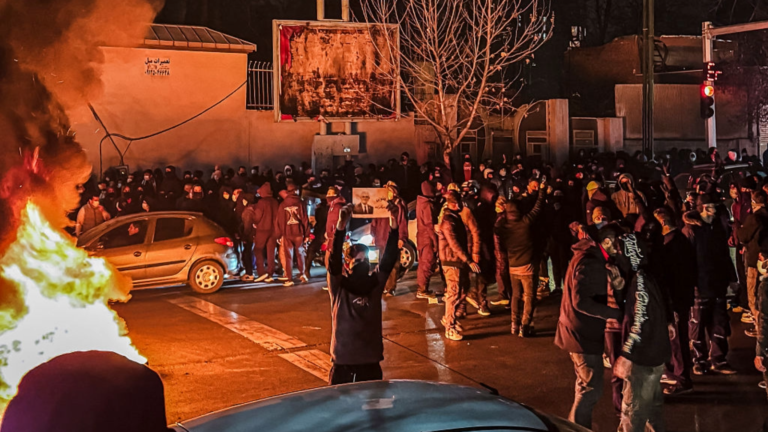
Iran in 2026: The currency crash, the uranium clock, and the thin line between a deal and a war
Gunfire at a mourning ceremony. A currency that can lose credibility overnight. A nuclear program that has turned diplomacy into a countdown. Iran is slipping into a moment where every lever of pressure is being pulled at once, and each move carries the risk of lighting the next fire. As protests flare and the state responds with force, Washington weighs strikes, Tehran hardens its stance, and the world is left staring at a single, terrifying question: which breaks first, the talks, the regime, or the region?
-
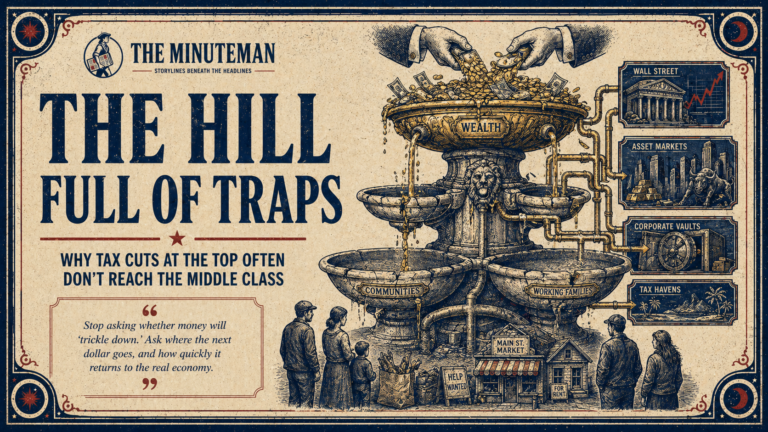
The Myth of Trickle-Down Economics: Why the Next Dollar Doesn’t Reach the Middle Class
Cut taxes at the top, the argument goes, and the benefits will flow down through investment, jobs, and higher wages. Everybody wins. But the economy does not run on promises. It runs on what people do with the next dollar. That is what “marginal propensity to consume” really means. When a family living close to the edge gets an extra thousand dollars, it tends to become tires, groceries, a dentist appointment – in other words, it becomes a paycheck for another person. When a household that is already comfortable gets that same thousand, it is more likely to become savings. The money does not vanish. It just takes a route that does not have to pass through a local cash register.
-
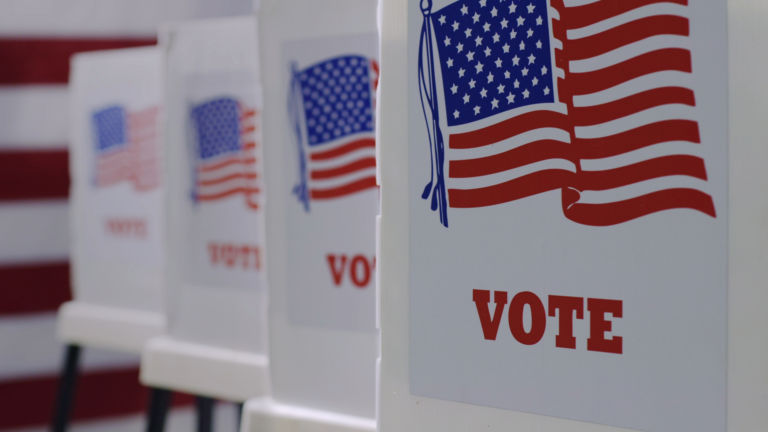
Noncitizen Voting: Two Votes in New Jersey, and the Myth of a Stolen Election
Two Bergen County ballots. That’s what federal prosecutors say this case comes down to: two men accused of casting votes in the 2020 election while not U.S. citizens, then later denying it all. The allegations are serious, and the potential prison time is real. But in a country that counted more than 150 million presidential votes, cases like this are how a sliver of reality gives oxygen to the myth that 2020 was stolen.
-
-
When the Labs Go Dark: What Scientific Research Actually Is — And Why Losing It Matters
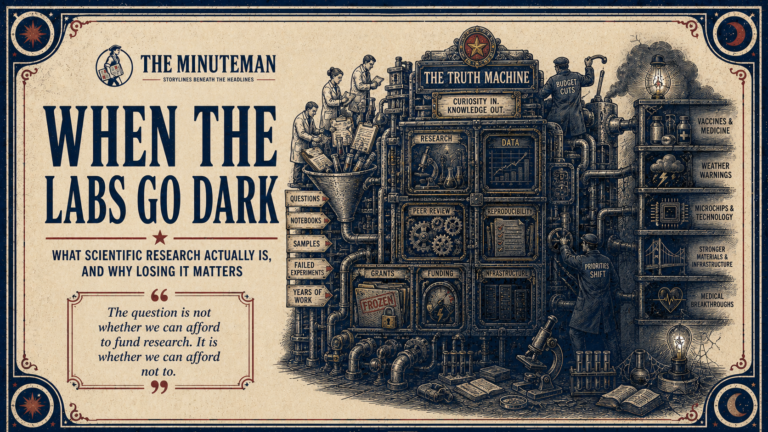
In late January 2025, a communications pause rippled through the National Institutes of Health and into the hidden machinery of American science, delaying reviews, stalling timelines, and forcing researchers to make decisions in the dark. Most of us only see research when it becomes a cure, a technology, or a warning that keeps us safe. This is the story of what research actually is, why it takes so long, and what quietly breaks when the system that produces truth is treated like a switch that can be flipped on and off.
-
Did Trump Save You Money in His First Year?
Steel prices jump in two weeks. A clinic shuts its doors. Washington calls it “savings.” But when the deficit shrinks because tariffs bring in record revenue and programs get cut, whose balance sheet improves, and whose gets crushed? In Trump’s first year, the federal ledger looked better on paper. For many families and small businesses, life got more expensive, more uncertain, and harder to navigate.
-
ICE and the Immigration Equation: How Targeted Priorities Can Restore Trust—and Strengthen a Country Built by Newcomers
The immigration system is strained—and how ICE enforces the rules can either build trust or deepen fear. Immigration can still be one of America’s biggest long-term advantages, but only if enforcement supports a credible, fair process. So what should ICE do to protect public safety and system integrity without undermining that advantage?
-
U.S.–Venezuela, Explained: A Dangerous Showdown Over Oil, Strikes, and the Law
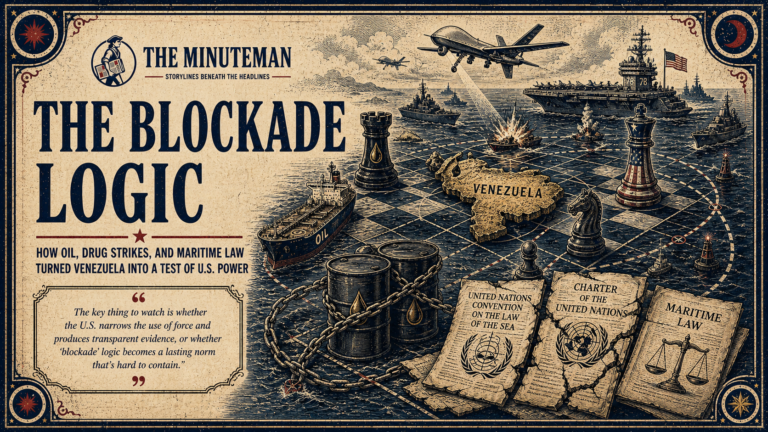
In late 2025, Venezuela is colliding with the United States in a confrontation that’s no longer just about sanctions and speeches—but oil tankers, lethal strikes, and accusations of “piracy” and unlawful killings. Here’s the full picture of how we got here, what the law actually says, and why the ripple effects could reach Americans through gas prices, migration pressure, and a dangerous new precedent at sea.
-
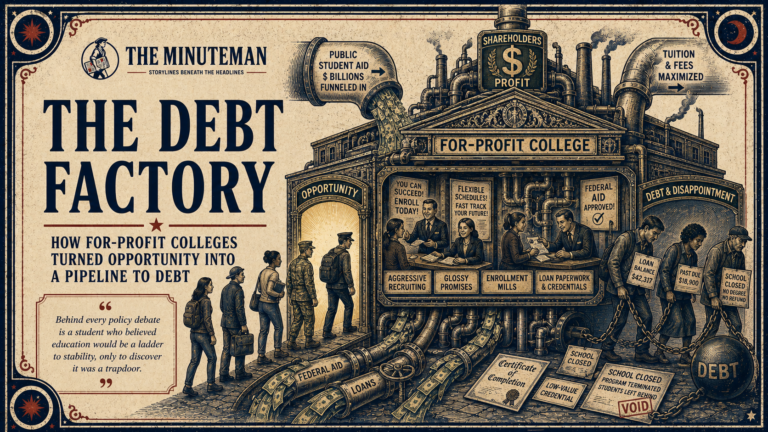
The For-Profit College Problem
For-profit colleges promise flexibility, fast credentials, and a path to better jobs—but for millions of students, the result has been debt without a degree and careers that never materialized. As regulators once again crack down on predatory practices, the question remains: how did a system meant to expand opportunity become one that so often leaves students worse off than before?
-
The Explosive History of the MAGA Slogan—America’s Most Divisive Battle Cry
The MAGA slogan didn’t begin with Donald Trump—but it’s under Trump that the MAGA slogan transformed from a campaign line into an identity, a movement, and a cultural fault line. This story traces who used it first, what they meant, and why calling for “great again” can also mean arguing over whose America counts.
-
-
-
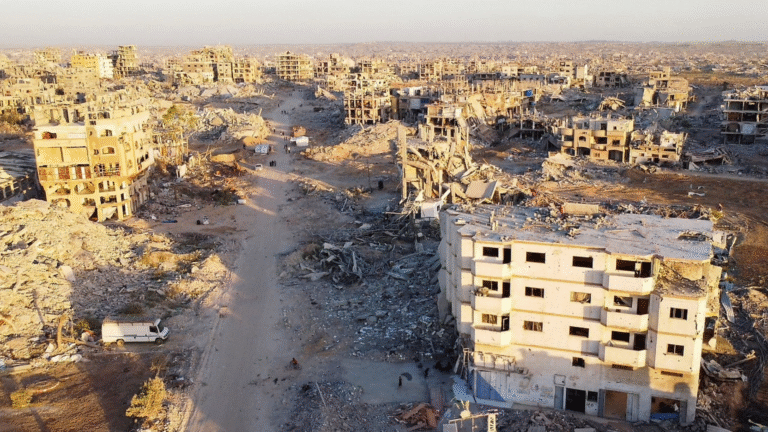
Israel-Hamas Ceasefire & the 20-Point Peace Plan
Israel and Hamas are living in a ceasefire that looks nothing like peace. One month after President Trump declared the war “over,” Gaza is still being hit by airstrikes, Israeli troops are digging in deeper, and the ambitious 20-point plan meant to reshape the territory has stalled at its very first step. Half of Gaza is now under Israeli military control, the other half is ruled by Hamas, and two million Palestinians remain trapped in a landscape of rubble, hunger, and uncertainty as winter approaches. What began as a pledge to usher in a “new era of peace” has instead exposed how fragile the agreement is—and how far the region still is from a real resolution.
-
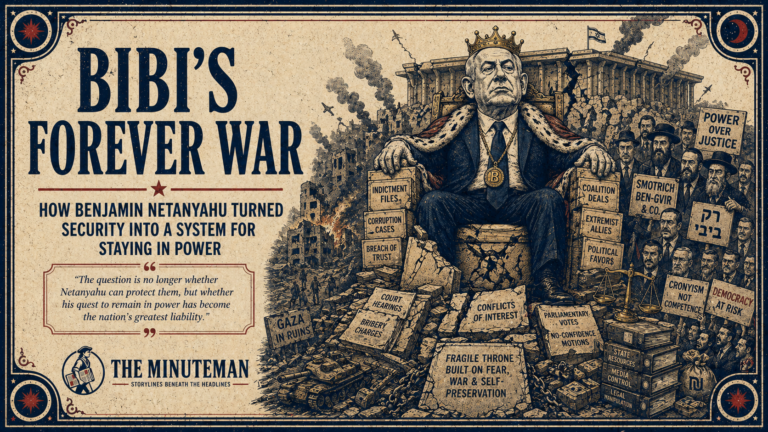
Benjamin Netanyahu: Israel’s Longest-Serving Prime Minister and the Cost of His Power
Benjamin Netanyahu has ruled Israel longer than anyone in its history — but his relentless grip on power has come at a staggering cost. From corruption scandals and alliances with extremists to the devastating Gaza war that’s left tens of thousands dead, this in-depth report traces how one man’s pursuit of survival has reshaped Israel’s democracy, its global standing, and the future of the Middle East.
-
-