-
-
They’re Not Hacking Your Computer. They’re Hacking You.
A worker in Hong Kong thought he was on a video call with his company’s CFO and colleagues. He was not. Every face and every voice had been generated by AI, and by the time the illusion broke, $25.6 million was gone. This is the new cybersecurity threat: not hackers breaking into your machine, but attackers learning how to manipulate the human being sitting in front of it.
-
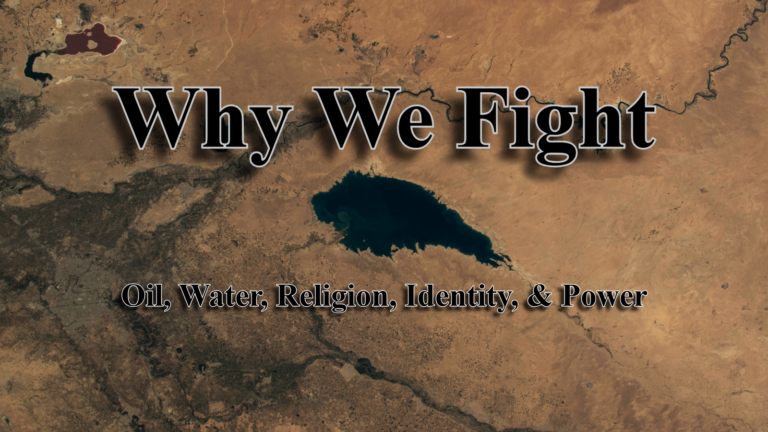
Why We Fight. The Middle East Conflict, Explained
The Middle East’s constant conflict isn’t an unavoidable clash of ancient religions. It’s a deliberate power play by authoritarian leaders who use oil wealth, water scarcity, and religious identity as tools to keep themselves in charge. The violence is not an accident of history. It is a business model.
-
-
Who Decides How AI Goes to War? Right Now, Nobody You Elected.
On February 27, 2026, the Pentagon blacklisted Anthropic for refusing to give the military unrestricted access to its AI. Hours later, OpenAI signed a deal on nearly identical terms. The media wants you to pick a hero and a villain. But the real story isn’t about which company is right. It’s about why two private companies were negotiating the rules of AI in warfare at all, and where Congress has been while the most powerful technology since nuclear energy gets handed to the most powerful military on earth with no binding laws governing how it’s used.
-
-
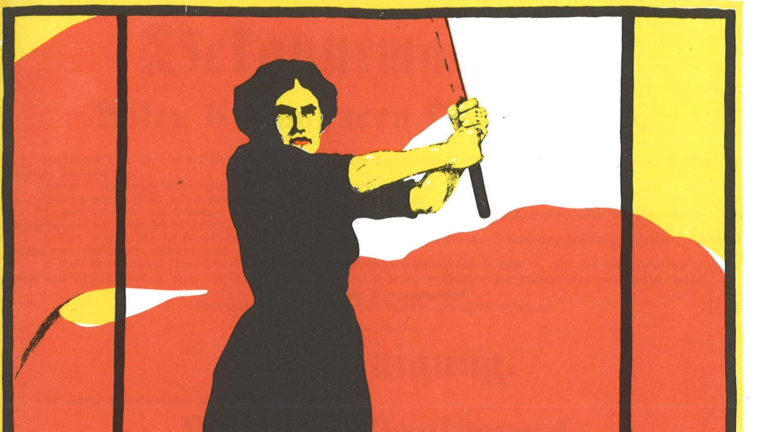
International Women’s Day Began as a Fight for Power. In a Time of War, It Could Be One Again
International Women’s Day did not begin as a feel-good celebration. In the United States and abroad, it grew out of labor struggle, demands for political power, and, during World War I, resistance to armed conflict and the systems that fueled it. As conflict again deepens in the Middle East, that history reminds us that celebrating women has often meant also recognizing their role in resisting violence, demanding peace, and challenging the forces shaping the world around them.
-
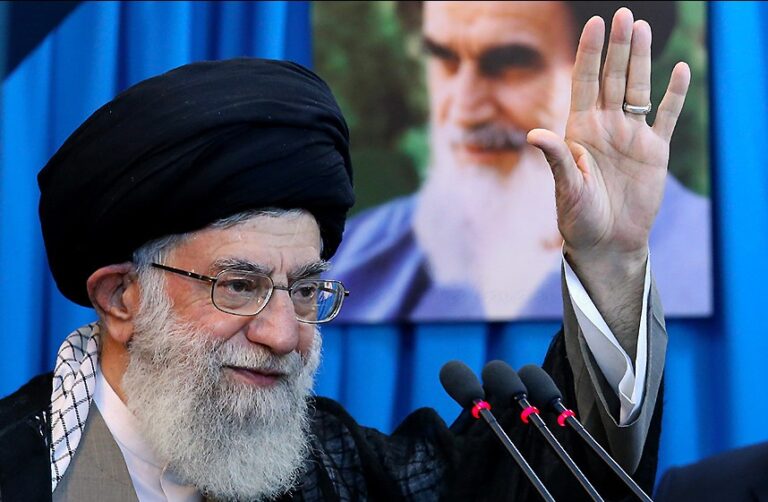
Who Was Ali Khamenei? How Iran’s Supreme Leader Built 37 Years of Absolute Power
For thirty-seven years, Ayatollah Ali Khamenei held absolute power over Iran — above its presidents, beyond its courts, untouched by the protests that shook his country again and again. He wasn’t a crude dictator. He was something more durable: a man who used the architecture of a republic as a filtering system to make sure real power never moved. On February 28, 2026, US-Israeli airstrikes killed him. But the machine he built is still running. This is the story of how he came to power, how he kept it, and what Iran faces now.
-
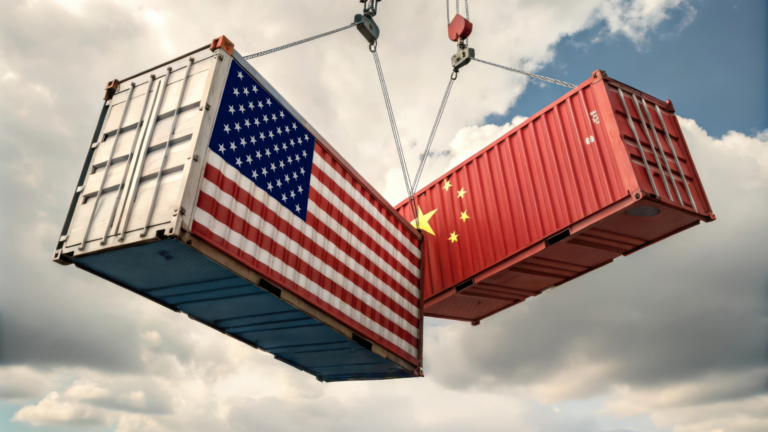
The Supreme Court Just Declared Trump’s Tariffs Illegal. So Why Is There Still a 15% “Global Tariff” on the Table?
The Supreme Court just blew up one of Trump’s biggest tariff weapons, ruling that his IEEPA “emergency powers” tariffs were imposed under the wrong law. Then came the whiplash: a newly announced global tariff that could reach 15%. If that sounds contradictory, it isn’t, at least not legally. Here’s what tariffs really are, which ones the Court struck down, how a president can still launch new ones, and why the fallout shows up in your prices, your job, and your ability to plan.
-
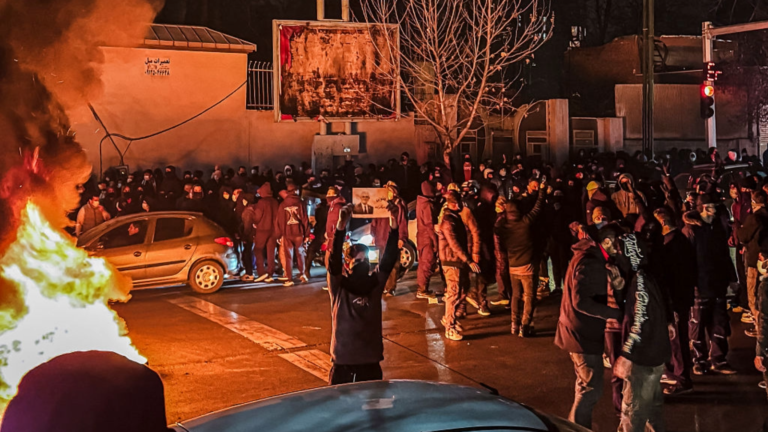
Iran in 2026: The currency crash, the uranium clock, and the thin line between a deal and a war
Gunfire at a mourning ceremony. A currency that can lose credibility overnight. A nuclear program that has turned diplomacy into a countdown. Iran is slipping into a moment where every lever of pressure is being pulled at once, and each move carries the risk of lighting the next fire. As protests flare and the state responds with force, Washington weighs strikes, Tehran hardens its stance, and the world is left staring at a single, terrifying question: which breaks first, the talks, the regime, or the region?
-
Rep. James Talarico vs. FCC Censorship: The Late Night TV Interview CBS Wouldn’t Air
CBS didn’t “ban” Stephen Colbert’s interview with Rep. James Talarico, but it wouldn’t air it either, citing FCC equal-time fears. That small decision exposes a bigger shift: late-night TV is suddenly being treated like campaign real estate, where a single guest can trigger legal blowback. Talarico, a fast-rising Texas Democrat with preacher-grade delivery and teacher clarity, became the test case. The real question is what happens to political speech when networks decide the safest move is silence.
-
Why The Economy Feels Broken: It’s Over-Financialized
A starter home is no longer just a starter home. It is a yield target. A hospital is no longer just a hospital. It is a balance-sheet play. Over-financialization is the quiet shift that turned the basics of life into tradable “assets,” rewarding extraction over creation and leaving the real economy thinner, pricier, and more fragile. This piece explains how we got here, who benefits, who pays, and what it would take to rebuild an economy that makes things again instead of just making fees.
-
How a Surveillance State Gets Built: Palantir, ICE, and Your Private Data
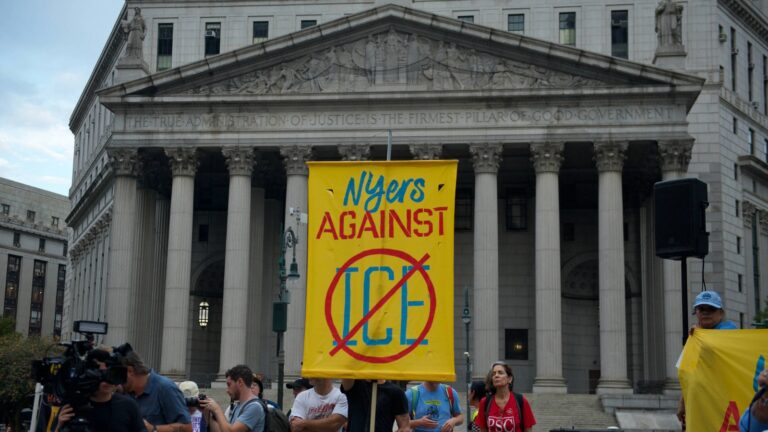
Your private data was never meant to become a map to your front door, but that’s what happens when government power meets private-corporation tooling built for speed and scale. Palantir helps ICE stitch together ordinary records, turn them into searchable profiles, and move those profiles through workflows that end in targeting and arrests, often far beyond the “worst of the worst” story the public gets sold. This is how a surveillance state gets built: not with one dramatic law, but with quiet integrations, automated triage, and systems that make the next knock easier than the last. The question isn’t whether the technology is impressive, it’s what it makes possible.
-
The Cloud Is America’s New Critical Infrastructure. Three Companies Run Most of It.
Beneath the apps and headlines sits a quieter reality: more of modern life now runs on three cloud platforms. Amazon, Microsoft, and Google didn’t “take over the internet” so much as win the race to build the world’s default plumbing, and their scale brings real benefits, from security to speed. The real worry isn’t whether these companies are good or bad. It’s how much everything else depends on them, and how hard it is to leave once your data, software, and workflows are stitched into the same stack.
-
Sanctuary Cities, Federal Power, and the Real Fight Behind the “Ban”
Sanctuary city policies are often framed as politics, but they are really a bet on public safety. Research generally finds these policies do not increase crime, and in some cases reduce it. But Washington keeps coming back to the same pressure points, grants, lawsuits, and threats of withheld funding, and the same constitutional question: how far can the federal government go to compel local cooperation before courts say it has crossed the line?
-
The New Boomtowns: How AI Data Centers Are Rewiring Power, Water, and Local Politics
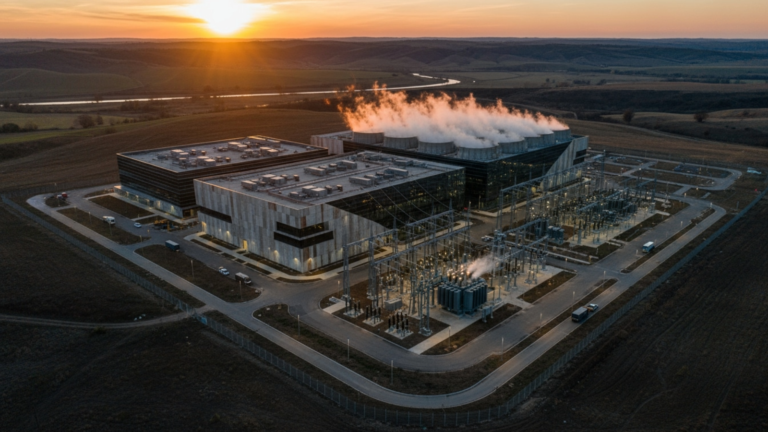
AI data centers look like ordinary warehouses, but inside they function like nonstop factories for computation, turning electricity into heat at a scale that forces tough local tradeoffs. In fast-growing clusters, they can strain power grids, push expensive upgrades, and intensify fights over who pays, while cooling demands raise new questions about water use in places already under stress. The debate is no longer abstract. It is about infrastructure, rates, reliability, and whether the AI boom gets built in a way that communities can actually live with.
-
The Myth of Trickle-Down Economics: Why the Next Dollar Doesn’t Reach the Middle Class
Cut taxes at the top, the argument goes, and the benefits will flow down through investment, jobs, and higher wages. Everybody wins. But the economy does not run on promises. It runs on what people do with the next dollar. That is what “marginal propensity to consume” really means. When a family living close to the edge gets an extra thousand dollars, it tends to become tires, groceries, a dentist appointment – in other words, it becomes a paycheck for another person. When a household that is already comfortable gets that same thousand, it is more likely to become savings. The money does not vanish. It just takes a route that does not have to pass through a local cash register.
-
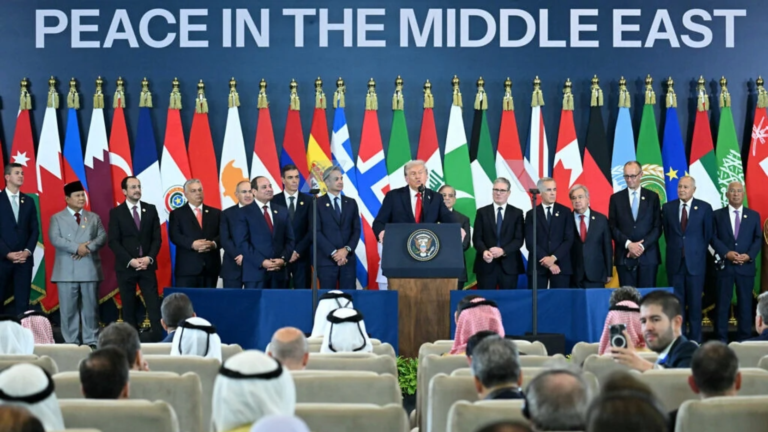
Trump’s “Board of Peace,” Explained
Trump’s proposed “Board of Peace,” first pitched as an oversight body for a Gaza ceasefire and reconstruction, is now being sold as something bigger: a standing forum that could arbitrate other global conflicts. The moment that reshaped the debate is a draft charter clause reported by major outlets, offering three-year terms for member states unless they pay $1 billion for permanent membership. Supporters call it a pragmatic way to fund and enforce fragile deals. Critics see a pay-to-join power structure that could sidestep UN norms and concentrate authority at the top.
-
Noncitizen Voting: Two Votes in New Jersey, and the Myth of a Stolen Election
Two Bergen County ballots. That’s what federal prosecutors say this case comes down to: two men accused of casting votes in the 2020 election while not U.S. citizens, then later denying it all. The allegations are serious, and the potential prison time is real. But in a country that counted more than 150 million presidential votes, cases like this are how a sliver of reality gives oxygen to the myth that 2020 was stolen.
-
Why Trump Keeps Coming Back to Greenland, and What It Could Mean
In early January 2026, a joke from Trump’s first term returned with teeth: the White House confirmed renewed discussions about “acquiring” Greenland, with officials refusing to rule out military force. Greenland is not just a giant slab of ice. It is a strategic hinge between North America and Europe, a hub for Arctic surveillance, and a long-term bet on critical minerals. But treating it like a property flips a security question into a sovereignty crisis. What Trump wants, what Greenlanders can decide, and what this fight could do to NATO and the rules-based order are now colliding in public.
-